
The Alchemy of Earth and Education: How Sustainable Models in Nature Schools Are Shaping Eco-Literate Futures
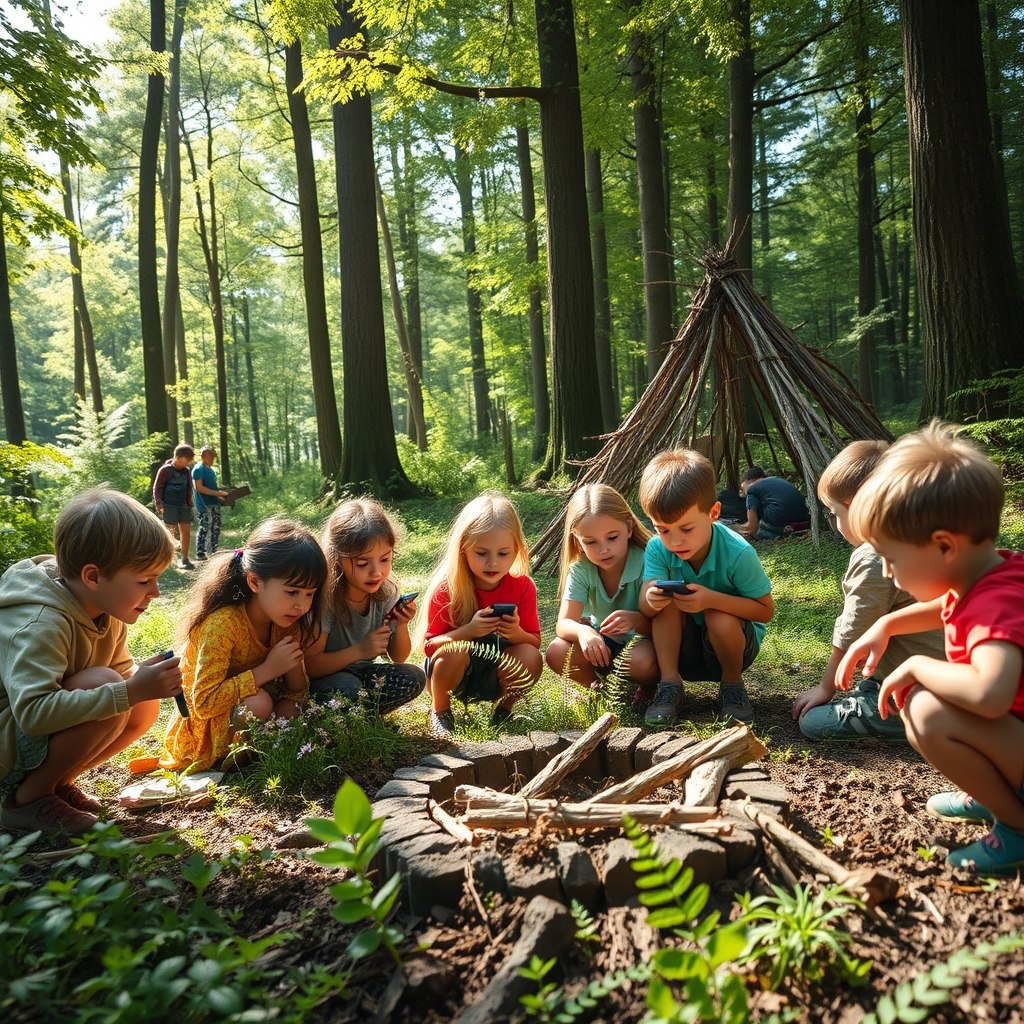
In an era where screens often replace streams and concrete frequently overshadows canopies, a quiet revolution is taking root in education. Nature schools, with their sustainable models and immersive methodologies, are redefining what it means to cultivate eco-literacy in young learners. These programs do more than teach children about the environment—they weave the natural world into the very fabric of learning, transforming how knowledge is acquired, processed, and applied. At the heart of this transformation lies a simple yet profound truth: the earth is not just a subject to study, but a living classroom where every leaf, stone, and breeze holds a lesson waiting to be discovered.
The Philosophy Behind Sustainable Education Models
Sustainable education models in nature schools are built on the principle that learning should be regenerative, not extractive. Unlike traditional educational frameworks that often prioritize standardized outcomes, these models emphasize interconnectedness—between disciplines, between humans and nature, and between individual growth and collective responsibility. The Forest School methodology, for instance, is rooted in the idea that children learn best when they are free to explore, experiment, and engage with their surroundings on their own terms. This approach fosters not only academic skills but also emotional resilience, creativity, and a deep-seated respect for the natural world.
Place-based learning takes this philosophy a step further by anchoring education in the local environment. Whether it’s a coastal community studying tide pools or an urban school transforming a vacant lot into a thriving garden, place-based learning connects students to the ecosystems they inhabit. This localized focus makes abstract concepts tangible, turning lessons about biodiversity, climate change, and sustainability into lived experiences rather than distant theories. The result is a generation of learners who see themselves as active participants in their environment, rather than passive observers.
From Theory to Practice: Eco-Literacy in Action
Eco-literacy development in nature schools is not confined to textbooks or occasional field trips. It is an ongoing, hands-on process that integrates environmental science, bushcraft, and conservation-focused learning into daily routines. For example, students might spend a morning identifying native plant species, followed by an afternoon learning how to build a shelter using only natural materials. These activities are not just about acquiring survival skills; they are about developing a holistic understanding of how ecosystems function and how human actions impact them.
Outdoor experiential education plays a crucial role in this process. By engaging in activities like wildlife observation, natural world exploration, and outdoor sensory play, children develop a keen awareness of their surroundings. They learn to notice the subtle changes in seasons, the behaviors of local wildlife, and the delicate balance that sustains life. This sensory-rich learning environment stimulates curiosity and fosters a sense of wonder, which are essential components of eco-literacy. When children are encouraged to ask questions, make observations, and draw connections, they begin to see the world through a lens of interdependence and responsibility.
The Role of Bushcraft and Wilderness Skills
Bushcraft for kids is more than just a trendy addition to the curriculum—it is a powerful tool for building confidence, problem-solving skills, and environmental stewardship. Learning to start a fire without matches, navigate using natural landmarks, or purify water from a stream teaches children self-reliance while also instilling a deep appreciation for the resources nature provides. These skills are not taught in isolation; they are integrated into broader lessons about conservation, sustainability, and the ethical use of natural resources.
Wilderness survival skills also serve as a bridge between traditional knowledge and modern environmental challenges. For instance, a lesson on tracking might lead to a discussion about habitat loss, while a session on foraging could spark conversations about food security and sustainable agriculture. By framing these skills within the context of real-world issues, nature schools help students understand that eco-literacy is not just about knowing how to live in nature, but about how to live with nature in a way that ensures its preservation for future generations.
Holistic Outdoor Teaching: Nurturing Mind, Body, and Spirit
One of the most compelling aspects of nature-based education is its holistic approach. Unlike conventional classrooms that often prioritize cognitive development, nature schools recognize that learning is a multi-sensory, embodied experience. Outdoor sensory play, for example, engages children’s senses in ways that indoor environments cannot. The feel of damp soil between fingers, the sound of rustling leaves, the scent of pine needles—these experiences create lasting memories and forge emotional connections to the natural world.
Nature-based therapy is another dimension of this holistic approach. Research has shown that time spent in nature reduces stress, improves concentration, and enhances emotional well-being. For children who struggle with anxiety, ADHD, or other challenges, the calming effects of a forest or meadow can be transformative. In nature schools, these therapeutic benefits are not an afterthought but a core component of the curriculum. Activities like mindfulness exercises in a garden, storytelling under a tree, or simply sitting quietly to observe wildlife are woven into the daily rhythm, helping students develop a sense of inner calm and outward awareness.
Green School Initiatives: Building a Sustainable Future
Green school initiatives are taking the principles of nature-based education and scaling them to create systemic change. These initiatives go beyond individual classrooms to transform entire schools into models of sustainability. From energy-efficient buildings powered by renewable energy to zero-waste cafeterias and school gardens that supply fresh produce, green schools demonstrate what it means to live in harmony with the environment. They also serve as living laboratories where students can see sustainability in action and contribute to real-world solutions.
Conservation-focused learning is a key component of these initiatives. Students might participate in citizen science projects, such as monitoring local water quality or tracking bird migrations, which provide valuable data for researchers while also teaching students about the importance of scientific inquiry and environmental stewardship. These projects foster a sense of agency, showing students that their actions—no matter how small—can make a difference. Whether it’s organizing a community clean-up, advocating for policy changes, or simply sharing their knowledge with others, eco-literate students become ambassadors for the planet.
The Ripple Effect of Eco-Literacy
The impact of nature schools extends far beyond the individual student. When children develop eco-literacy, they bring those values home, influencing their families, friends, and communities. Parents might find themselves adopting more sustainable practices, such as composting or reducing plastic use, because their children have learned about these issues in school. Communities might rally around conservation efforts, inspired by the passion and knowledge of young eco-literate citizens. In this way, nature schools become catalysts for broader cultural shifts toward sustainability and environmental responsibility.
Moreover, the skills and mindsets cultivated in nature schools prepare students for the challenges of the 21st century. In a world grappling with climate change, biodiversity loss, and social inequality, eco-literacy is not just a nice-to-have—it is a necessity. The ability to think critically about environmental issues, collaborate with others to find solutions, and take meaningful action is what will define the next generation of leaders. Nature schools are equipping students with these tools, ensuring that they are not just passive recipients of knowledge but active agents of change.
The alchemy of earth and education lies in this transformative power—the ability to turn curiosity into understanding, understanding into action, and action into a legacy of stewardship. As more schools embrace sustainable models and nature-based learning, the boundaries between classroom and wilderness blur, giving rise to a new paradigm of education. One where the lessons of the earth are not just heard but lived, and where every child grows up knowing that they are not separate from nature, but a vital part of it. In this way, the seeds planted in nature schools today will blossom into a future where eco-literacy is not just a subject, but a way of life.



