
The Learning Metamorphosis: How AI and Gamification Are Redesigning Education for the Digital Learner
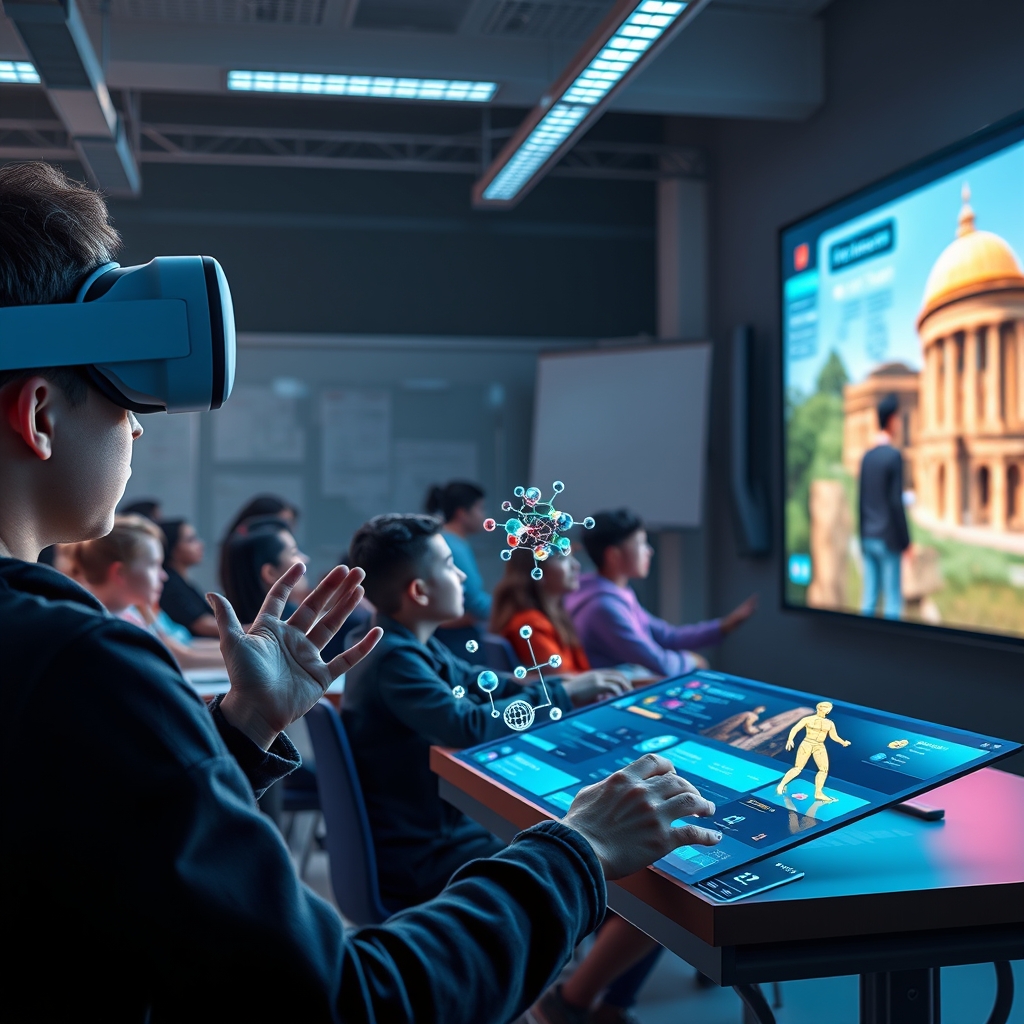
The digital age has ushered in a transformative era for education, where traditional classrooms are no longer the sole sanctuaries of learning. The fusion of artificial intelligence (AI) and gamification is not just enhancing education—it is fundamentally reshaping it, creating dynamic, engaging, and highly personalized learning experiences that cater to the unique needs of every learner. This metamorphosis is not a distant vision but a present reality, where technology and pedagogy intertwine to unlock unprecedented potential.
The Gamification Revolution: Turning Learning into Play
Gamification, the integration of game-like elements into non-game contexts, has emerged as a powerful tool in modern education. By incorporating mechanics such as points, badges, leaderboards, and challenges, educators can transform mundane tasks into engaging, motivating experiences. The psychology behind gamification is rooted in the human desire for achievement, competition, and recognition. When learners earn rewards for completing tasks or mastering skills, their intrinsic motivation soars, leading to deeper engagement and retention.
For instance, platforms like Duolingo and Kahoot! have revolutionized language learning and classroom quizzes by turning them into interactive games. These platforms leverage AI to adapt difficulty levels in real-time, ensuring that learners are neither bored by simplicity nor overwhelmed by complexity. The result is a learning experience that feels less like a chore and more like an adventure, where every milestone achieved is a cause for celebration.
AI-Powered Personalization: The Heart of Modern Learning
At the core of this educational metamorphosis is AI-powered personalization. Unlike the one-size-fits-all approach of traditional education, AI-driven systems analyze vast amounts of data to tailor learning experiences to individual strengths, weaknesses, and preferences. Adaptive learning software, such as DreamBox or Knewton, uses algorithms to adjust content delivery in real-time, ensuring that each learner receives the right level of challenge and support.
This personalization extends beyond academic subjects. AI can also adapt to a learner’s emotional state, using sentiment analysis to detect frustration or disengagement and respond with encouragement or alternative approaches. For example, if a student struggles with a math concept, the system might switch to a visual or interactive explanation, or even suggest a short break to recharge. This level of empathy and adaptability was once the domain of human tutors, but AI is now making it scalable and accessible to millions.
The Rise of Microlearning and Mobile Apps
In a world where attention spans are shrinking and time is a precious commodity, microlearning has emerged as a game-changer. This approach breaks down complex topics into bite-sized, easily digestible modules that can be completed in minutes. Mobile learning apps, such as Coursera, Udemy, and LinkedIn Learning, have capitalized on this trend, offering on-the-go access to courses and certifications that fit seamlessly into busy schedules.
AI enhances microlearning by curating personalized learning paths based on a user’s goals, progress, and preferences. For example, a professional looking to upskill in data science might receive a curated sequence of short courses, quizzes, and hands-on projects tailored to their existing knowledge. This flexibility ensures that learning is not just efficient but also deeply relevant to the learner’s aspirations.
Virtual and Augmented Reality: The New Frontiers of Immersive Learning
While gamification and AI are transforming the way we learn, virtual reality (VR) and augmented reality (AR) are redefining where and how we learn. VR classrooms transport students to historical events, distant planets, or microscopic worlds, creating immersive experiences that textbooks could never replicate. AR, on the other hand, overlays digital information onto the physical world, enhancing real-world learning with interactive elements. For example, medical students can use AR to visualize human anatomy in 3D, while engineers can simulate complex machinery in real-time.
These technologies are not just novelties; they are powerful tools for experiential learning. By engaging multiple senses, VR and AR create memorable, impactful experiences that deepen understanding and retention. Companies like zSpace and Labster are already leveraging these technologies to provide hands-on training in fields as diverse as healthcare, engineering, and environmental science.
The Future of Credentials: Digital Badges and Micro-Credentials
As the nature of learning evolves, so too does the way we recognize and validate skills. Traditional degrees and certificates are no longer the only markers of expertise. Digital badges and micro-credentials are gaining traction as flexible, stackable alternatives that reflect a learner’s specific competencies. Platforms like Credly and Badgr allow individuals to earn and display badges for skills ranging from coding to project management, creating a dynamic, verifiable record of their achievements.
AI plays a crucial role in this ecosystem by validating the authenticity of these credentials and matching them to job market demands. For employers, this means access to a more transparent and granular view of a candidate’s skills. For learners, it means the ability to showcase their expertise in a way that is both portable and adaptable to the ever-changing demands of the workforce.
Corporate Training in the Digital Age
The impact of these innovations extends far beyond traditional education. In the corporate world, AI-powered learning platforms and gamified training programs are revolutionizing employee development. Companies like Walmart and IBM have adopted VR training to simulate real-world scenarios, from customer service interactions to emergency response drills. These immersive experiences not only improve skill acquisition but also reduce the risks and costs associated with on-the-job training.
Microlearning and mobile apps are also transforming corporate training by making it more accessible and engaging. Employees can complete short, focused modules during breaks or commutes, ensuring that learning fits into their workflow rather than disrupting it. AI-driven analytics provide managers with insights into employee progress, identifying skill gaps and recommending targeted interventions to ensure continuous growth.
The fusion of AI and gamification is not merely a trend but a fundamental shift in how we approach education and skill development. It dismantles the barriers of time, location, and individual differences, creating a learning ecosystem that is as dynamic and diverse as the learners it serves. As these technologies continue to evolve, they promise to unlock even greater potential, making learning not just a phase of life but a lifelong journey of discovery and growth. The classroom of the future is not a place but a mindset—one that embraces innovation, adaptability, and the endless possibilities of the digital age.



