
Rooted in Discovery: How Forest School Methodology Cultivates Lifelong Eco-Literacy
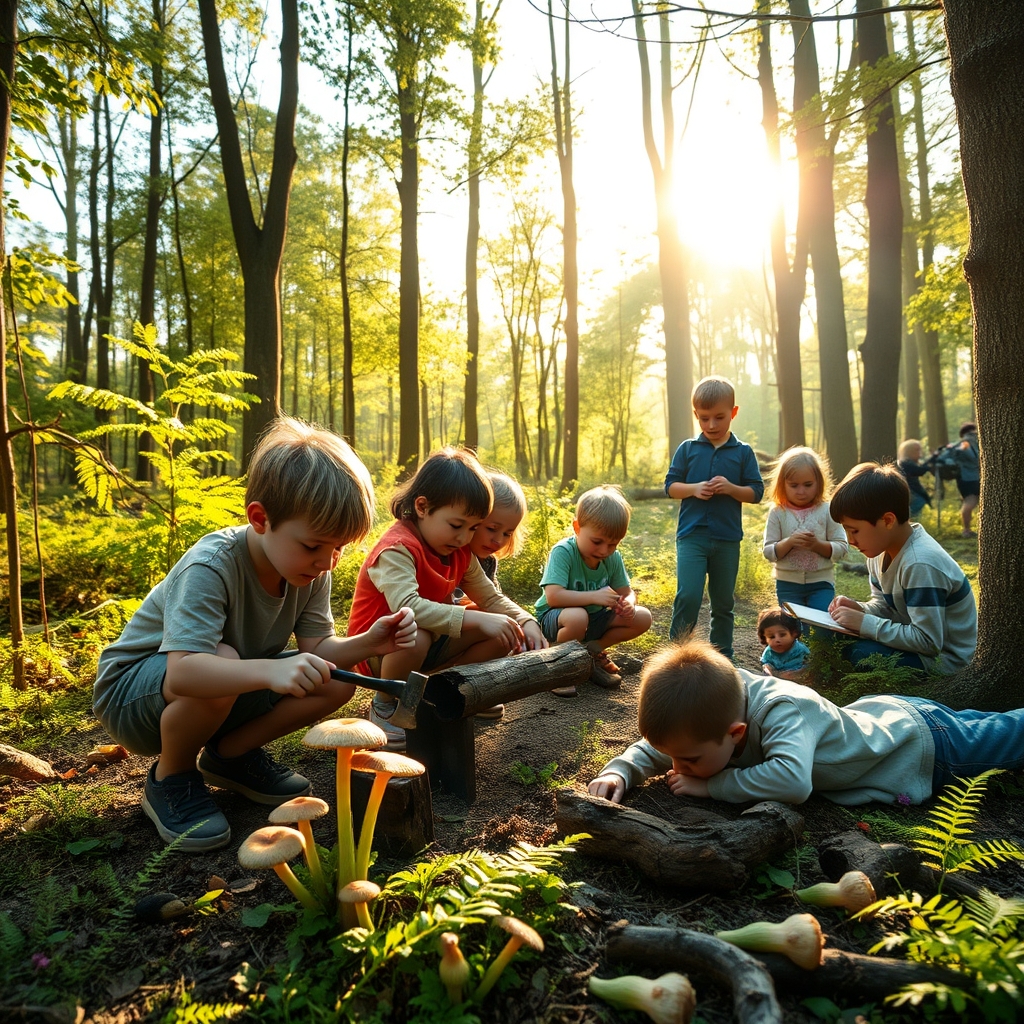
In an era where screens dominate attention and concrete jungles replace natural landscapes, a quiet revolution is taking root in education. Forest school methodology, an approach that immerses children in outdoor environments as the primary classroom, is gaining momentum worldwide. This isn’t merely about taking traditional lessons outside—it’s a fundamental shift in how we perceive learning, growth, and our relationship with the natural world.
The Philosophy Behind Forest Schools
At its core, forest school methodology is built on the belief that children learn best through direct experience. Originating in Scandinavia during the 1950s, this approach was designed to foster independence, creativity, and a deep connection to nature. Unlike conventional education models that prioritize standardized outcomes, forest schools emphasize process over product, curiosity over compliance, and resilience over perfection.
The methodology is grounded in six key principles: regular sessions in natural spaces, learner-centered approaches, holistic development, risk-taking within safe boundaries, qualified practitioners, and sustained engagement with the same environment. These principles create a framework where children can explore, experiment, and engage with their surroundings without the constraints of four walls or rigid schedules.
From Observation to Eco-Literacy
One of the most profound outcomes of forest school programs is the development of eco-literacy. This goes beyond memorizing facts about ecosystems or reciting the water cycle. True eco-literacy emerges when children begin to understand their place within the natural world—how their actions ripple through ecosystems, how seasons dictate rhythms of life, and how every organism, no matter how small, plays a vital role.
In a forest school setting, eco-literacy is cultivated through hands-on nature study. Children might spend an entire morning observing how ants navigate their trails, or they might track the growth of a sapling over months, noting how its leaves change with the seasons. These experiences are not passive; they require patience, keen observation, and critical thinking. Over time, children begin to see patterns, ask deeper questions, and develop a sense of stewardship for the environment.
Risk, Resilience, and the Art of Bushcraft
Critics of forest schools often raise concerns about safety, but proponents argue that carefully managed risk is essential for growth. Climbing trees, using tools, and navigating uneven terrain are not just activities—they are opportunities for children to assess challenges, make decisions, and build confidence in their abilities. This is where wilderness survival skills and bushcraft for kids come into play.
Bushcraft— the art of thriving in the wild using natural resources—teaches children practical skills like fire-building, shelter construction, and plant identification. These skills are not taught in isolation; they are woven into the fabric of daily exploration. A child who learns to identify edible plants while foraging for lunch is not just gaining survival knowledge—they are developing a relationship with the land that transcends utility. They begin to see the forest not as a backdrop for adventure, but as a living, breathing entity that sustains and teaches them.
The Role of Sensory Play in Learning
Outdoor sensory play is another cornerstone of forest school methodology. Unlike structured playgrounds with plastic equipment, natural environments offer an ever-changing landscape of textures, sounds, and smells. The crunch of leaves underfoot, the scent of damp earth after rain, the rough bark of a tree—these sensory experiences engage children in ways that indoor environments simply cannot replicate.
Sensory play is particularly crucial for younger children, as it supports cognitive development, fine motor skills, and emotional regulation. In a forest kindergarten program, a child might spend an hour digging in the mud, creating imaginary worlds with sticks and stones, or simply lying on the grass watching clouds drift by. These unstructured moments are not



