
Rewilding Education: How Nature-Based Learning Shapes Young Minds for a Sustainable Future
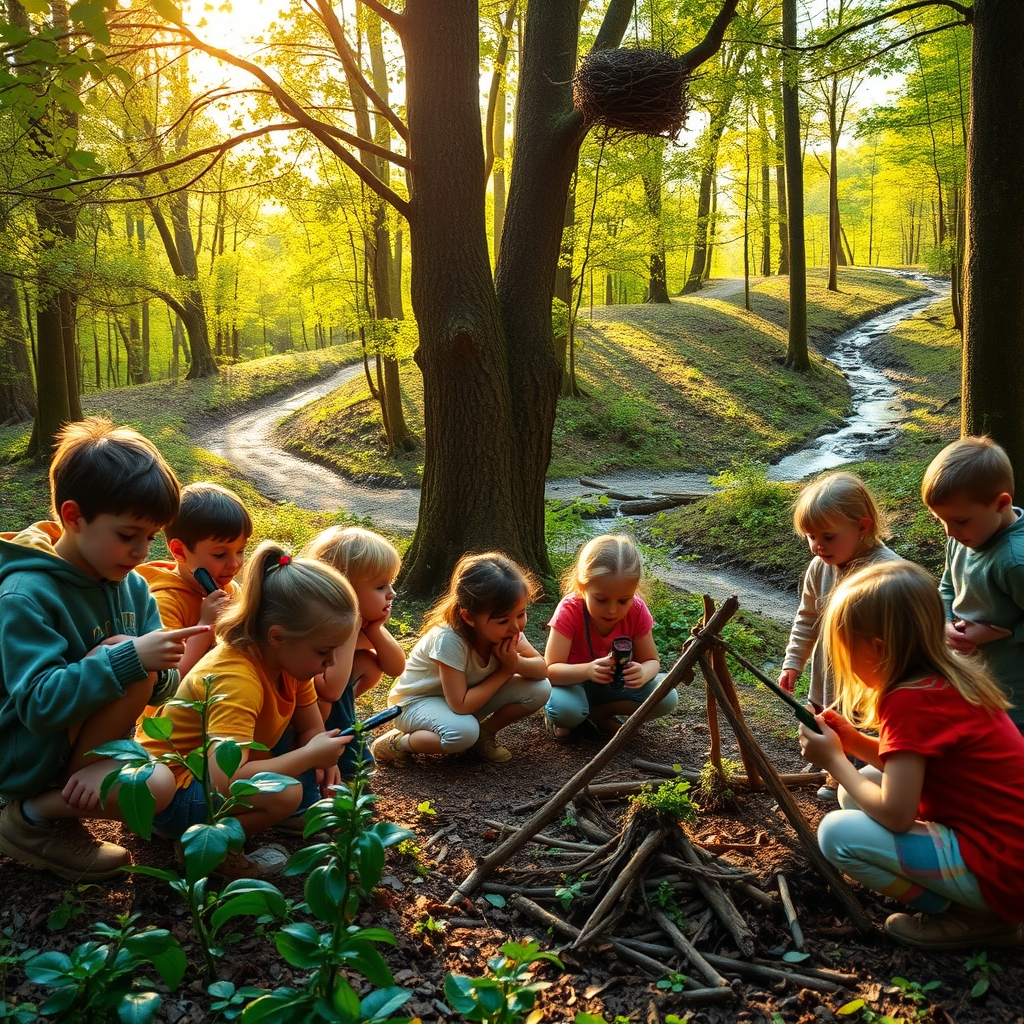
In an era dominated by screens and structured indoor environments, a quiet revolution is taking root—one that reconnects children with the natural world through immersive, hands-on learning. Nature school curricula and forest kindergarten programs are not just educational trends; they represent a fundamental shift in how we nurture curiosity, resilience, and ecological awareness in young learners. By stepping outside the traditional classroom, educators are discovering that the most powerful lessons often unfold beneath the canopy of trees, along the banks of streams, or in the heart of a bustling meadow.
The Philosophy Behind Forest School Methodology
At the core of forest school methodology lies a simple yet profound belief: children thrive when they are given the freedom to explore, discover, and engage with their environment on their own terms. Unlike conventional education models that prioritize standardized testing and rigid lesson plans, forest schools emphasize experiential learning, where the natural world becomes both the classroom and the teacher. This approach is rooted in the idea that direct interaction with nature fosters not only academic growth but also emotional and social development.
Forest kindergarten programs, for example, often operate entirely outdoors, regardless of weather conditions. Children spend their days climbing trees, building shelters, identifying plants, and observing wildlife, all under the guidance of trained educators who facilitate rather than direct. The absence of traditional desks and walls encourages a sense of wonder and independence, allowing students to develop problem-solving skills and self-confidence in ways that indoor settings simply cannot replicate.
Place-Based Learning: Anchoring Education in the Local Environment
Place-based learning takes the principles of outdoor experiential education a step further by grounding the curriculum in the unique ecological, cultural, and historical context of a community. This model transforms nearby forests, wetlands, urban parks, and even school gardens into living laboratories where students can apply academic concepts to real-world scenarios. For instance, a math lesson might involve calculating the growth rate of a tree, while a history class could explore the indigenous traditions tied to a local river.
By centering education around the places students inhabit, this approach cultivates a deep sense of connection and stewardship. Children begin to see themselves as active participants in their environment rather than passive observers, which is a critical mindset for fostering long-term environmental responsibility. Moreover, place-based learning often incorporates community partnerships, such as collaborations with local farmers, conservationists, or artists, which enrich the educational experience and strengthen ties between schools and their surrounding areas.
Developing Eco-Literacy Through Hands-On Nature Study
Eco-literacy—the ability to understand the principles of ecology and apply them to daily life—is a cornerstone of sustainable education models. Unlike traditional environmental science classrooms, which may rely heavily on textbooks and lectures, hands-on nature study immerses students in the complexities of ecosystems through direct observation and experimentation. Whether it’s tracking animal footprints, testing water quality in a nearby pond, or participating in a citizen science project, these activities make abstract concepts tangible and memorable.
One of the most effective ways to develop eco-literacy is through wildlife observation skills. Equipped with binoculars, field guides, and journals, students learn to identify birds, insects, and other creatures while documenting their behaviors and habitats. These exercises not only sharpen scientific skills like data collection and analysis but also instill a sense of empathy and respect for the natural world. Over time, students begin to recognize the interconnectedness of all living things, a realization that is essential for nurturing future conservationists and environmental advocates.
Bushcraft and Wilderness Survival: Teaching Resilience and Resourcefulness
For many children, the idea of spending a night in the wilderness might seem daunting, but bushcraft for kids is about more than just survival—it’s about building resilience, creativity, and a profound appreciation for the resources nature provides. Activities like fire-making, shelter-building, and foraging teach practical skills while also fostering a sense of self-reliance and adaptability. These experiences are particularly valuable in an age where many children have limited opportunities to engage in unstructured outdoor play.
Adventure education courses often incorporate bushcraft as a way to challenge students physically and mentally. For example, a group of students might be tasked with navigating a forested area using only a map and compass, or they might learn to identify edible plants and purify water from a stream. These activities not only teach valuable life skills but also create a sense of accomplishment and confidence that carries over into other areas of their lives. Moreover, they provide a counterbalance to the instant gratification of digital entertainment, encouraging patience and perseverance.
Sustainable Education Models: Beyond the Classroom Walls
Green school initiatives are redefining what it means to create a sustainable learning environment. These models extend beyond individual lessons or outdoor activities to encompass the entire school culture, from energy-efficient buildings and waste reduction programs to school gardens and renewable energy projects. For instance, some schools have installed solar panels, composting systems, or rainwater harvesting setups, turning their campuses into living examples of sustainability in action.
One of the most impactful aspects of these initiatives is their ability to engage students in meaningful, real-world problem-solving. Rather than learning about climate change in a textbook, students might participate in a school-wide audit to reduce energy consumption or design a campaign to promote recycling in their community. These projects not only deepen their understanding of environmental issues but also empower them to take action, fostering a sense of agency and hope for the future.
The Therapeutic Power of Nature-Based Learning
Beyond its academic and environmental benefits, nature-based therapy is gaining recognition for its ability to support mental and emotional well-being. Outdoor sensory play, for example, has been shown to reduce stress, improve focus, and enhance emotional regulation in children. The natural world provides a calming, non-judgmental space where students can explore their emotions, build social skills, and develop a sense of belonging.
Holistic outdoor teaching approaches often incorporate mindfulness practices, such as guided nature walks or reflective journaling, to help students connect with their surroundings on a deeper level. These activities can be particularly beneficial for children who struggle with anxiety, ADHD, or other challenges, as they provide a low-pressure environment for self-expression and growth. By integrating nature-based therapy into the curriculum, educators can create a more inclusive and supportive learning environment for all students.
As the world grapples with pressing environmental challenges, the need for education that fosters ecological awareness and resilience has never been greater. Nature school curricula and outdoor experiential education offer a pathway to cultivate not only knowledgeable students but also compassionate, capable, and environmentally literate citizens. By embracing the lessons of the natural world, we can inspire the next generation to see themselves as stewards of the planet, equipped with the skills and mindset to create a more sustainable future. The seeds we plant today—in the form of curiosity, connection, and care—will grow into the forests of tomorrow, shaping a world where both people and nature can thrive.



