
Unlocking Potential: How Flexible Curriculum and Self-Paced Education Are Shaping the Future of Learning
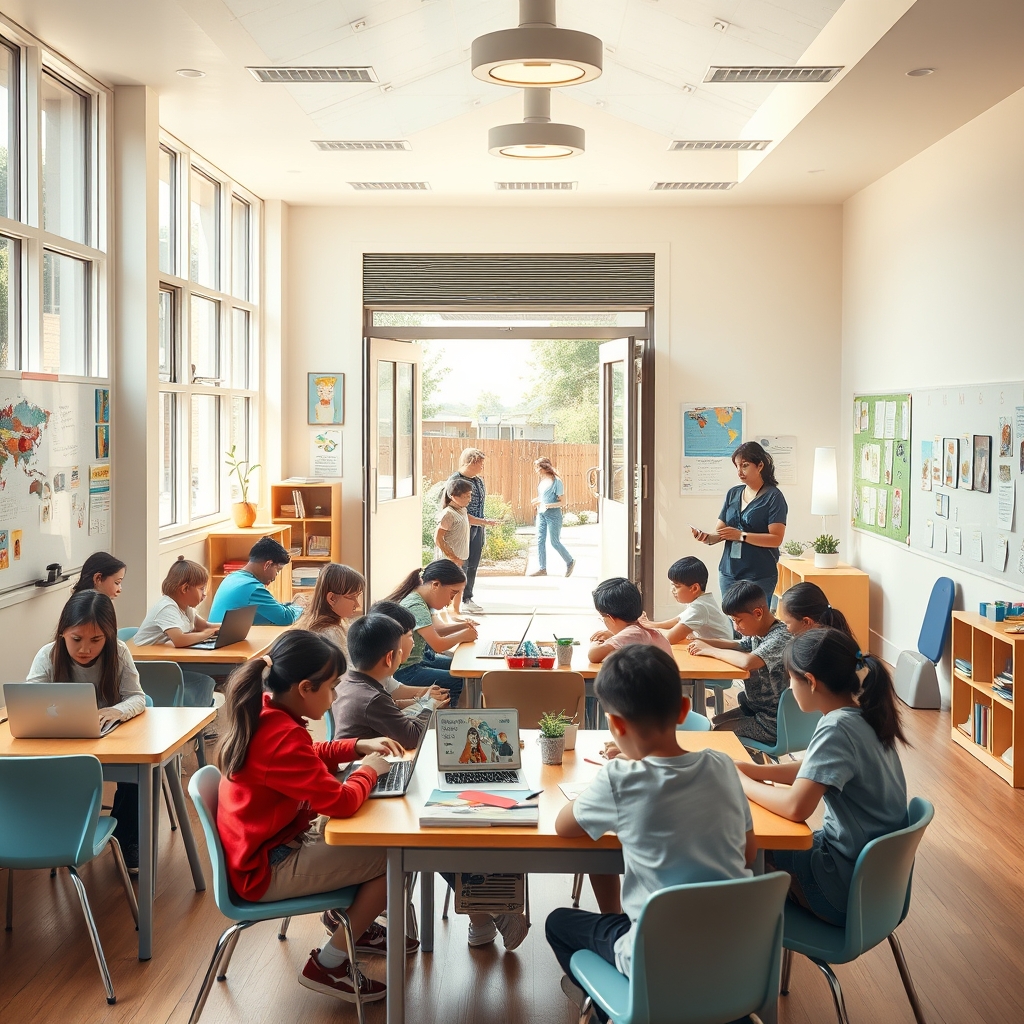
The traditional model of education, with its rigid schedules and one-size-fits-all approach, has long been the backbone of learning institutions worldwide. However, as society evolves and the demands of the modern workforce shift, so too must the methods by which we educate. Enter the era of open schools and flexible curriculum—a transformative approach that prioritizes student-centered learning and independent study programs. These models are not just alternatives; they are becoming essential frameworks for fostering innovation, creativity, and lifelong success.
The Philosophy Behind Open Schools
At the heart of open schools lies a simple yet revolutionary idea: education should adapt to the learner, not the other way around. Unlike conventional schooling, which often enforces a uniform pace and structure, open schools embrace non-traditional education by offering self-paced education and personalized study plans. This philosophy is rooted in the belief that every student possesses unique strengths, interests, and learning styles. By allowing learners to progress at their own speed and explore subjects that resonate with them, open schools create an environment where curiosity thrives and engagement soars.
One of the most compelling aspects of open schools is their commitment to democratic schooling. In these settings, students often have a voice in shaping their educational journey, from selecting courses to participating in decision-making processes. This autonomy not only fosters a sense of ownership over one’s learning but also cultivates essential skills like critical thinking, problem-solving, and self-advocacy—qualities that are invaluable in both academic and real-world contexts.
Designing Flexible Curricula for Diverse Learners
A flexible curriculum is the cornerstone of open schools, designed to accommodate the diverse needs of students. Unlike traditional curricula that follow a linear, standardized path, flexible curricula are dynamic and adaptive. They incorporate a mix of competency-based progression, where students advance upon mastering specific skills or knowledge, and experiential learning projects, which emphasize hands-on, real-world applications of concepts.
For example, a student interested in environmental science might engage in a community-based education project, such as designing a local sustainability initiative. This approach not only deepens their understanding of the subject but also connects learning to tangible outcomes. Similarly, hybrid learning spaces blend online and in-person instruction, providing students with the flexibility to access resources and complete assignments on their own terms. This adaptability is particularly beneficial for learners who may face barriers in traditional settings, such as those with disabilities, working students, or individuals pursuing lifelong learning skills outside of formal education.
The Role of Educators in Adaptive Teaching
In open schools, educators take on a new role—not as gatekeepers of knowledge, but as facilitators and guides. Adaptive teaching strategies are key to this shift, as teachers must tailor their approaches to meet the individual needs of each student. This might involve using open educational resources (OER) to supplement learning, encouraging autonomous student research, or fostering collaborative group work to build teamwork and communication skills.
Educators in these settings also prioritize holistic student development, recognizing that academic success is just one facet of a learner’s growth. Social-emotional learning, creativity, and physical well-being are equally important, and open schools often integrate these elements into their curricula. For instance, a school might offer mindfulness sessions alongside math lessons or incorporate art and music into science projects, ensuring that students develop into well-rounded individuals.
Inclusive Classroom Design: Breaking Down Barriers
An inclusive classroom design is another hallmark of open schools, where the physical and emotional environment is crafted to support all learners. This goes beyond accessibility features like ramps or assistive technologies; it encompasses a culture of respect, empathy, and belonging. Classrooms are often designed to be flexible, with movable furniture, quiet zones, and collaborative spaces that cater to different learning preferences. This adaptability ensures that students with varying needs—whether cognitive, physical, or emotional—can thrive.
Moreover, open schools often embrace community-based education, where learning extends beyond the classroom walls. Partnerships with local organizations, businesses, and experts provide students with opportunities to apply their knowledge in real-world settings. Whether through internships, mentorship programs, or service-learning projects, these experiences bridge the gap between education and the broader community, making learning more relevant and impactful.
The Future of Education: A Shift Toward Lifelong Learning
As the world continues to change at an unprecedented pace, the ability to adapt and learn continuously has never been more critical. Open schools and flexible curricula are not just preparing students for the jobs of today; they are equipping them with the skills and mindset needed to navigate an uncertain future. By prioritizing self-paced education, personalized study plans, and experiential learning, these models foster a love of learning that extends far beyond the classroom.
The success of open schools also highlights a broader cultural shift toward valuing education as a dynamic, lifelong journey rather than a finite process. In this new paradigm, learners are empowered to take control of their education, explore their passions, and develop the resilience and adaptability needed to thrive in an ever-evolving world. The question is no longer whether traditional education can keep up with the times, but how quickly we can embrace these innovative models to unlock the full potential of every learner.
As more institutions adopt these principles, the boundaries of what education can achieve will continue to expand. The future of learning is not confined to textbooks or standardized tests; it is a vibrant, ever-changing landscape where curiosity, creativity, and collaboration take center stage. And in this landscape, every student has the opportunity to shine.



