
The Power of Play: How Gamification and Interactive Ebooks Are Reinventing Modern Learning
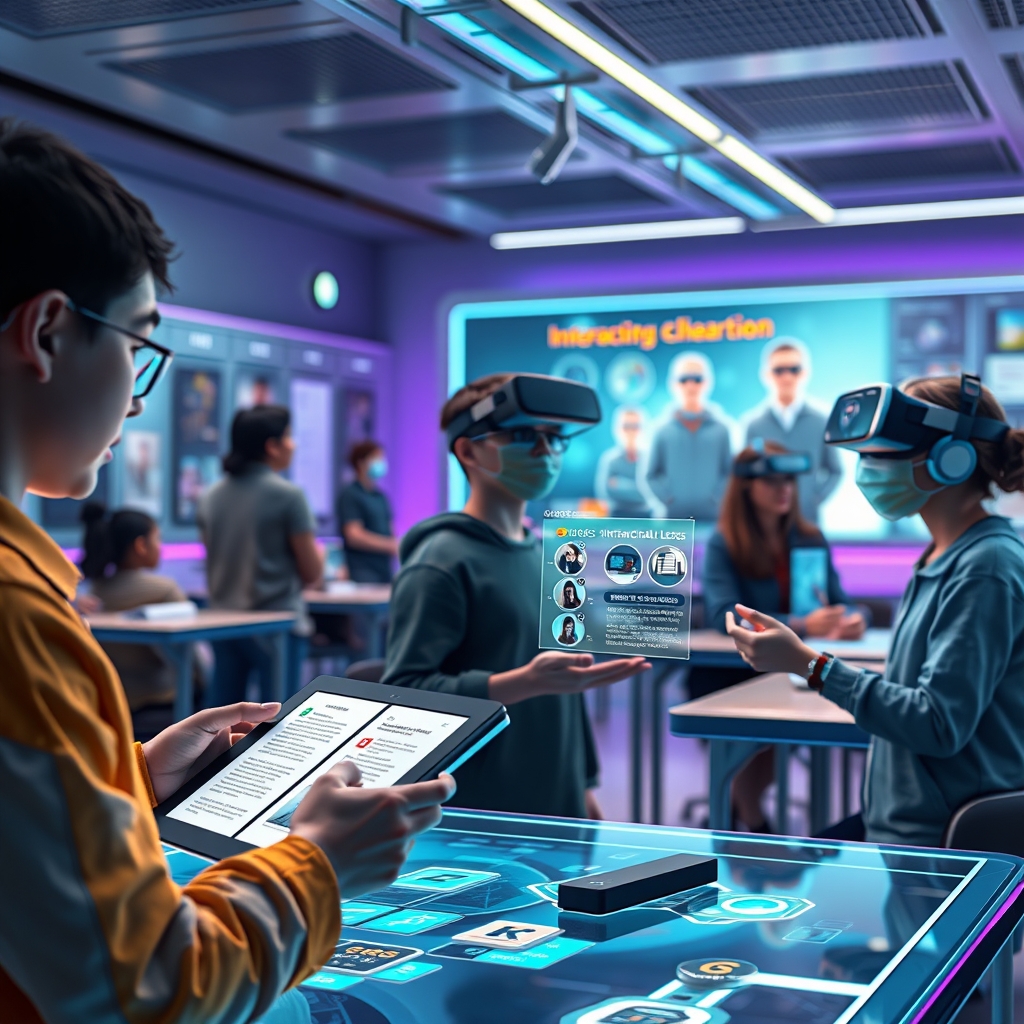
In an era where attention spans are shrinking and traditional educational models struggle to engage, a new wave of innovation is transforming how we learn. At the heart of this shift lies the fusion of technology and psychology, where gamification and interactive ebooks are not just enhancing education but redefining it entirely. These tools are breaking the monotony of conventional learning, making knowledge acquisition an immersive, dynamic, and deeply personal experience.
The Psychology Behind Gamification in Learning
Gamification—the integration of game-like elements into non-game contexts—has emerged as a powerful strategy to boost motivation and retention. At its core, gamification leverages the same psychological triggers that make games addictive: rewards, progress tracking, competition, and instant feedback. When applied to learning, these elements create an environment where learners are not just passive recipients of information but active participants in their educational journey.
For instance, platforms like Duolingo and Khan Academy use streaks, badges, and leaderboards to encourage consistent engagement. These features tap into the brain’s reward system, releasing dopamine each time a learner completes a task or achieves a milestone. The result? A 40% increase in retention rates, according to a study by the University of Colorado, as learners are more likely to revisit and reinforce what they’ve learned when the process feels rewarding.
From Passive Reading to Active Engagement: The Rise of Interactive Ebooks
While gamification addresses the motivational aspect of learning, interactive ebooks are revolutionizing the way content is consumed. Gone are the days of static text and images; today’s ebooks are dynamic, multimedia-rich experiences that cater to diverse learning styles. Features like embedded videos, audio clips, quizzes, and interactive diagrams transform reading into an engaging, multisensory activity.
Take, for example, the interactive ebooks used in medical education. Instead of relying solely on textbooks, students can now explore 3D anatomical models, simulate surgical procedures, and test their knowledge through interactive case studies. This hands-on approach not only deepens understanding but also bridges the gap between theory and practice. A report by McGraw-Hill Education found that students using interactive ebooks scored 20% higher on assessments compared to those using traditional textbooks, highlighting the effectiveness of this medium.
Corporate Training: Where Gamification Meets Real-World Skills
The impact of gamification and interactive learning isn’t limited to academic settings. In the corporate world, these tools are reshaping training programs, making them more engaging and effective. Companies like Deloitte and IBM have adopted gamified training platforms to teach everything from leadership skills to cybersecurity. By turning training modules into interactive challenges, employees are more likely to retain information and apply it in real-world scenarios.
For example, IBM’s Your Learning platform uses gamification to encourage employees to complete training modules. Employees earn points, badges, and even virtual currency, which can be redeemed for real-world rewards. This approach has led to a 50% increase in course completion rates, proving that gamification isn’t just a gimmick—it’s a game-changer for corporate learning.
The Role of Microlearning and Digital Badges
As gamification and interactive ebooks gain traction, they are also paving the way for microlearning—bite-sized, focused learning modules that can be completed in minutes. This approach aligns perfectly with the fast-paced nature of modern life, where learners often juggle multiple responsibilities. Microlearning courses, often paired with digital badges, allow individuals to acquire new skills incrementally, without the pressure of lengthy commitments.
Digital badges, in particular, are becoming a valuable currency in the professional world. Unlike traditional degrees, which can take years to earn, digital badges provide tangible proof of specific skills or competencies. Platforms like Credly and Mozilla’s Open Badges enable learners to showcase their achievements on LinkedIn, resumes, and portfolios, making them more attractive to employers. This shift toward skill-based certifications is democratizing education, allowing anyone to upskill or reskill at their own pace.
The Future of Learning: Blending Technology and Human Connection
While gamification and interactive ebooks are powerful tools, they are not a panacea. The most effective learning experiences strike a balance between technology and human connection. Hybrid learning models, which combine online and in-person instruction, are emerging as the gold standard for education and corporate training. These models leverage the best of both worlds: the flexibility and personalization of digital tools, and the collaboration and mentorship of traditional classrooms.
For example, universities like Harvard and MIT have adopted blended learning solutions for their online degree programs. Students engage with interactive ebooks and gamified modules at their own pace, while also participating in live virtual classrooms and discussion forums. This approach ensures that learners benefit from both the convenience of digital tools and the depth of human interaction.
As we look to the future, one thing is clear: the line between learning and play is blurring. Gamification and interactive ebooks are not just trends—they are the building blocks of a new educational paradigm. By making learning engaging, accessible, and personalized, these tools are empowering individuals to take control of their educational journeys. Whether in classrooms, corporate training programs, or lifelong learning initiatives, the fusion of technology and creativity is unlocking potential in ways we’ve only begun to imagine. The question is no longer whether we can adapt to this new era of learning, but how quickly we can embrace it to shape a smarter, more skilled future.



