
Earth as the Classroom: How Nature School Curricula Ignite a Lifelong Passion for the Wild
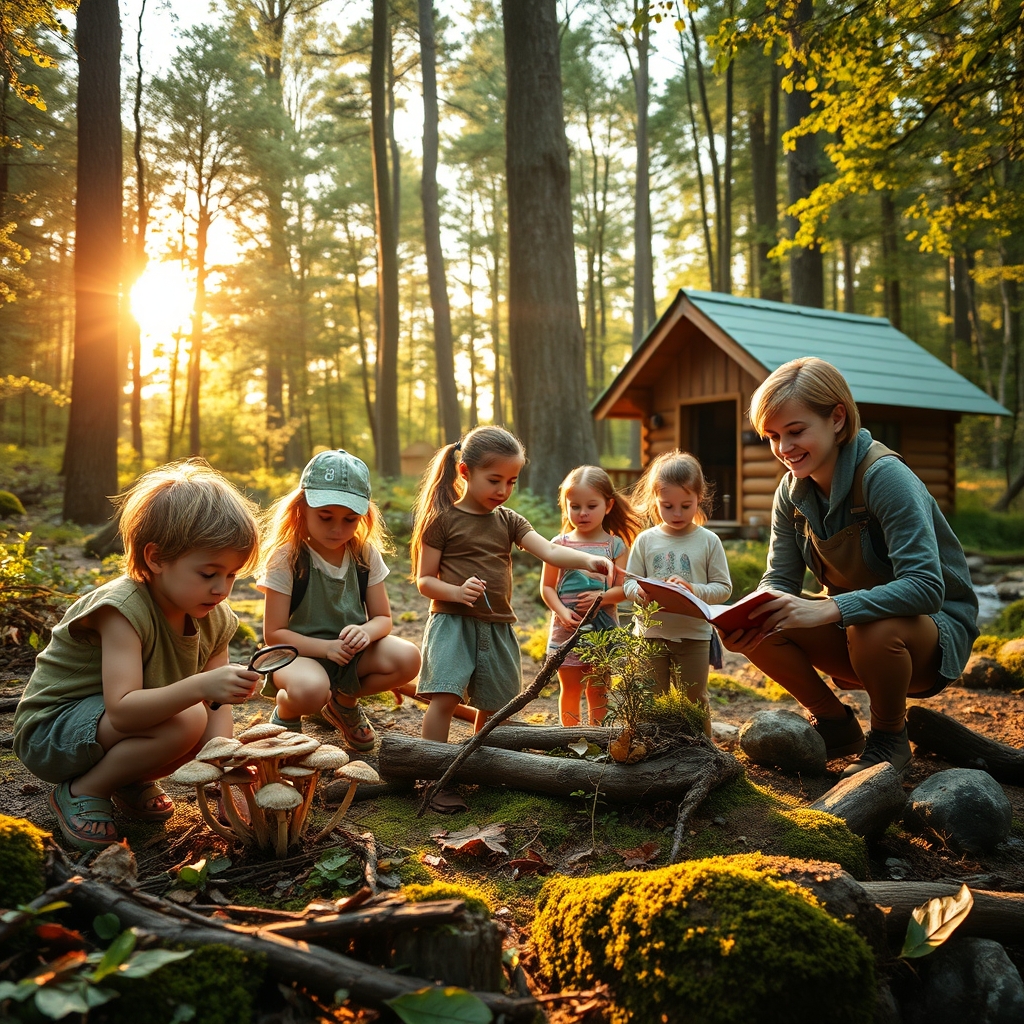
In a world increasingly dominated by screens and structured indoor environments, the call of the wild grows louder for educators seeking to reconnect children with the natural world. Nature school curricula, rooted in the principles of outdoor experiential education, offer a transformative approach to learning—one where the earth itself becomes the teacher, and curiosity is the compass. These programs, often nestled in forests, meadows, or along riverbanks, are not just about teaching children to identify plants or track animals; they are about fostering a deep, enduring relationship with the environment that shapes how young minds perceive and interact with the world.
The Philosophy Behind Nature School Curricula
At the heart of nature school curricula lies a simple yet profound belief: children learn best when they are fully immersed in their environment. This philosophy draws from centuries of indigenous wisdom, where knowledge was passed down through direct experience and observation of the natural world. Modern nature schools build on this foundation, blending it with contemporary educational frameworks to create a holistic learning experience. The Forest School methodology, for instance, emphasizes child-led exploration, where educators act as facilitators rather than directors. This approach allows children to follow their innate curiosity, whether that means building a fort from fallen branches, tracking the prints of a fox, or simply sitting quietly to listen to the wind rustling through the leaves.
Place-based learning is another cornerstone of these programs, anchoring education in the local ecosystem. By focusing on the flora, fauna, and ecological dynamics of their immediate surroundings, children develop a sense of place—a deep understanding of and connection to the land they inhabit. This localized approach not only makes learning more relevant but also instills a sense of responsibility for the environment. When children see firsthand how their actions impact the natural world, whether through planting a garden or participating in a river cleanup, they begin to view themselves as stewards of the earth.
From Survival Skills to Eco-Literacy
Nature school curricula often incorporate wilderness survival skills as a way to build confidence, resilience, and a practical understanding of the natural world. Bushcraft for kids—such as learning to build shelters, start fires safely, or navigate using the sun and stars—is not just about preparing for hypothetical scenarios. These skills teach children to observe, adapt, and problem-solve in real time, fostering a sense of self-reliance that translates far beyond the woods. More importantly, they demystify the natural world, replacing fear or indifference with knowledge and respect.
Eco-literacy development is another critical component of these programs. Unlike traditional environmental science classrooms, where learning is often confined to textbooks and labs, nature schools bring eco-literacy to life through hands-on nature study. Children might measure the pH of a stream to assess its health, dissect owl pellets to learn about food chains, or monitor the growth of native plants in a restored prairie. These activities not only teach scientific concepts but also cultivate a sense of wonder and empathy for the living world. When children understand the interconnectedness of ecosystems, they are more likely to make decisions that prioritize sustainability and conservation.
The Role of Sensory Play and Adventure
Outdoor sensory play is a fundamental aspect of nature school curricula, particularly in forest kindergarten programs designed for younger children. Unlike the structured play of indoor classrooms, sensory play in nature is open-ended and boundless. Children might spend an hour digging in the mud, creating elaborate stories with sticks and stones, or balancing on fallen logs. These experiences engage all five senses, promoting cognitive, emotional, and physical development in ways that no worksheet or screen can replicate. The tactile experience of soil between fingers, the scent of pine needles, the sound of birdsong—these sensory inputs create lasting memories and neural connections that form the foundation of a child’s relationship with nature.
Adventure education courses take this a step further by introducing elements of challenge and risk in a controlled environment. Activities like climbing trees, crossing streams, or navigating obstacle courses build physical strength and coordination, but they also teach children to assess risk, manage fear, and trust their instincts. These lessons are invaluable not just for outdoor pursuits but for life in general. When children learn to push their boundaries in a supportive setting, they develop the confidence to tackle challenges both in and out of the wild.
Sustainability as a Way of Life
Green school initiatives are often woven into the fabric of nature school curricula, transforming sustainability from an abstract concept into a lived experience. Schools might incorporate renewable energy sources, such as solar panels or rainwater harvesting systems, into their infrastructure, allowing children to see sustainable technology in action. Composting programs, school gardens, and zero-waste policies further reinforce the principles of conservation-focused learning. These initiatives teach children that sustainability is not just about recycling or reducing waste; it is about rethinking our relationship with the earth and making choices that honor its limits.
Wildlife observation skills are another key aspect of these programs, encouraging children to slow down and pay attention to the often-overlooked details of the natural world. Whether it’s watching a spider weave its web, observing the behavior of ants, or tracking the migration patterns of birds, these activities cultivate patience, focus, and a sense of awe. They also foster empathy, as children begin to see animals not as distant or abstract entities but as living beings with their own lives, struggles, and roles in the ecosystem. This shift in perspective is crucial for developing a conservation ethic, as it encourages children to see themselves as part of a larger, interconnected web of life.
Holistic Teaching for the Whole Child
Nature-based therapy is an emerging field that highlights the mental and emotional benefits of time spent in nature. For children struggling with anxiety, attention disorders, or emotional challenges, the natural world offers a calming, grounding presence. The rhythm of the seasons, the predictability of natural cycles, and the absence of artificial stimuli create a space where children can regulate their emotions and find peace. Nature school curricula often incorporate mindfulness practices, such as guided nature walks or quiet reflection time, to help children develop emotional resilience and self-awareness. These practices are not just therapeutic; they are foundational to a child’s overall well-being.
Holistic outdoor teaching extends beyond academics to nurture the social and emotional dimensions of learning. Group activities, such as building a communal fire or collaborating on a conservation project, teach children the value of teamwork, communication, and empathy. The unstructured nature of outdoor play also encourages children to negotiate, resolve conflicts, and develop leadership skills. These social-emotional competencies are just as important as academic knowledge, equipping children with the tools they need to navigate relationships and challenges throughout their lives.
As the boundaries between the human-made and natural worlds continue to blur, nature school curricula offer a vital antidote to the disconnection that defines modern life. They remind us that education is not just about preparing children for tests or careers but about nurturing their innate curiosity, creativity, and compassion. By stepping outside the traditional classroom and into the wild, we give children the gift of a lifelong relationship with the earth—one that will inspire them to protect, preserve, and cherish the natural world for generations to come. The lessons learned in the forest, by the river, or under the open sky are not just about ecology or survival; they are about what it means to be human, to be part of something greater than ourselves, and to live in harmony with the planet we call home.



