
The Synapse of Learning: How AI and Gamification Are Rewiring Education for the Digital Age
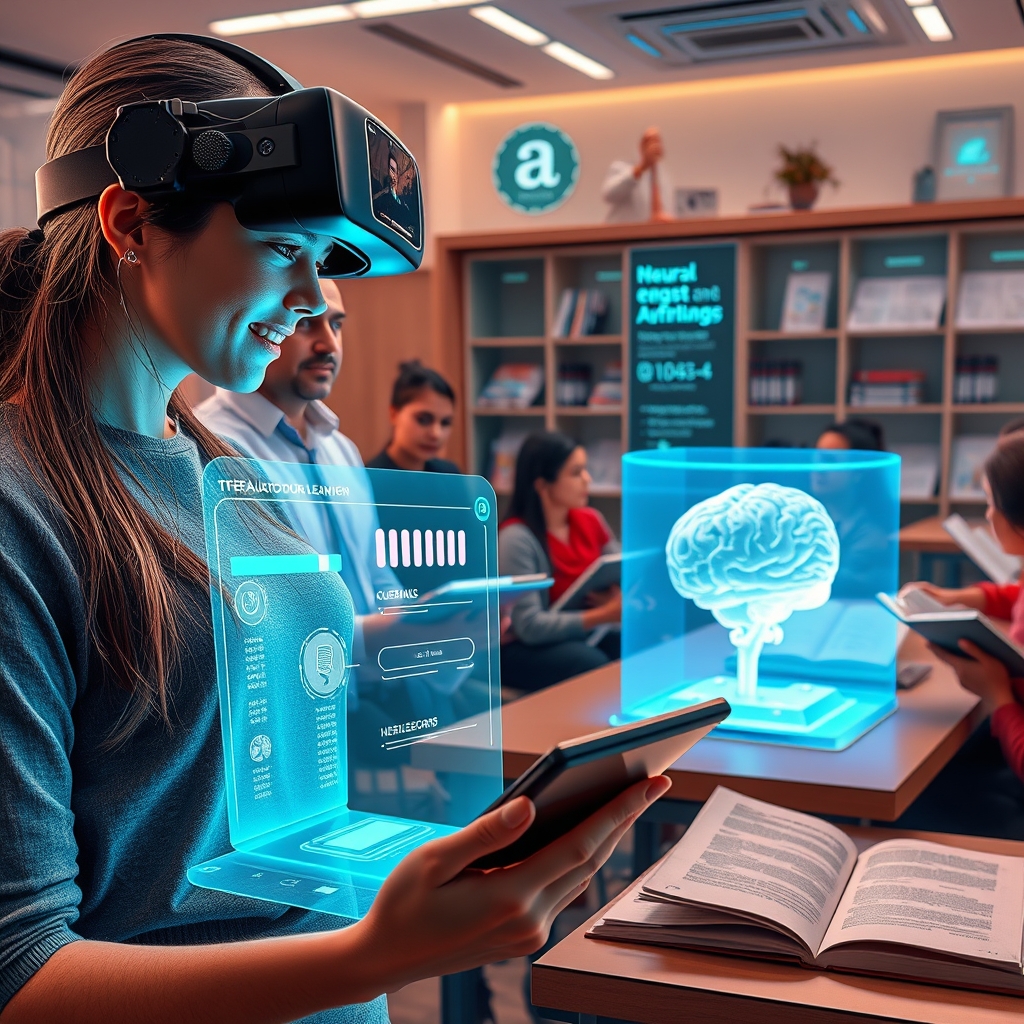
The digital transformation of education is not just a shift in tools—it’s a fundamental rewiring of how we absorb, process, and apply knowledge. At the heart of this evolution lies the fusion of AI-powered learning and gamification, two forces that are dismantling the rigid structures of traditional education and replacing them with dynamic, engaging, and deeply personalized experiences. This isn’t merely about making learning fun; it’s about unlocking human potential by aligning education with the way our brains naturally thrive.
The Psychology Behind Gamification: Why Play Works
Gamification in learning isn’t a gimmick—it’s rooted in cognitive science. The human brain is hardwired to respond to challenges, rewards, and progress. When learners earn digital badges, climb leaderboards, or unlock new levels, their brains release dopamine, a neurotransmitter associated with motivation and reinforcement. This neurological response transforms passive absorption into active engagement, making even complex subjects feel like an adventure rather than a chore.
Consider the success of platforms like Duolingo or Khan Academy, where gamified elements—streaks, points, and instant feedback—keep users returning daily. These systems don’t just teach; they create habits. The same principles are now being applied to corporate training online, where employees earn micro-credentials for completing modules, turning professional development into a competitive yet collaborative experience. The result? Higher retention rates, faster skill acquisition, and a workforce that views learning as a continuous journey rather than a one-time event.
AI as the Architect of Personalized Learning Paths
While gamification hooks learners, adaptive teaching software ensures the content they engage with is precisely tailored to their needs. Traditional education often operates on a one-size-fits-all model, leaving advanced learners bored and struggling students overwhelmed. AI dismantles this inefficiency by analyzing performance in real-time and adjusting difficulty, pacing, and even teaching methods to match individual learning styles.
For example, platforms like DreamBox or ScribeSense use AI to identify gaps in a student’s understanding and serve up targeted exercises to address them. In higher education, online degree programs are leveraging AI to create flexible learning paths, allowing students to skip material they’ve already mastered and dive deeper into areas where they need growth. This level of personalization was once the domain of elite tutors; now, it’s accessible to anyone with an internet connection.
The Rise of Virtual Tutors and Interactive Ebooks
Imagine having a tutor available 24/7, one that never tires, never judges, and adapts its teaching style to your mood and progress. Virtual tutors, powered by AI, are making this a reality. Tools like Carnegie Learning’s MATHia or IBM’s Watson Tutor provide one-on-one guidance, offering hints, explanations, and encouragement in real-time. These systems don’t replace human teachers; they augment them, freeing educators to focus on mentorship and creativity rather than rote instruction.
Similarly, interactive ebooks are transforming static text into immersive experiences. With embedded quizzes, animations, and even AR elements, these digital books turn reading into an active process. A history textbook might include a 3D model of the Colosseum that students can explore, or a science book could feature a simulation of cellular respiration. By engaging multiple senses, interactive ebooks cater to diverse learning preferences, making abstract concepts tangible and memorable.
Blended Learning: The Best of Both Worlds
The debate between online and in-person learning is becoming obsolete as hybrid learning models prove their efficacy. Blended learning combines the flexibility of mobile learning apps with the structure of traditional classrooms, creating a synergy that maximizes engagement and outcomes. For instance, a university course might use an AI-driven platform for pre-class readings and quizzes, reserving in-person sessions for discussion, collaboration, and hands-on activities.
This model is particularly powerful in lifelong learning programs, where adults juggle education with careers and family responsibilities. Microlearning courses—bite-sized lessons that can be completed in minutes—fit seamlessly into busy schedules, while virtual reality classrooms offer immersive experiences without the need for physical attendance. The result is a learning ecosystem that bends to the learner’s life, not the other way around.
From Credentials to Competencies: The Shift to Skill-Based Validation
The traditional degree is no longer the sole marker of expertise. In a world where skills evolve rapidly, skill-based certifications and digital badges are emerging as more agile and relevant indicators of proficiency. Platforms like Coursera, LinkedIn Learning, and edX offer micro-credentials that validate specific competencies, from data analysis to project management. These badges are shareable, verifiable, and often stackable, allowing learners to build a portfolio of skills that reflects their unique journey.
For employers, this shift means hiring based on demonstrated ability rather than pedigree. For learners, it means the freedom to pursue education that aligns with their goals, whether that’s a formal degree, a series of micro-courses, or a combination of both. The rigid boundaries between education and work are dissolving, replaced by a fluid, continuous exchange of knowledge and validation.
As we stand at the intersection of technology and education, one thing is clear: the future of learning is not about replacing human teachers with machines, but about leveraging these tools to create experiences that are more human than ever. By harnessing the power of AI and gamification, we’re not just teaching people what to know—we’re teaching them how to learn, adapt, and thrive in a world that never stops changing. The classroom of tomorrow isn’t a place; it’s a mindset, one that embraces curiosity, experimentation, and the endless possibilities of what comes next.



