
The New Era of Learning: How AI, Micro-Credentials, and Immersive Tech Are Building the Workforce of Tomorrow
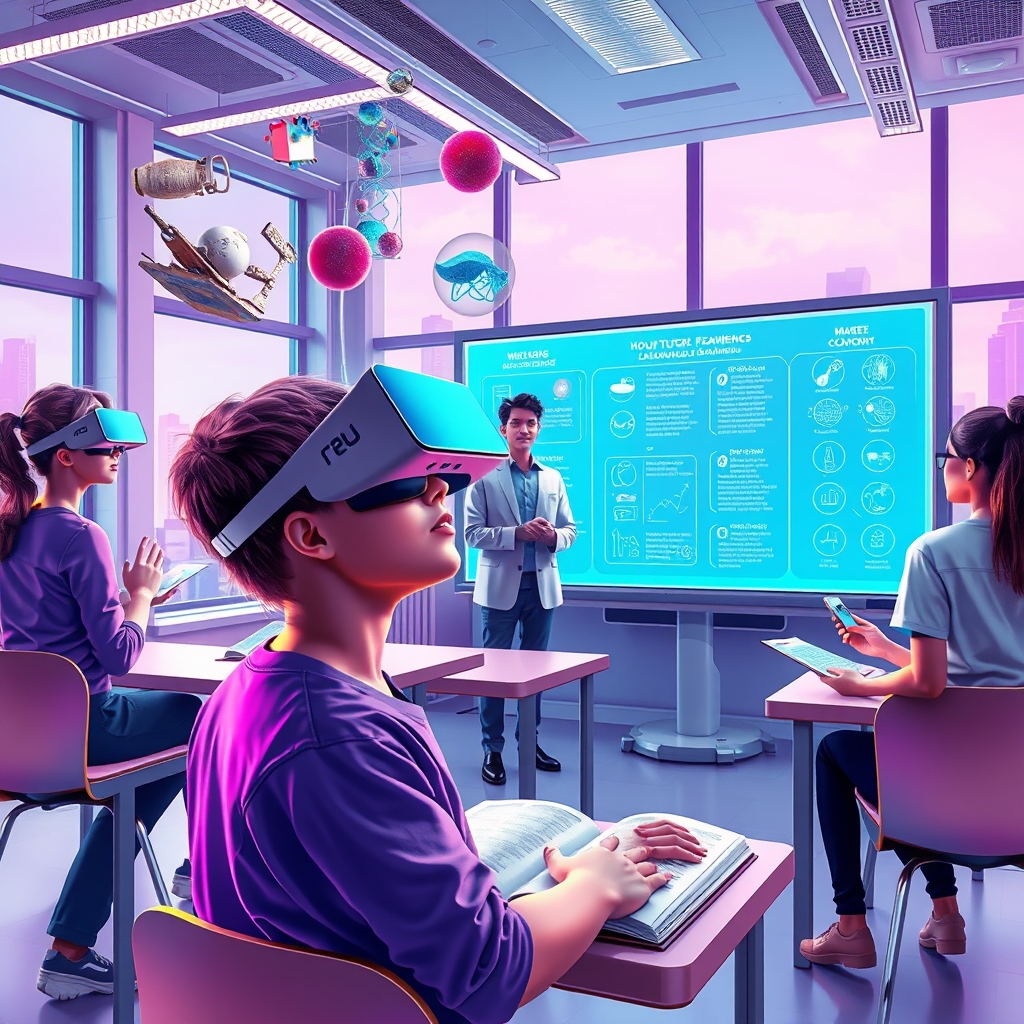
The landscape of education and professional development is undergoing a seismic shift, driven by rapid advancements in technology and a growing demand for flexible, skill-based learning. Traditional models of education, once dominated by rigid curricula and one-size-fits-all approaches, are being dismantled in favor of dynamic, personalized systems that cater to individual needs and career aspirations. At the heart of this transformation are innovations like AI-powered learning platforms, micro-credentials, and immersive technologies, which are not only redefining how knowledge is acquired but also how it is validated and applied in the real world.
The Rise of AI-Powered Personalization
Artificial intelligence is no longer a futuristic concept—it is a present-day reality reshaping the way we learn. Adaptive teaching software, powered by AI, analyzes a learner’s strengths, weaknesses, and preferences to create customized learning paths. These systems use data-driven insights to adjust content difficulty, pacing, and even teaching methods in real time, ensuring that each student receives the support they need to succeed. For example, platforms like Duolingo and Khan Academy leverage AI to provide personalized feedback, recommend resources, and adapt lessons based on user performance. This level of personalization was once unimaginable in traditional classrooms, where teachers often struggled to address the diverse needs of every student.
Beyond individual learning, AI is also enhancing corporate training programs. Companies are increasingly adopting AI-driven learning management systems (LMS) to upskill employees efficiently. These systems can identify skill gaps within a workforce, curate relevant training modules, and even predict future learning needs based on industry trends. The result is a more agile and competent workforce, capable of adapting to the ever-evolving demands of the modern job market.
Micro-Credentials and Digital Badges: The New Currency of Skills
As the job market becomes more competitive, the traditional degree is no longer the sole measure of a candidate’s capabilities. Employers are now placing greater emphasis on specific skills and competencies, leading to the rise of micro-credentials and digital badges. These bite-sized certifications validate expertise in niche areas, from coding languages to project management, and can be earned through short, focused courses offered by platforms like Coursera, Udacity, and LinkedIn Learning.
Micro-credentials offer several advantages over traditional degrees. They are more affordable, take less time to complete, and are often designed in collaboration with industry leaders to ensure relevance. For professionals, this means the ability to quickly acquire new skills without committing to lengthy degree programs. For employers, it provides a clear and verifiable way to assess a candidate’s proficiency in specific areas. The growing acceptance of digital badges by major corporations, including Google, IBM, and Microsoft, underscores their legitimacy and value in today’s job market.
The Role of Immersive Technologies in Modern Learning
Immersive technologies like virtual reality (VR) and augmented reality (AR) are pushing the boundaries of education by creating engaging, experiential learning environments. VR classrooms, for instance, allow students to explore historical events, conduct virtual science experiments, or even practice surgical procedures in a risk-free setting. These experiences are not only more engaging than traditional methods but also enhance retention and understanding by allowing learners to interact with content in a hands-on manner.
AR, on the other hand, overlays digital information onto the real world, making it a powerful tool for on-the-job training. For example, technicians can use AR glasses to receive step-by-step instructions while repairing machinery, reducing errors and improving efficiency. In education, AR can bring textbooks to life, turning static images into interactive 3D models that students can explore from every angle. The potential of these technologies is vast, and as they become more accessible, they are poised to revolutionize both formal education and corporate training.
Gamification and Interactive Ebooks: Making Learning Engaging
One of the biggest challenges in education is maintaining student engagement, particularly in an era where attention spans are shrinking. Gamification—the integration of game-like elements into learning—has emerged as a powerful solution to this problem. By incorporating features such as points, leaderboards, badges, and challenges, educators can make learning more interactive and motivating. Platforms like Kahoot! and Quizlet have successfully leveraged gamification to transform quizzes and reviews into competitive, fun activities that students actually enjoy.
Interactive ebooks are another innovation enhancing the learning experience. Unlike traditional textbooks, interactive ebooks include multimedia elements such as videos, animations, quizzes, and hyperlinks, making the content more dynamic and engaging. They also allow for real-time updates, ensuring that learners always have access to the most current information. For subjects that require visualization, such as anatomy or engineering, interactive ebooks can provide a level of detail and interactivity that static texts simply cannot match.
The Future of Hybrid and Flexible Learning Models
The COVID-19 pandemic accelerated the adoption of hybrid learning models, which combine in-person and online instruction. While the initial shift was born out of necessity, hybrid learning has since proven to offer significant benefits, including greater flexibility, accessibility, and cost-effectiveness. Students can now attend lectures remotely, participate in discussions via online forums, and access course materials at their own pace, making education more inclusive for those with work or family commitments.
Flexible learning paths take this concept a step further by allowing learners to customize their educational journey. Instead of following a predetermined curriculum, students can choose courses and modules that align with their career goals and interests. This approach is particularly valuable in fields like technology and healthcare, where skills evolve rapidly, and professionals must continuously update their knowledge to stay relevant. Online degree programs, such as those offered by universities like Southern New Hampshire University and Western Governors University, are leading the way in providing flexible, competency-based education that caters to the needs of modern learners.
As we look to the future, it is clear that the integration of AI, micro-credentials, and immersive technologies is not just a trend but a fundamental shift in how we approach education and professional development. These innovations are breaking down barriers, making learning more accessible, engaging, and relevant to the demands of the 21st-century workforce. The question is no longer whether these technologies will transform education, but how quickly we can adapt to harness their full potential. The tools to build a smarter, more skilled workforce are already here—it is up to us to embrace them and shape the future of learning.



