
The Evolution of Learning: How Flexible Paths and Gamification Are Shaping the Future of Education
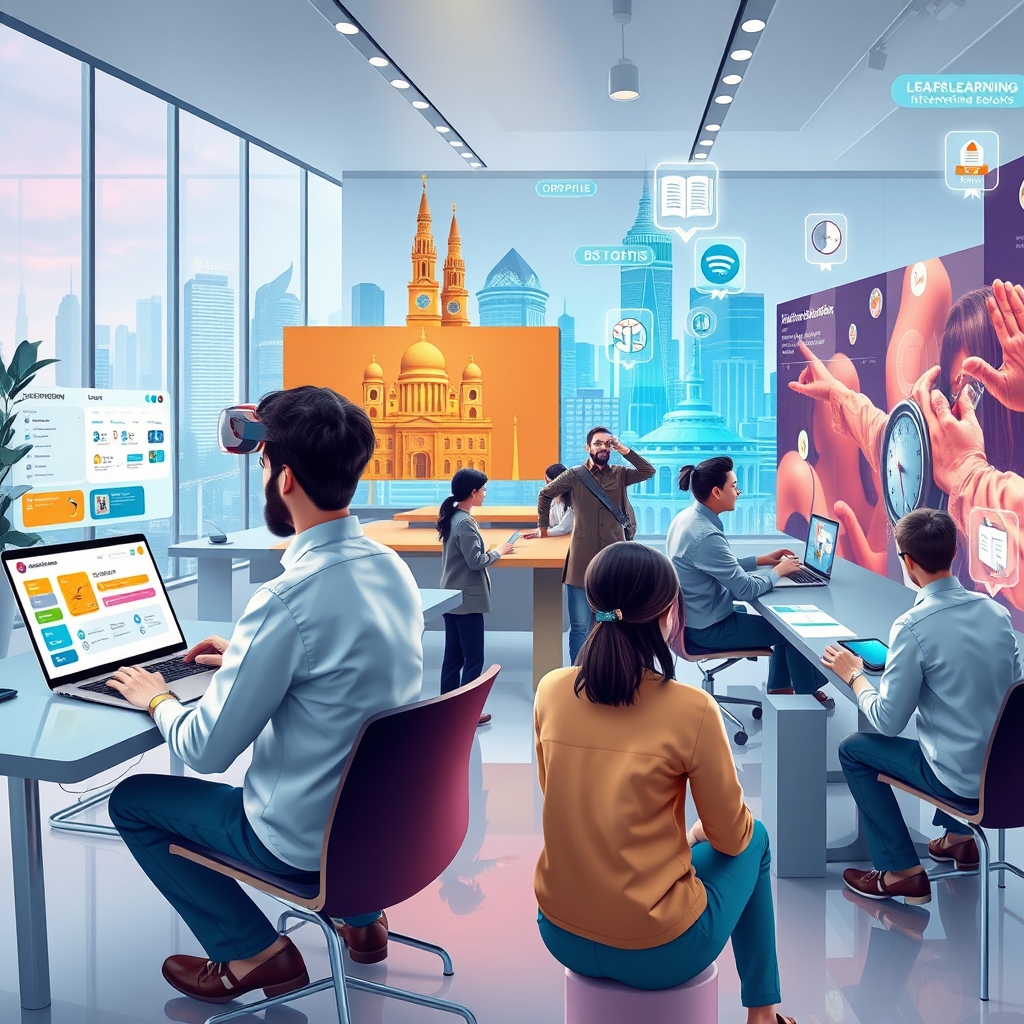
The traditional model of education, with its rigid structures and one-size-fits-all approach, is undergoing a profound transformation. As technology continues to advance, the boundaries of learning are expanding, making education more accessible, engaging, and tailored to individual needs. At the heart of this shift are flexible learning paths and gamification, two powerful trends that are redefining how knowledge is acquired and skills are developed.
The Rise of Flexible Learning Paths
Flexible learning paths represent a departure from the linear, time-bound educational models of the past. These paths allow learners to navigate their educational journey at their own pace, choosing the subjects, formats, and timelines that best suit their goals and lifestyles. Whether through online degree programs, microlearning courses, or hybrid learning models, flexibility is becoming a cornerstone of modern education.
One of the most significant advantages of flexible learning paths is their ability to accommodate diverse learners. Working professionals, for example, can pursue skill-based certifications or corporate training online without sacrificing their careers. Similarly, students in remote or underserved areas can access high-quality education through mobile learning apps and virtual classrooms, breaking down geographical barriers. This democratization of education ensures that learning is no longer confined to the walls of a traditional classroom.
Personalization Through Adaptive Teaching Software
At the core of flexible learning paths is the concept of personalization. Adaptive teaching software leverages artificial intelligence to analyze a learner’s strengths, weaknesses, and preferences, creating a customized educational experience. Unlike conventional teaching methods, which often rely on a standardized curriculum, adaptive software adjusts the difficulty, pace, and content of lessons in real time. This ensures that learners remain engaged and challenged without feeling overwhelmed or bored.
For instance, platforms like Duolingo and Khan Academy use AI-powered learning algorithms to tailor lessons to individual users. If a learner struggles with a particular concept, the software provides additional resources or alternative explanations. Conversely, if a learner masters a topic quickly, the system accelerates their progress, preventing unnecessary repetition. This level of personalization not only enhances learning outcomes but also fosters a sense of autonomy and motivation.
The Power of Gamification in Learning
Gamification, the integration of game-like elements into non-game contexts, is another trend revolutionizing education. By incorporating features such as points, badges, leaderboards, and challenges, gamification transforms learning into an interactive and enjoyable experience. This approach taps into the natural human desire for achievement, competition, and rewards, making education more engaging and effective.
One of the most compelling examples of gamification in education is the use of digital badges and micro-credentials. These badges serve as tangible evidence of a learner’s skills and accomplishments, providing a way to showcase expertise in specific areas. Unlike traditional degrees, which often require years of study, micro-credentials can be earned in a matter of weeks or months, making them ideal for professionals seeking to upskill or reskill quickly.
Interactive Ebooks and Virtual Reality Classrooms
Gamification also extends to interactive ebooks and virtual reality (VR) classrooms, where learners can immerse themselves in dynamic and interactive environments. Interactive ebooks, for example, may include quizzes, simulations, and multimedia content that reinforce learning through active participation. Similarly, VR classrooms allow students to explore historical events, conduct virtual science experiments, or practice language skills in realistic scenarios. These immersive experiences not only enhance retention but also make learning more enjoyable and memorable.
Corporate training programs are also embracing gamification to improve employee engagement and knowledge retention. By turning training modules into interactive games or simulations, companies can create a more engaging and effective learning experience. For example, a sales team might participate in a virtual role-playing game to practice negotiation skills, while a healthcare team could use VR simulations to train for emergency scenarios. These gamified approaches not only make training more enjoyable but also lead to better performance and outcomes.
The Role of Lifelong Learning Programs
In today’s fast-paced world, the concept of lifelong learning has never been more relevant. Rapid technological advancements and shifting job markets demand that individuals continuously update their skills and knowledge. Lifelong learning programs, which emphasize continuous education and professional development, are designed to meet this need. These programs often combine flexible learning paths, gamification, and microlearning courses to create a sustainable and engaging learning experience.
Online platforms like Coursera, Udemy, and LinkedIn Learning offer a wide range of courses and certifications that cater to learners at all stages of their careers. Whether it’s mastering a new programming language, developing leadership skills, or exploring a new hobby, these platforms provide the tools and resources needed to pursue lifelong learning. Additionally, many of these programs offer digital badges and skill-based certifications, which can be shared on professional networks like LinkedIn, further enhancing career prospects.
Blended Learning Solutions: The Best of Both Worlds
Blended learning solutions, which combine online and in-person instruction, are another example of how flexible learning paths are evolving. These models offer the convenience and accessibility of online learning while retaining the benefits of face-to-face interaction. For example, a university might offer an online degree program with optional in-person workshops or lab sessions, allowing students to balance their studies with other commitments.
Blended learning is particularly effective in corporate training, where employees can complete online modules at their own pace and then participate in group discussions or hands-on training sessions. This approach not only accommodates different learning styles but also fosters collaboration and networking among participants. By blending the best of both worlds, blended learning solutions create a more dynamic and effective educational experience.
As education continues to evolve, the integration of flexible learning paths and gamification is unlocking new possibilities for learners around the world. These innovations are not just changing how we learn but also redefining what it means to be educated in the 21st century. By embracing these trends, individuals can take control of their learning journeys, acquire new skills, and stay ahead in an ever-changing world. The future of education is here, and it is more personalized, engaging, and accessible than ever before.



