
The Art of Unstructured Play: How Forest Kindergartens Foster Independence and Eco-Literacy Through Wild Exploration
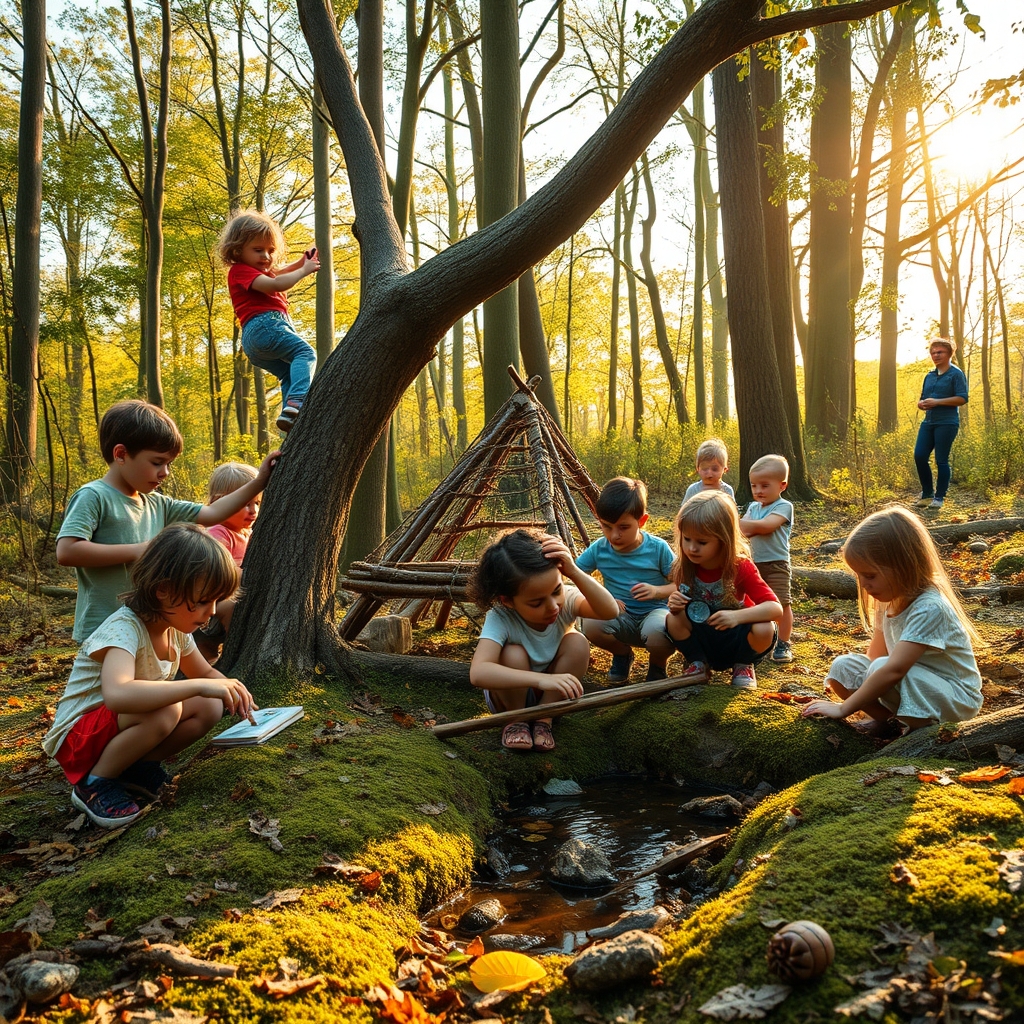
In a world where structured schedules and screen time often dominate childhood, forest kindergartens offer a refreshing alternative—a return to the wild, where learning unfolds through unstructured play, curiosity, and direct engagement with nature. These programs, rooted in the philosophy of outdoor experiential education, prioritize freedom, exploration, and sensory-rich experiences over rigid lesson plans. The result? Children who develop not only a deep connection to the natural world but also resilience, problem-solving skills, and an innate sense of environmental stewardship.
The Philosophy Behind Forest Kindergartens
Forest kindergartens, also known as nature preschools or waldkindergartens, originated in Scandinavia and have since spread globally as a response to the growing disconnect between children and the outdoors. Unlike traditional classrooms, these programs operate almost entirely outside, regardless of weather, with minimal reliance on man-made structures. The core belief is simple: nature itself is the greatest teacher, and children learn best when they are free to explore, experiment, and engage with their surroundings on their own terms.
This approach aligns with the principles of place-based learning, where the local environment becomes the primary textbook. Whether it’s identifying animal tracks in the mud, building shelters from fallen branches, or observing the life cycle of a frog in a nearby pond, every experience is an opportunity for discovery. The absence of predetermined outcomes allows children to follow their interests, fostering a sense of ownership over their learning journey.
Unstructured Play as a Catalyst for Development
One of the most striking aspects of forest kindergartens is their emphasis on unstructured play. Without the constraints of scheduled activities, children are free to immerse themselves in imaginative scenarios—turning a stick into a magic wand, a log into a spaceship, or a pile of leaves into a treasure trove. This kind of play is far from frivolous; it is the foundation of cognitive, emotional, and social growth.
Research in child development consistently highlights the benefits of unstructured play. It enhances creativity, as children invent games and narratives without adult intervention. It builds problem-solving skills, as they navigate challenges like climbing a tree or crossing a stream. It also nurtures emotional resilience, as they learn to manage risks, cope with minor setbacks, and collaborate with peers. In the context of a forest kindergarten, these skills are amplified by the dynamic, ever-changing environment of the natural world.
The Role of Risk in Learning
A defining feature of forest kindergartens is their approach to risk. Unlike conventional playgrounds with safety-certified equipment, the outdoors presents real, manageable risks—uneven terrain, slippery rocks, or the occasional insect sting. Rather than shielding children from these experiences, forest kindergartens teach them to assess and navigate risks independently. This process, known as risk-benefit analysis, is a critical life skill that builds confidence and self-reliance.
For example, a child who wants to climb a tree must first evaluate the strength of the branches, the stability of their footing, and their own physical capabilities. If they slip, they learn to adjust their approach. Over time, these experiences cultivate a sense of competence and judgment that cannot be replicated in a risk-averse environment. More importantly, they foster a healthy relationship with the natural world, where children see themselves as capable explorers rather than passive observers.
Eco-Literacy Through Hands-On Experience
Eco-literacy—the understanding of ecological principles and one’s role within them—is not taught through textbooks in forest kindergartens. Instead, it emerges organically through daily interactions with the environment. Children learn about the interconnectedness of ecosystems by observing how a rainstorm affects the soil, how plants grow toward the sunlight, or how animals adapt to seasonal changes. These lessons are visceral and memorable, embedding a sense of responsibility for the natural world that lasts a lifetime.
For instance, a child who plants a seed and tends to it over weeks or months develops a personal connection to the growth process. They witness firsthand the impact of sunlight, water, and care, and they experience the joy of seeing their efforts bear fruit (or flowers, or vegetables). This kind of hands-on nature study is far more impactful than abstract lessons about photosynthesis or biodiversity. It transforms theoretical knowledge into lived experience, making eco-literacy a natural part of a child’s worldview.
Sustainable Education in Action
Forest kindergartens are also pioneers of sustainable education models, demonstrating how learning can be both environmentally and socially responsible. Many programs incorporate practices like composting, rainwater harvesting, or gardening, teaching children the principles of sustainability through direct participation. These activities not only reduce the program’s ecological footprint but also instill habits of mind that prioritize conservation and stewardship.
Moreover, the materials used in forest kindergartens are often natural or upcycled, reinforcing the idea that resources should be valued and reused. A fallen branch becomes a building material, a pile of leaves transforms into a sensory bin, and a hollow log serves as a home for imaginary creatures. This mindset extends beyond the classroom, encouraging children to see the potential in what others might discard and to approach problems with creativity and resourcefulness.
The Long-Term Impact of Wild Play
The benefits of forest kindergartens extend far beyond the early years. Children who spend their formative years in these programs often grow into adults who are more attuned to the natural world, more confident in their abilities, and more committed to environmental conservation. They carry with them a sense of wonder and curiosity that fuels lifelong learning, as well as the skills to navigate challenges with resilience and adaptability.
Perhaps most importantly, forest kindergartens nurture a generation of eco-literate individuals who understand their place within the web of life. They learn that nature is not a resource to be exploited but a community to which they belong. This shift in perspective is the first step toward creating a more sustainable future—one where children grow up knowing that their actions matter, and that the wild spaces they cherish today will be there for generations to come.
The magic of forest kindergartens lies in their simplicity: they trust children to lead their own learning, they embrace the unpredictability of the natural world, and they recognize that the most profound lessons are often the ones that unfold without a plan. In doing so, they offer a blueprint for education that is as wild and free as the children it serves.



