
The Future of Education: Embracing AI-Powered Learning Innovations
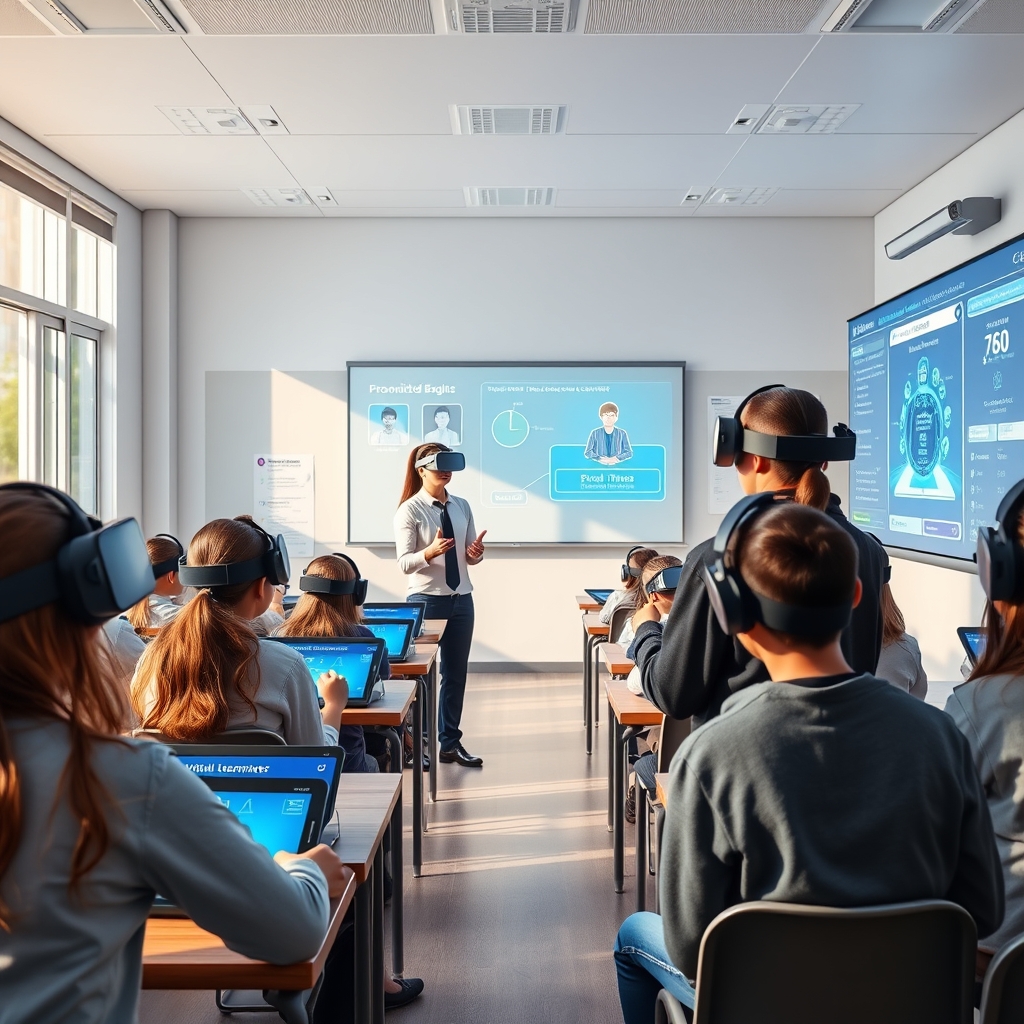
In the rapidly evolving landscape of education, technology is playing an increasingly pivotal role. From personalized learning systems to virtual reality classrooms, the integration of AI and other innovative tools is reshaping the way we learn and teach. This article explores some of the most transformative trends in edtech, highlighting their potential to revolutionize education and empower learners of all ages.
AI-Powered Learning: A Personalized Experience
One of the most significant advancements in education is the rise of AI-powered learning. These systems use advanced algorithms to analyze student performance, identify strengths and weaknesses, and tailor educational content to individual needs. By providing personalized learning experiences, AI-powered systems can help students learn at their own pace and in their own style, leading to improved engagement and better academic outcomes.
Adaptive Teaching Software
Adaptive teaching software is a key component of AI-powered learning. These programs adjust the difficulty and content of lessons based on the student’s performance, ensuring that they are always challenged but not overwhelmed. This personalized approach can help students build confidence and develop a deeper understanding of the material.
Virtual Tutors and Chatbots
Virtual tutors and chatbots are another innovative application of AI in education. These digital assistants can provide instant feedback, answer questions, and offer guidance, 24/7. They can also help students practice and reinforce concepts, making learning more interactive and engaging.
Immersive Learning Environments
In addition to personalized learning, technology is also enabling more immersive and engaging learning environments. Virtual reality (VR) and augmented reality (AR) are being used to create interactive and realistic simulations, allowing students to explore and experience concepts in new ways.
Virtual Reality Classrooms
Virtual reality classrooms are transforming the way students learn by providing a fully immersive and interactive experience. In a VR classroom, students can explore historical events, visit virtual museums, or even travel to different parts of the world, all from the comfort of their own home. This technology can help students develop a deeper understanding of the world around them and foster a love of learning.
Augmented Reality Education
Augmented reality (AR) is another powerful tool for immersive learning. AR overlays digital information onto the real world, allowing students to interact with and manipulate objects and concepts in a tangible way. For example, students can use AR to study anatomy by examining virtual organs, or they can explore the solar system by visualizing the movement of planets in real-time.
Gamification and Microlearning
Gamification and microlearning are two other innovative approaches to education that are gaining traction. These methods leverage the power of play and the principles of learning science to create engaging and effective learning experiences.
Gamification in Learning
Gamification involves the use of game elements, such as points, badges, and leaderboards, to motivate and engage students. By turning learning into a game, educators can make the process more fun and rewarding, encouraging students to take on challenges and achieve their goals.
Microlearning Courses
Microlearning is a form of e-learning that focuses on short, focused lessons. These bite-sized courses are designed to be quick and easy to digest, making them ideal for busy learners. Microlearning can help students build new skills and knowledge in a fraction of the time it would take to learn the same material in a traditional setting.
Digital Badges and Micro Credentials
Digital badges and micro credentials are emerging as powerful tools for recognizing and rewarding learning. These credentials can be earned by completing specific learning activities or achieving certain milestones, and they can be shared and verified online. Digital badges and micro credentials can help students build a portfolio of their achievements and demonstrate their skills to potential employers.
In conclusion, the future of education is bright, thanks to the power of technology. From AI-powered learning to immersive environments and gamification, there are countless innovative tools and approaches that can help students learn more effectively and engage more deeply with the material. As we continue to embrace these technologies and trends, we can create a more inclusive, accessible, and effective education system for all learners.



