
The Invisible Curriculum: How AI and Microlearning Are Crafting the Future of On-Demand Expertise
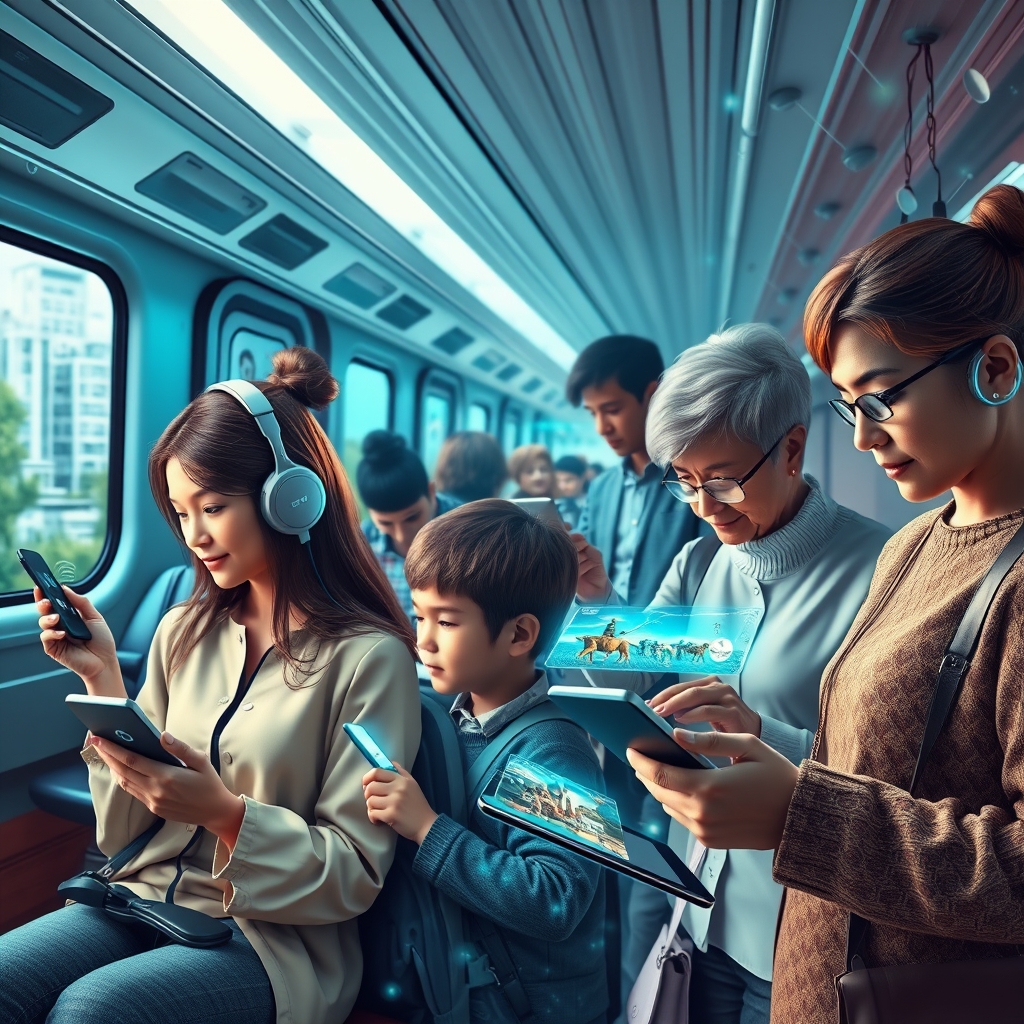
The modern learner no longer fits the mold of a traditional student. Between full-time jobs, family responsibilities, and the relentless pace of technological change, the idea of dedicating years to a single degree or certification is becoming increasingly impractical. Instead, a new paradigm is emerging—one where knowledge is consumed in bite-sized, hyper-relevant chunks, delivered precisely when and where it’s needed. At the heart of this shift are two powerful forces: artificial intelligence and microlearning. Together, they are dismantling the rigid structures of conventional education and replacing them with a fluid, on-demand curriculum that adapts to the learner, not the other way around.
The Death of the One-Size-Fits-All Classroom
For decades, education has operated on a factory model: students progress through standardized curricula at a predetermined pace, regardless of their individual strengths, weaknesses, or interests. This approach was efficient for mass education but failed to account for the unique ways people absorb and apply knowledge. AI-powered learning systems are changing that. By analyzing vast amounts of data—from a learner’s performance on quizzes to their engagement with interactive content—these systems can identify patterns and tailor instruction in real time. Struggling with a concept? The system might break it down into smaller, more digestible pieces or present it in a different format, such as a video instead of text. Mastering a topic quickly? It will accelerate the pace, introducing more advanced material to keep the learner challenged and engaged.
This level of personalization was once the domain of one-on-one tutoring, a luxury few could afford. Now, it’s becoming the standard. Platforms like Duolingo, Khan Academy, and Coursera leverage AI to create dynamic learning paths that evolve with the user. The result? Higher retention rates, faster skill acquisition, and a learning experience that feels less like a chore and more like a conversation with a patient, ever-adaptive mentor.
The Microlearning Revolution: Knowledge in the Palm of Your Hand
If AI is the engine driving personalized learning, microlearning is the fuel. Defined by short, focused bursts of content—often no longer than a few minutes—microlearning aligns perfectly with the way our brains process information in the digital age. Studies show that the average human attention span has shrunk to just eight seconds, a byproduct of the constant stimulation provided by smartphones and social media. Rather than fighting this trend, microlearning embraces it, delivering knowledge in a format that’s not only digestible but also addictive.
Take, for example, the rise of mobile learning apps like Blinkist, which condenses nonfiction books into 15-minute summaries, or platforms like Udemy and LinkedIn Learning, which offer courses broken into bite-sized video lessons. These tools cater to the modern learner’s lifestyle, allowing them to squeeze in a lesson during a commute, a lunch break, or even while waiting in line. The key is context: microlearning doesn’t just make content shorter; it makes it more relevant. By focusing on specific skills or knowledge gaps, it ensures that every minute spent learning is a minute well spent.
The Corporate Training Renaissance
While microlearning and AI are transforming education at large, their impact is perhaps most pronounced in the corporate world. Traditional corporate training programs—often characterized by lengthy, generic seminars—are notoriously ineffective. Employees forget up to 70% of what they learn within 24 hours, and the one-size-fits-all approach fails to address the diverse needs of a modern workforce. AI and microlearning are flipping this model on its head.
Companies like Google, IBM, and Amazon are using AI-driven platforms to deliver personalized training modules that adapt to an employee’s role, experience level, and career goals. For instance, a software engineer might receive micro-courses on the latest programming languages, while a marketing professional gets targeted lessons on data analytics. These systems can even predict skill gaps before they become problematic, recommending training modules to employees before they realize they need them. The result is a workforce that’s not only more skilled but also more agile, capable of pivoting quickly in response to industry shifts.
The Rise of the Lifelong Learner
Perhaps the most profound shift brought about by AI and microlearning is the democratization of expertise. In the past, acquiring new skills often required significant time and financial investment—enrolling in a university, attending workshops, or hiring a personal tutor. Today, the barriers to entry are crumbling. With a smartphone and an internet connection, anyone can access world-class education, whether they’re a stay-at-home parent looking to re-enter the workforce or a seasoned professional aiming to stay ahead of the curve.
This shift is giving rise to the lifelong learner—a mindset that views education not as a finite phase of life but as an ongoing journey. Platforms like edX and FutureLearn offer micro-credentials and nanodegrees that allow learners to stack skills incrementally, building expertise over time without the commitment of a full degree. Digital badges, meanwhile, provide a way to showcase these skills to employers, creating a more transparent and meritocratic job market. The message is clear: learning is no longer confined to the classroom or the early years of life. It’s a continuous, dynamic process that evolves alongside our careers and ambitions.
The Future of Learning: Seamless, Invisible, and Always On
As AI and microlearning continue to evolve, the line between learning and daily life will blur. Imagine a world where your smartphone, smartwatch, or even your smart glasses deliver personalized lessons in real time, based on your current context. Stuck on a work task? A microlearning module appears, offering a quick tutorial. Attending a conference? Augmented reality overlays provide instant summaries of key topics. The learning experience becomes seamless, embedded into the fabric of our lives in ways we barely notice.
This future isn’t as far off as it might seem. Companies like Microsoft and Meta are already experimenting with AI-powered virtual tutors that can answer questions, provide feedback, and even simulate real-world scenarios. Meanwhile, gamification elements—such as leaderboards, badges, and rewards—are making learning feel more like play than work. The goal is no longer to force learners into a rigid system but to create an ecosystem where knowledge is always within reach, tailored to the individual, and delivered in a way that feels natural and engaging.
In this new era, the most successful learners won’t be those who can memorize the most facts or endure the longest lectures. They’ll be the ones who know how to navigate the vast ocean of information at their fingertips, leveraging AI and microlearning to turn curiosity into expertise, one bite-sized lesson at a time. The classroom of the future isn’t a place—it’s a mindset, one that embraces the idea that learning is not a destination but a lifelong journey, guided by the invisible hand of technology.



