
The Invisible Classroom: How AI, VR, and Microlearning Are Crafting Seamless Learning Experiences
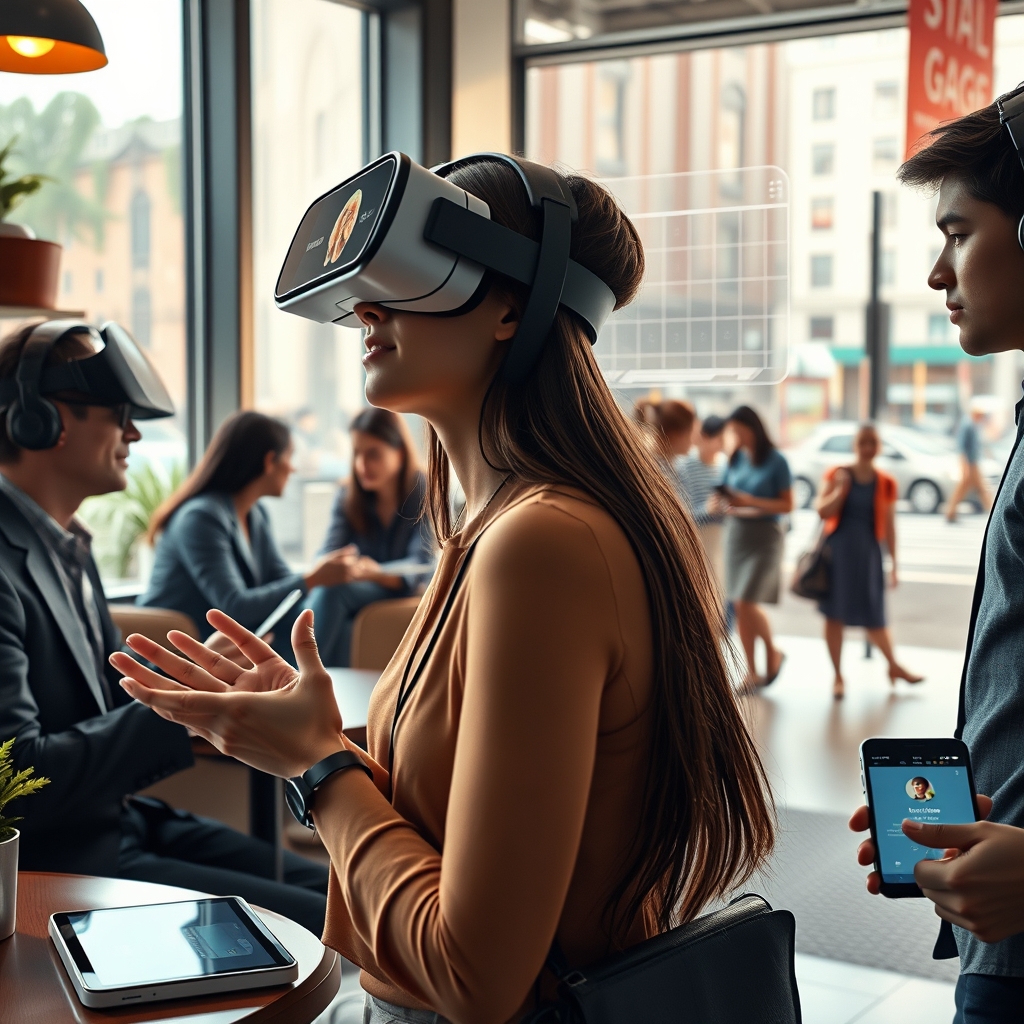
Education is no longer confined to the four walls of a classroom or the rigid schedules of traditional academia. The fusion of artificial intelligence, virtual reality, and microlearning is dissolving boundaries, creating an invisible classroom that adapts to the learner’s needs, pace, and environment. This evolution is not just about technology—it’s about reimagining how knowledge is acquired, applied, and validated in a world where learning never stops.
The AI-Powered Personalization Revolution
At the heart of this transformation is adaptive teaching software, which leverages AI to tailor learning experiences to individual strengths, weaknesses, and preferences. Unlike one-size-fits-all curricula, these systems analyze performance in real-time, adjusting difficulty, content, and even teaching methods to optimize engagement and retention. For instance, platforms like Duolingo and Khan Academy use AI-driven algorithms to identify knowledge gaps and recommend targeted exercises, ensuring learners progress at their own pace without feeling overwhelmed or underchallenged.
This level of personalization extends beyond K-12 and higher education. Corporate training programs are increasingly adopting AI-powered learning management systems (LMS) to upskill employees efficiently. By tracking progress and predicting skill deficiencies, these systems enable organizations to deliver just-in-time training, reducing downtime and maximizing productivity. The result? A workforce that evolves alongside technological advancements, rather than being left behind.
Virtual and Augmented Reality: Learning Beyond the Screen
While AI personalizes the learning journey, virtual reality (VR) and augmented reality (AR) are redefining how learners interact with content. VR classrooms transport students to historical events, microscopic worlds, or even distant planets, making abstract concepts tangible. For example, medical students can perform virtual surgeries, while engineering trainees can explore 3D models of complex machinery—all without the risks or costs of real-world practice.
AR, on the other hand, overlays digital information onto the physical world, creating interactive learning experiences that bridge theory and practice. Apps like Google Expeditions allow students to dissect virtual frogs or walk through ancient Rome, while AR-enabled textbooks bring static diagrams to life. These immersive technologies are particularly valuable in fields like STEM, where hands-on experience is critical but often limited by resources or safety concerns.
The Gamification of Knowledge
Gamification is another powerful tool in the invisible classroom, transforming learning into an engaging, competitive, and rewarding experience. By incorporating game mechanics—such as points, leaderboards, and badges—into educational content, platforms like Kahoot! and Classcraft motivate learners to stay committed and track their progress. This approach is especially effective for younger audiences, who thrive on instant feedback and social interaction, but its benefits extend to adult learners as well.
In corporate settings, gamified learning platforms are used to simulate real-world scenarios, such as sales negotiations or crisis management, allowing employees to practice skills in a low-stakes environment. The result is not just improved performance but also higher retention rates, as learners are more likely to remember information when it’s tied to an emotional or competitive experience.
Microlearning and Flexible Learning Paths: Education on Demand
The modern learner is often juggling multiple responsibilities—work, family, and personal growth—making traditional, time-intensive education models impractical. Enter microlearning: bite-sized, focused lessons that can be completed in minutes rather than hours. These courses, often delivered via mobile learning apps, cater to the modern attention span and busy lifestyle, allowing learners to acquire new skills during commutes, lunch breaks, or even while waiting in line.
Flexible learning paths take this a step further by allowing learners to customize their educational journey. Instead of following a linear curriculum, students can choose modules based on their interests, career goals, or immediate needs. Platforms like Coursera and Udemy offer a vast library of courses, from coding to creative writing, enabling learners to build a personalized portfolio of skills. This democratization of education empowers individuals to take control of their learning, regardless of age or background.
The Rise of Skill-Based Credentials
As the job market evolves, so too does the way we validate expertise. Traditional degrees are no longer the sole measure of competence, giving rise to micro-credentials and digital badges. These certifications, often earned through short, focused courses, provide tangible proof of specific skills—whether it’s proficiency in Python, project management, or digital marketing. For employers, they offer a more granular way to assess candidates, while for learners, they provide a flexible and affordable path to career advancement.
Organizations like LinkedIn Learning and edX have embraced this trend, partnering with industry leaders to offer certifications that align with market demands. This shift toward skill-based validation reflects a broader movement toward lifelong learning, where education is not a one-time event but a continuous process of growth and adaptation.
As technology continues to blur the lines between learning and living, the invisible classroom becomes more pervasive and powerful. It’s no longer about where or when education happens, but how seamlessly it integrates into our daily lives. Whether through AI-driven personalization, immersive VR experiences, or on-demand microlearning, the future of education is not just about acquiring knowledge—it’s about unlocking potential in ways we’re only beginning to imagine. The tools are here; the question is how we choose to use them to shape a world where learning knows no limits.



