
The Learning Labyrinth: Navigating the Future with AI, Microlearning, and Immersive Tech
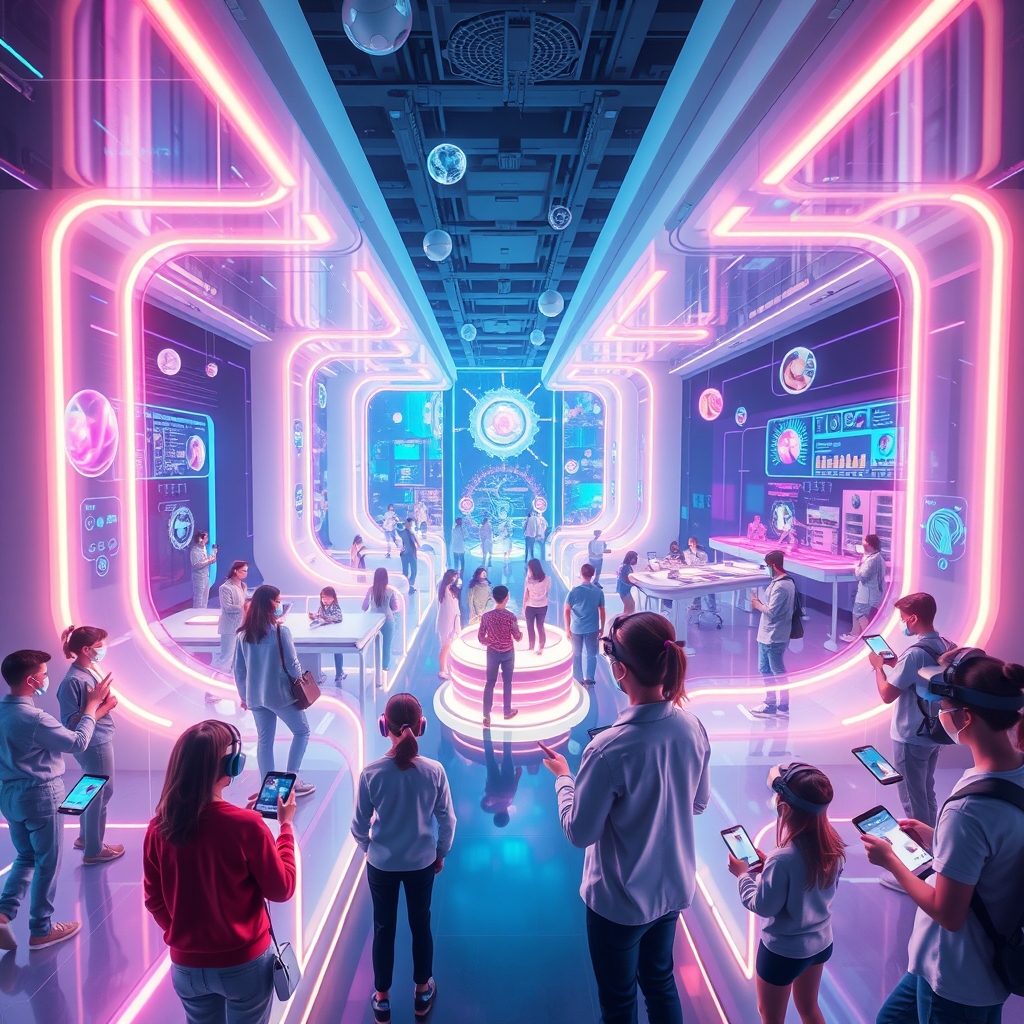
The modern educational landscape is no longer a straight path but a dynamic labyrinth, where learners navigate twists and turns shaped by technology, personalization, and innovation. At the heart of this transformation lies a trio of powerful forces: artificial intelligence (AI), microlearning, and immersive technologies like virtual and augmented reality (VR/AR). Together, they are redefining how knowledge is acquired, skills are mastered, and learning is experienced, making education more accessible, engaging, and tailored to individual needs than ever before.
The Rise of AI-Powered Personalization
Imagine a learning environment that adapts to you—not the other way around. AI-powered learning systems are making this a reality by analyzing vast amounts of data to understand each learner’s strengths, weaknesses, and preferences. These systems use algorithms to adjust content difficulty, suggest resources, and even predict future learning needs. For instance, adaptive teaching software can identify when a student struggles with a concept and automatically provide additional explanations, practice exercises, or alternative approaches to ensure mastery.
This level of personalization extends beyond traditional classrooms. Corporate training programs are leveraging AI to create bespoke learning paths for employees, ensuring that professional development aligns with both individual career goals and organizational needs. The result? A workforce that is not only more skilled but also more engaged, as learning becomes a continuous, tailored journey rather than a one-size-fits-all obligation.
Microlearning: Bite-Sized Knowledge for a Fast-Paced World
In an era where attention spans are shrinking and time is a precious commodity, microlearning has emerged as a game-changer. These short, focused learning modules—often just a few minutes long—deliver targeted knowledge or skills without overwhelming the learner. Whether it’s a quick video tutorial, an interactive quiz, or a concise article, microlearning fits seamlessly into busy schedules, making it ideal for both students and professionals.
The beauty of microlearning lies in its flexibility. Learners can access content on-demand, whether they’re commuting, taking a break, or waiting in line. This approach also aligns perfectly with the principles of spaced repetition, where information is reviewed at optimal intervals to enhance retention. When combined with AI, microlearning becomes even more powerful. AI can curate personalized microlearning sequences, ensuring that learners receive the right content at the right time to reinforce their knowledge and skills.
Digital Badges and Micro-Credentials: Validating Skills in the Digital Age
As the demand for lifelong learning grows, so does the need for flexible, credible ways to validate skills. Enter digital badges and micro-credentials—compact, verifiable certifications that recognize specific competencies. Unlike traditional degrees, which can take years to earn, micro-credentials can be completed in weeks or even days, making them ideal for professionals looking to upskill or reskill quickly.
These credentials are particularly valuable in industries where skills evolve rapidly, such as technology, healthcare, and digital marketing. Employers are increasingly recognizing the value of micro-credentials, as they provide a clear, granular view of an individual’s capabilities. Platforms like Coursera, edX, and LinkedIn Learning have embraced this trend, offering micro-credentials that are stackable, meaning learners can combine multiple badges to demonstrate mastery in a broader field.
Immersive Tech: Stepping Into the Future of Learning
While AI and microlearning are transforming the *how* of learning, immersive technologies like VR and AR are revolutionizing the *where* and *what*. Virtual reality classrooms transport learners to environments that would otherwise be inaccessible—whether it’s a historical battlefield, a microscopic cell, or a simulated surgical procedure. These experiences are not just engaging; they are deeply memorable, as they leverage the brain’s natural ability to learn through experience and emotion.
Augmented reality, on the other hand, overlays digital information onto the real world, creating interactive learning experiences that blend the physical and digital realms. For example, AR can turn a textbook into a 3D model, allowing students to explore complex concepts like molecular structures or architectural designs in a hands-on way. In corporate training, AR is being used to provide on-the-job guidance, such as step-by-step instructions for repairing machinery or performing medical procedures.
Gamification: Turning Learning Into Play
Gamification—the application of game-design elements in non-game contexts—is another powerful tool in the modern educator’s arsenal. By incorporating elements like points, leaderboards, challenges, and rewards, gamification makes learning more engaging and motivating. It taps into the human desire for achievement and competition, turning even the most mundane tasks into exciting quests.
Interactive ebooks and mobile learning apps are prime examples of gamification in action. These tools often include quizzes, simulations, and branching narratives that adapt based on the learner’s performance. For instance, a language-learning app might reward users with badges for completing daily lessons or unlock new levels as they progress. The result is a learning experience that feels less like work and more like play—without sacrificing educational value.
Hybrid Learning: The Best of Both Worlds
The COVID-19 pandemic accelerated the adoption of hybrid learning models, which blend in-person and online instruction. But hybrid learning is more than just a temporary solution—it’s a lasting evolution in education. By combining the structure and social interaction of traditional classrooms with the flexibility and personalization of digital learning, hybrid models offer the best of both worlds.
AI plays a crucial role in making hybrid learning effective. For example, adaptive software can ensure that students who attend classes remotely receive the same level of engagement and support as those in the physical classroom. Virtual tutors and AI-driven chatbots can provide instant feedback and assistance, bridging the gap between synchronous and asynchronous learning. Meanwhile, immersive tech like VR can create shared virtual spaces where remote and in-person learners collaborate in real time, fostering a sense of community and connection.
As we navigate the labyrinth of modern education, one thing is clear: the future of learning is not a single path but a network of interconnected possibilities. AI, microlearning, and immersive tech are not just tools—they are catalysts for a fundamental shift in how we think about education. They empower learners to take control of their journeys, break down barriers to access, and make learning a lifelong, joyful pursuit. The question is no longer whether these innovations will shape the future of education, but how we will harness their potential to create a world where everyone has the opportunity to learn, grow, and thrive.



