
The Art of Learning Without Limits: How Open Schools Cultivate Creativity and Critical Thinking
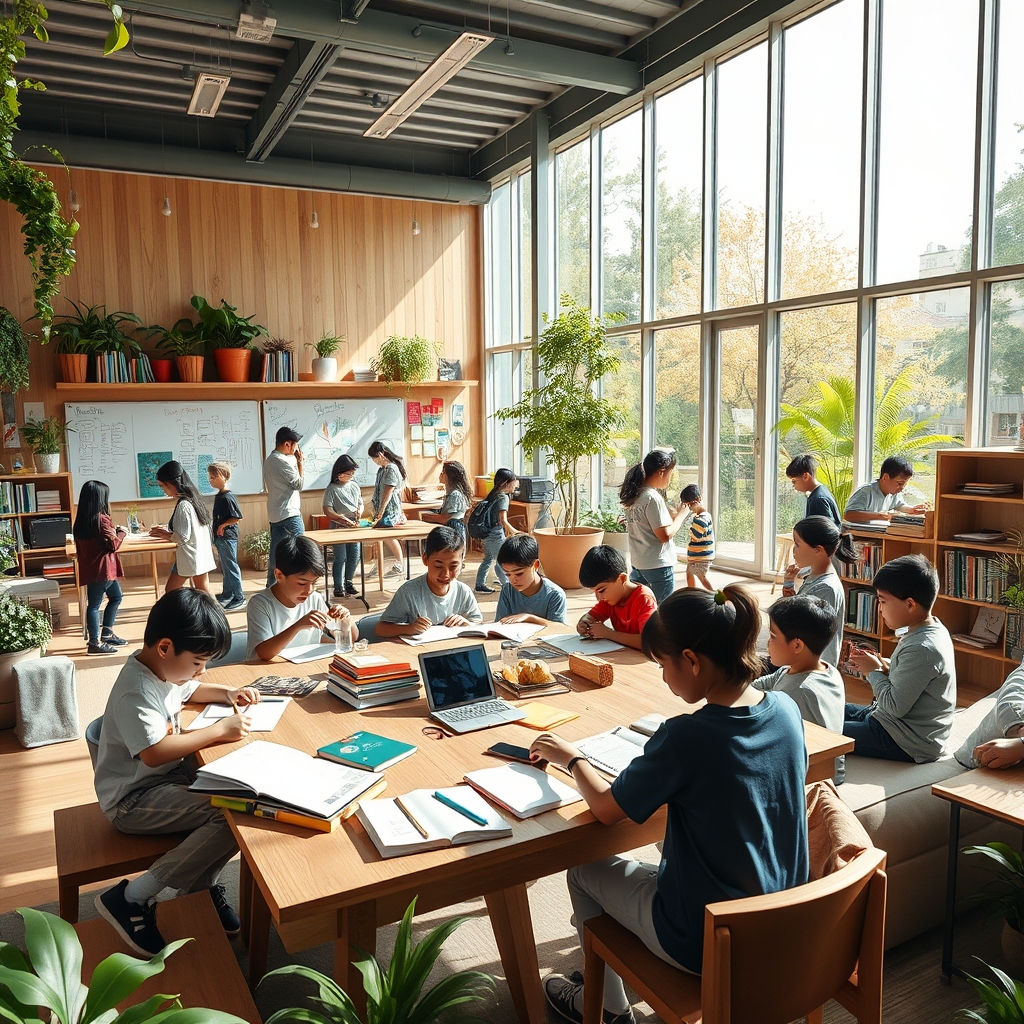
Education has long been confined within the rigid walls of standardized curricula, timed exams, and one-size-fits-all teaching methods. Yet, as the world evolves at an unprecedented pace, so too must the ways we prepare learners for the challenges and opportunities ahead. Open schools represent a radical reimagining of education—one that prioritizes flexibility, autonomy, and the unique potential of every student. By dismantling traditional barriers, these models foster environments where creativity, critical thinking, and lifelong learning can thrive.
The Philosophy Behind Open Schooling
At its core, open schooling is built on the belief that education should be a dynamic, student-driven experience. Unlike conventional systems that dictate what, when, and how students learn, open schools embrace a flexible curriculum that adapts to individual needs, interests, and paces. This philosophy is rooted in the idea that learning is not a linear process but a deeply personal journey. By shifting the focus from rote memorization to competency-based progression, open schools allow students to master skills at their own rhythm, ensuring a deeper and more meaningful understanding of the material.
This approach is particularly powerful in fostering holistic student development. When students are given the freedom to explore topics that resonate with them, they develop not only academic skills but also emotional intelligence, resilience, and a sense of agency. Open schools recognize that education is not just about preparing for tests but about nurturing well-rounded individuals who are curious, adaptable, and equipped to navigate an ever-changing world.
Breaking Down the Classroom Walls
One of the most striking features of open schools is their ability to transcend the physical and metaphorical boundaries of traditional classrooms. Hybrid learning spaces blend in-person and digital environments, creating opportunities for students to engage with content in ways that suit their learning styles. Whether through virtual collaborations, interactive simulations, or hands-on projects, these spaces encourage active participation and real-world application of knowledge.
Moreover, open schools often integrate experiential learning projects that connect classroom concepts to real-life scenarios. For example, a student interested in environmental science might work on a community-based project to restore a local ecosystem, applying their knowledge of biology, chemistry, and sustainability in a tangible way. Such experiences not only deepen understanding but also instill a sense of purpose and responsibility, showing students that their learning has a direct impact on the world around them.
The Role of Educators in Open Schools
In open schooling models, teachers are no longer the sole gatekeepers of knowledge but facilitators of learning. Their role shifts from delivering lectures to guiding students through personalized study plans and adaptive teaching strategies. This requires a deep understanding of each student’s strengths, challenges, and aspirations, as well as the ability to curate resources—such as open educational resources (OER)—that align with their goals.
Educators in open schools also foster collaborative group work, where students learn from one another through peer-to-peer interactions. This not only enhances social skills but also exposes learners to diverse perspectives, preparing them for the collaborative nature of modern workplaces. Additionally, teachers encourage autonomous student research, empowering students to pursue independent inquiries and develop critical thinking skills that extend far beyond the classroom.
Inclusivity and Accessibility in Open Schooling
Open schools are inherently designed to be inclusive, catering to students of all backgrounds, abilities, and learning needs. Inclusive classroom design ensures that every learner, regardless of physical, cognitive, or socio-economic barriers, has access to quality education. This might involve providing assistive technologies, flexible seating arrangements, or tailored support systems that accommodate diverse learning styles.
Furthermore, open schools often embrace democratic schooling principles, where students have a voice in shaping their educational experiences. This could mean participating in decision-making processes about curriculum choices, school policies, or even disciplinary measures. By giving students agency, open schools cultivate a sense of ownership and responsibility, fostering a culture of mutual respect and shared learning.
The Future of Learning: Lifelong Skills for a Changing World
In a world where information is constantly evolving, the ability to learn, unlearn, and relearn is more valuable than ever. Open schools prioritize the development of lifelong learning skills, such as adaptability, problem-solving, and self-directed inquiry. These skills are not confined to academic subjects but extend to emotional and social domains, preparing students to navigate the complexities of life with confidence and resilience.
For instance, a student in an open school might engage in community-based education, where they collaborate with local organizations to address real-world challenges. This not only reinforces academic concepts but also teaches valuable lessons in empathy, teamwork, and civic engagement. By connecting learning to the broader community, open schools help students see themselves as active contributors to society, rather than passive recipients of knowledge.
As education continues to evolve, open schools stand at the forefront of a movement that values individuality, creativity, and inclusivity. They challenge the notion that learning must be confined to a classroom or dictated by a rigid curriculum, instead offering a vision of education that is as unique as the students it serves. In doing so, they not only prepare learners for the future but also inspire them to redefine what learning can—and should—be.



