
The Cognitive Revolution: How AI, Microlearning, and Gamification Are Redesigning the Architecture of Learning
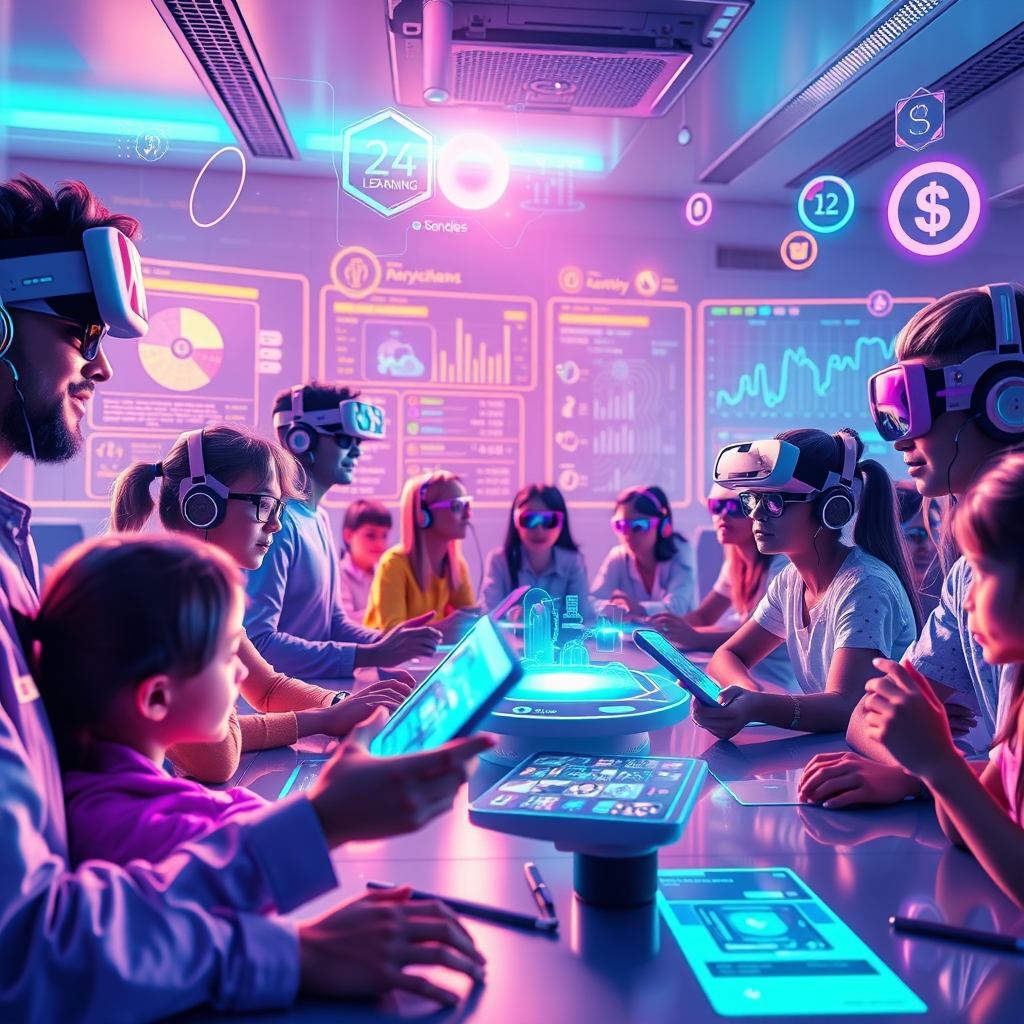
The modern learner is no longer confined to the four walls of a classroom or the rigid structure of traditional education. Instead, they navigate a dynamic, ever-evolving digital landscape where knowledge is not just consumed but experienced. At the heart of this transformation lies a powerful trio: artificial intelligence, microlearning, and gamification. Together, these forces are dismantling the old paradigms of education and reconstructing them into something more agile, personalized, and engaging. The question is no longer whether these technologies will reshape learning, but how deeply they will embed themselves into the fabric of our cognitive development.
The AI-Powered Personalization Engine
Artificial intelligence has emerged as the backbone of personalized learning, acting as a silent architect that tailors educational experiences to the unique needs of each learner. Unlike the one-size-fits-all approach of traditional education, AI-driven systems analyze vast amounts of data—from learning styles and pace to engagement levels and knowledge gaps—to create bespoke pathways. Adaptive teaching software, for instance, adjusts the difficulty of content in real-time, ensuring that learners are neither bored by simplicity nor overwhelmed by complexity. This level of personalization was once the domain of elite tutors, but AI has democratized it, making high-quality, individualized education accessible to anyone with an internet connection.
Platforms like Duolingo and Khan Academy leverage AI to provide instant feedback, predict learning outcomes, and even recommend supplementary resources. These systems don’t just teach; they learn alongside the student, refining their algorithms with every interaction. The result is a learning experience that feels less like a rigid curriculum and more like a conversation—one where the learner’s curiosity and the system’s intelligence coalesce into a seamless flow of knowledge.
Microlearning: Knowledge in Bite-Sized Brilliance
In an era where attention spans are shrinking and time is a luxury, microlearning has emerged as a game-changer. This approach breaks down complex topics into digestible, focused bursts of information, often no longer than a few minutes. Whether it’s a short video, an interactive quiz, or a flashcard, microlearning caters to the modern learner’s need for flexibility and immediacy. It’s not about cramming more information into less time; it’s about delivering the right information at the right moment, in a format that’s easy to absorb and retain.
The rise of mobile learning apps has further amplified the impact of microlearning. Apps like Blinkist and Coursera’s mobile platform allow learners to turn idle moments—commuting, waiting in line, or taking a coffee break—into opportunities for growth. This shift from marathon study sessions to sprints of focused learning aligns with how our brains naturally process information. Research in cognitive science suggests that spaced repetition and bite-sized learning enhance retention and comprehension, making microlearning not just convenient but also highly effective.
The Gamification of Engagement
If AI provides the intelligence and microlearning offers the structure, gamification injects the fun. By incorporating game-like elements—points, badges, leaderboards, and challenges—into educational content, gamification transforms learning from a passive activity into an active, immersive experience. It taps into the same psychological triggers that make games addictive: the thrill of achievement, the satisfaction of progress, and the desire to compete and collaborate.
Platforms like Kahoot! and Quizlet have mastered the art of gamified learning, turning quizzes into competitive showdowns and flashcards into interactive challenges. Even corporate training programs are embracing gamification to boost engagement and knowledge retention. For example, companies like Deloitte and IBM use gamified simulations to train employees in complex skills, from cybersecurity to leadership. The result is a workforce that doesn’t just complete training but actively enjoys the process, leading to higher completion rates and better outcomes.
The Synergy of Immersive Technologies
While AI, microlearning, and gamification are powerful on their own, their true potential is unlocked when combined with immersive technologies like virtual reality (VR) and augmented reality (AR). VR classrooms transport learners to entirely new worlds—whether it’s a historical battlefield, a molecular biology lab, or the surface of Mars—allowing them to interact with content in ways that were once unimaginable. AR, on the other hand, overlays digital information onto the real world, turning everyday environments into interactive learning spaces. Imagine pointing your phone at a plant and instantly seeing its species, growth cycle, and ecological role, or walking through a museum and having AR guides provide context for each exhibit.
These technologies are not just novelties; they are redefining the boundaries of experiential learning. Medical students, for instance, can practice surgeries in VR before ever touching a scalpel, while engineering students can manipulate 3D models of machinery in AR to understand their inner workings. The immersive nature of these experiences creates a deeper, more visceral connection to the material, making learning not just informative but unforgettable.
The Future of Credentials: Beyond Degrees and Diplomas
As the nature of learning evolves, so too does the way we validate knowledge and skills. Traditional degrees and diplomas are no longer the sole markers of expertise. Instead, micro-credentials and digital badges are emerging as flexible, stackable alternatives that reflect a learner’s ongoing journey rather than a single endpoint. These credentials are particularly valuable in fast-moving industries like technology and healthcare, where skills can become obsolete in a matter of years. By earning badges in specific competencies—such as data analysis, project management, or coding languages—learners can demonstrate their proficiency in real-time, keeping pace with the demands of the modern workforce.
Platforms like Credly and LinkedIn Learning are at the forefront of this shift, offering digital badges that are shareable, verifiable, and recognized by employers worldwide. This trend is not just about convenience; it’s about redefining what it means to be qualified. In a world where continuous learning is the norm, micro-credentials provide a way to showcase expertise in a granular, dynamic way, ensuring that learners remain competitive and relevant in an ever-changing job market.
The cognitive revolution is not a distant future—it’s happening now, reshaping the way we learn, work, and grow. AI, microlearning, and gamification are not just tools but catalysts, accelerating a shift toward education that is more personal, more engaging, and more aligned with the rhythms of modern life. As these technologies continue to evolve, they will blur the lines between learning and living, turning every moment into an opportunity for discovery. The challenge for educators, learners, and institutions alike is not to resist this change but to embrace it, to harness its potential, and to reimagine what education can be when freed from the constraints of the past. The architecture of learning is being redesigned, and those who adapt will find themselves at the forefront of a new era of knowledge.



