
The Wild Classroom: How Conservation-Focused Learning Shapes Eco-Literate Guardians of the Earth
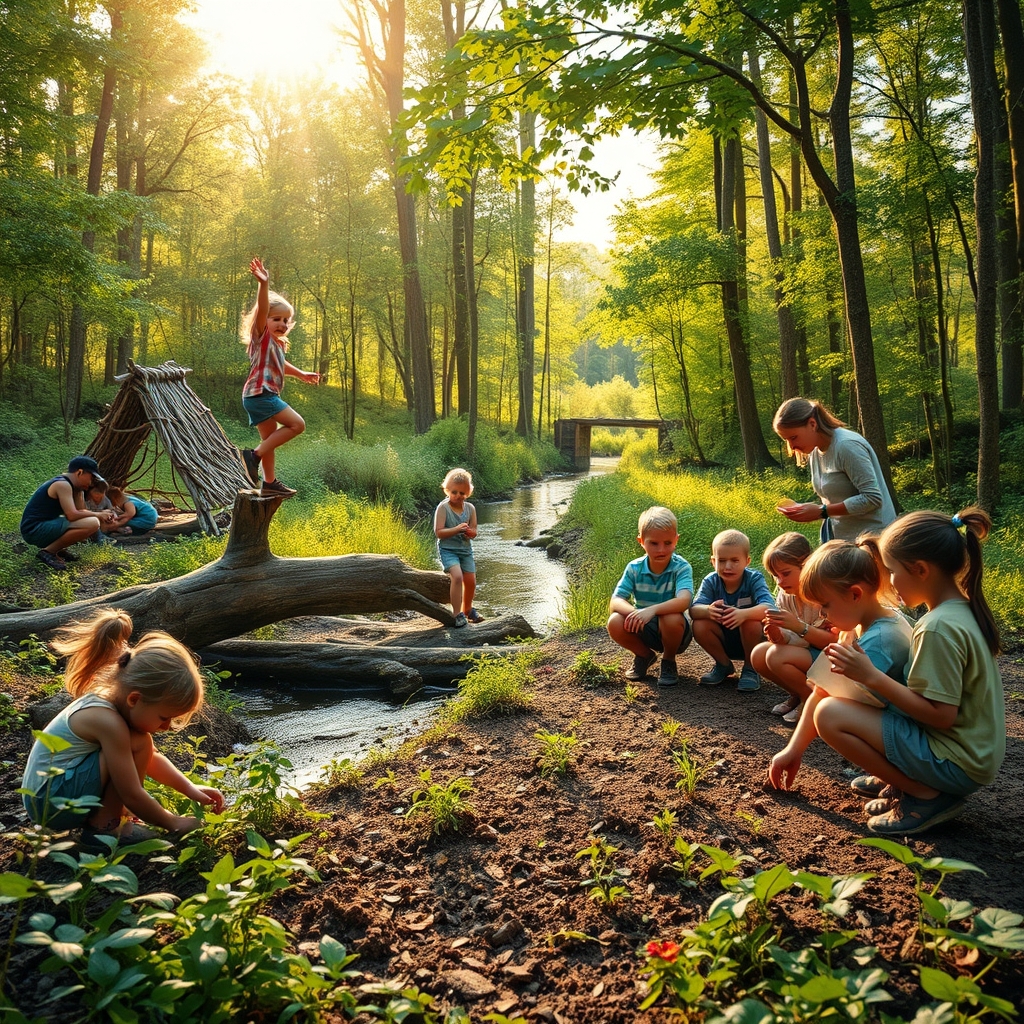
In an era where screens dominate attention and concrete jungles replace green spaces, a quiet revolution is taking root—one that reconnects children with the natural world through immersive, conservation-focused learning. This movement isn’t just about teaching ecology; it’s about fostering a deep, enduring relationship with the Earth, where every lesson is an invitation to become stewards of the planet. At the heart of this transformation lies a simple yet profound idea: the wild itself is the most powerful classroom.
The Philosophy of the Wild Classroom
The concept of a “wild classroom” transcends traditional education by embedding learning within the rhythms of nature. Unlike conventional classrooms, where knowledge is often abstract and disconnected, the wild classroom thrives on direct experience. Here, children don’t just read about ecosystems—they step into them, touch the soil, listen to the wind, and observe the intricate dance of life unfolding around them. This approach, rooted in place-based learning and outdoor experiential education, ensures that lessons are not only retained but lived.
Programs like Forest Kindergarten and Nature School Curricula exemplify this philosophy. In these settings, the boundaries between learning and play blur, as children engage in hands-on nature study that sparks curiosity and wonder. A fallen log becomes a lesson in decomposition, a bird’s nest a study in engineering, and a puddle a microcosm of the water cycle. The wild classroom doesn’t just teach facts; it cultivates a sense of belonging to the natural world, a foundation for eco-literacy development that lasts a lifetime.
Survival Skills as a Gateway to Eco-Literacy
One of the most compelling aspects of conservation-focused learning is its emphasis on wilderness survival skills and bushcraft for kids. These skills are far more than practical tools for navigating the outdoors—they are gateways to understanding the delicate balance of ecosystems. When children learn to build a shelter from natural materials, they gain insight into the properties of wood, the importance of windbreaks, and the role of insulation in survival. When they start a fire without matches, they confront the fragility of resources and the necessity of responsible stewardship.
These experiences do more than teach self-reliance; they foster a profound respect for the Earth’s resources. Children who learn to identify edible plants, track wildlife, or purify water in the wild develop an intimate awareness of their dependence on the natural world. This awareness is the cornerstone of eco-literacy, a deep understanding of how human actions impact the environment and how individual choices can contribute to conservation. By integrating adventure education courses into the curriculum, educators are not just preparing children for outdoor adventures—they are shaping the next generation of environmental advocates.
The Role of Sensory Play in Environmental Connection
At the core of the wild classroom is the belief that learning is a sensory experience. Outdoor sensory play is a powerful tool for engaging children with the natural world, allowing them to explore textures, sounds, and smells that are absent in indoor settings. The crunch of leaves underfoot, the scent of rain on pine needles, the cool touch of a river stone—these sensations create lasting memories and forge emotional connections to nature.
Research has shown that sensory-rich experiences enhance cognitive development, emotional regulation, and even empathy. In the context of eco-literacy, these experiences are invaluable. When children are encouraged to engage all their senses, they develop a holistic understanding of the environment. A child who has felt the roughness of bark, heard the rustle of leaves, and watched a caterpillar transform into a butterfly is far more likely to care about protecting forests than one who has only seen them in pictures. Forest School Methodology leverages this principle, using unstructured play in natural settings to nurture a deep, intuitive bond with the Earth.
Conservation in Action: Learning by Doing
Conservation-focused learning is not passive; it is an active, hands-on endeavor. Green School Initiatives and sustainable education models bring conservation to life by involving children in real-world projects. Whether it’s planting native gardens, restoring local habitats, or participating in citizen science projects like bird counts or water quality monitoring, these activities teach children that their actions matter. They learn that conservation is not just a concept to be studied but a practice to be lived.
For example, a class might adopt a local stream, testing its water quality, identifying pollution sources, and brainstorming solutions. Through this process, children don’t just learn about water cycles and ecosystems—they become advocates for clean water in their community. This kind of place-based learning makes abstract environmental issues tangible and personal. It transforms children from passive observers into active participants in the health of their environment, instilling a sense of responsibility that extends far beyond the classroom.
The Healing Power of the Wild
The benefits of conservation-focused learning extend beyond academic knowledge and environmental stewardship. There is a growing body of evidence supporting the therapeutic effects of nature on mental and emotional well-being. Nature-based therapy and holistic outdoor teaching recognize that time spent in nature reduces stress, enhances focus, and fosters resilience. For children, these benefits are particularly profound. The wild classroom offers a space where they can explore, take risks, and develop confidence in their abilities—all while surrounded by the calming presence of the natural world.
In a society where anxiety and attention disorders are on the rise, the wild classroom provides a much-needed antidote. The freedom to climb trees, balance on logs, or simply sit quietly observing wildlife allows children to decompress and reconnect with themselves. This emotional resilience is a critical component of eco-literacy, as it equips children with the mental fortitude to tackle environmental challenges with creativity and determination.
Building a Future Rooted in Eco-Literacy
The shift toward conservation-focused learning is not just a trend; it is a necessary evolution in education. As the world grapples with climate change, biodiversity loss, and environmental degradation, the need for eco-literate citizens has never been greater. The wild classroom is more than an alternative to traditional education—it is a model for how we can raise a generation that understands, values, and protects the natural world.
By integrating wilderness survival skills, hands-on nature study, sensory play, and place-based learning, educators are planting the seeds of a sustainable future. These experiences do more than teach children about the environment; they inspire a lifelong commitment to its preservation. The lessons learned in the wild classroom are not confined to textbooks or classrooms—they are carried in the hearts and minds of children who grow up knowing that they are part of something larger than themselves. In this way, the wild classroom doesn’t just educate; it transforms, shaping not just eco-literate individuals, but a society that values and protects the Earth for generations to come.



