
Seeds of Wonder: How Outdoor Experiential Education Cultivates Eco-Literacy in Young Learners
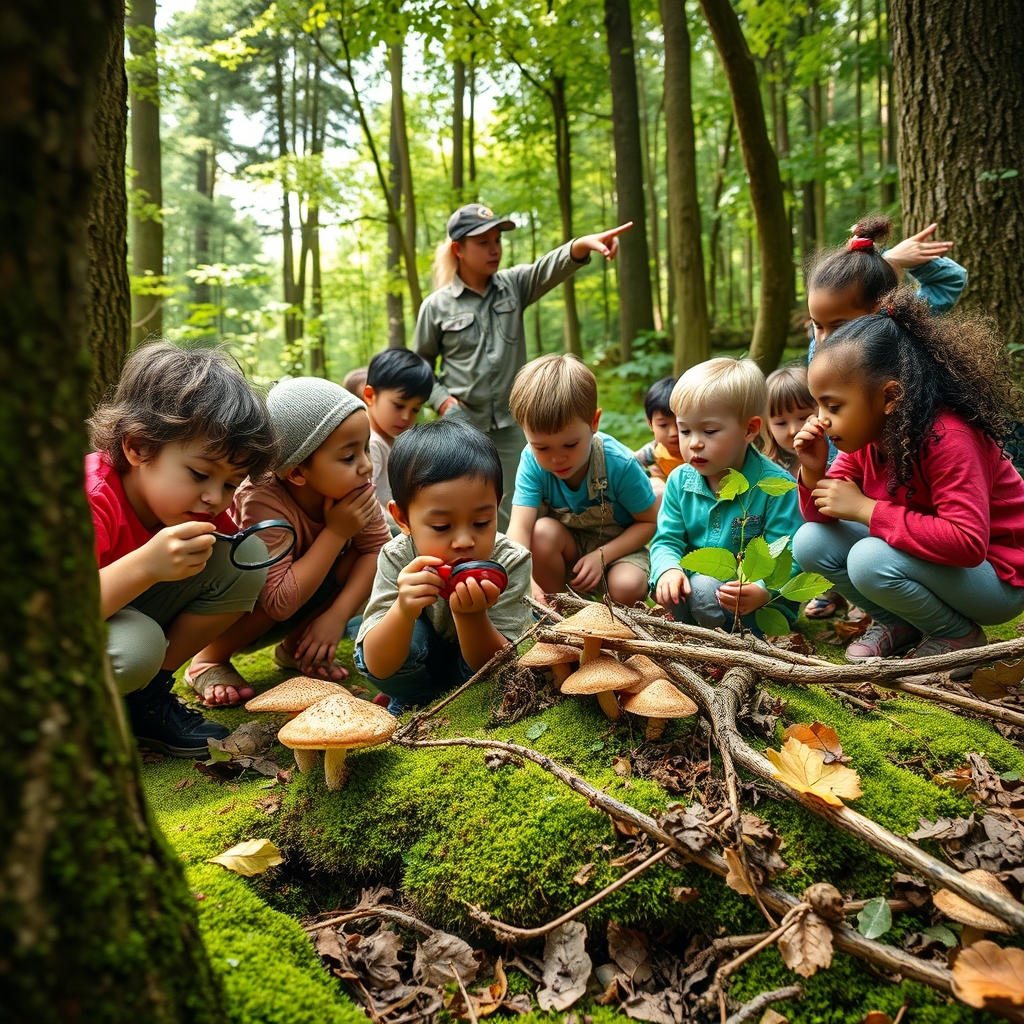
In a world increasingly dominated by screens and structured schedules, the call of the wild offers a refreshing antidote for young minds. Outdoor experiential education is not just about stepping outside—it’s about immersing children in the natural world in ways that ignite curiosity, foster resilience, and deepen their understanding of ecological systems. Programs like forest kindergartens and place-based learning initiatives are redefining education by blending adventure with academics, proving that the best classroom might just have no walls at all.
The Philosophy Behind Nature School Curricula
At the heart of nature school curricula lies a simple yet profound belief: children learn best when they are actively engaged with their environment. Unlike traditional education models that prioritize rote memorization and standardized testing, outdoor experiential education emphasizes hands-on exploration, sensory-rich experiences, and inquiry-based learning. This approach aligns with the Forest School methodology, which originated in Scandinavia and has since spread globally, advocating for regular, long-term immersion in nature as a cornerstone of early childhood development.
Forest kindergarten programs, for example, take learning outdoors regardless of the weather, encouraging children to climb trees, build shelters, and observe wildlife up close. These experiences are not just recreational; they are carefully designed to develop eco-literacy—the ability to understand and appreciate the interconnectedness of living systems. By fostering a direct relationship with nature, children begin to see themselves as part of a larger ecological community, rather than separate from it.
Place-Based Learning: Anchoring Education in the Local Environment
Place-based learning takes the principles of outdoor education a step further by grounding lessons in the local landscape. Whether it’s studying watersheds in a nearby river, identifying native plants in a community garden, or learning about indigenous history through land stewardship, this approach makes education relevant and meaningful. Students don’t just read about ecosystems in a textbook—they experience them firsthand, developing a sense of place and responsibility toward their environment.
For instance, a class might spend a semester monitoring the health of a local wetland, collecting data on water quality, and observing the species that depend on it. Through these activities, students gain practical skills in environmental science while also learning about conservation and sustainability. Place-based learning transforms abstract concepts into tangible experiences, making complex topics like climate change or biodiversity loss feel personal and urgent.
Wilderness Survival Skills and Eco-Literacy Development
Beyond academic learning, outdoor experiential education often incorporates wilderness survival skills as a way to build confidence, problem-solving abilities, and a deeper connection to nature. Activities like fire-building, shelter construction, and plant identification teach children how to interact with the natural world safely and respectfully. These skills are not just about survival—they are about cultivating a sense of self-reliance and respect for the environment.
Eco-literacy development goes hand-in-hand with these practical skills. When children learn to identify edible plants or track animal footprints, they begin to understand the delicate balance of ecosystems. They see how their actions—whether it’s leaving no trace or conserving water—can impact the environment. This awareness is the foundation of sustainable living, and it starts with hands-on experiences that make ecology feel alive and relevant.
Outdoor Sensory Play and Holistic Development
One of the most powerful aspects of outdoor experiential education is its emphasis on sensory play. Unlike the controlled environments of indoor classrooms, nature offers an ever-changing landscape of textures, sounds, and smells. Children might squish mud between their fingers, listen to the rustling of leaves, or inhale the scent of pine needles—all of which stimulate their senses and enhance cognitive development.
Research has shown that sensory play is crucial for brain development, particularly in early childhood. It helps children process information, develop fine and gross motor skills, and regulate emotions. In nature, sensory play is also inherently creative. A stick becomes a magic wand, a pile of leaves transforms into a treasure trove, and a fallen log turns into a balance beam. These unstructured play opportunities encourage imagination, collaboration, and problem-solving—skills that are just as important as academic knowledge.
Sustainable Education Models for the Future
As the world grapples with environmental challenges like climate change and biodiversity loss, the need for sustainable education models has never been greater. Green school initiatives are leading the way by integrating eco-literacy into every aspect of the curriculum. From energy-efficient buildings to zero-waste policies, these schools model sustainability in action, showing students that environmental stewardship is not just a subject to study but a way of life.
Adventure education courses and bushcraft for kids are also gaining popularity as ways to teach sustainability. These programs often include activities like upcycling materials, growing food, or learning about renewable energy. By engaging in these hands-on projects, students develop a sense of agency—they see that their actions can make a difference, whether it’s reducing waste or protecting local wildlife.
The Role of Wildlife Observation in Conservation-Focused Learning
Wildlife observation is another key component of outdoor experiential education. Whether it’s birdwatching, tracking mammals, or studying insects, these activities teach children about biodiversity and the importance of conservation. They also foster empathy and a sense of wonder—qualities that are essential for nurturing the next generation of environmental stewards.
For example, a class might participate in a citizen science project, such as monitoring bird populations or documenting plant species. These activities not only contribute to real-world research but also give students a sense of purpose. They learn that science is not just something that happens in a lab—it’s something they can be a part of, right in their own backyard.
As more educators recognize the benefits of outdoor experiential education, the movement continues to grow. Schools and communities are embracing nature-based therapy, holistic outdoor teaching, and ecology-focused activities as essential components of a well-rounded education. The goal is not to replace traditional learning but to complement it with experiences that nurture the whole child—mind, body, and spirit. In doing so, we plant the seeds of wonder that will inspire the next generation to protect and cherish the natural world, ensuring that the lessons learned outdoors will last a lifetime.



