
The Silent Teachers: How Wildlife Observation Skills Deepen Eco-Literacy in Nature School Curricula
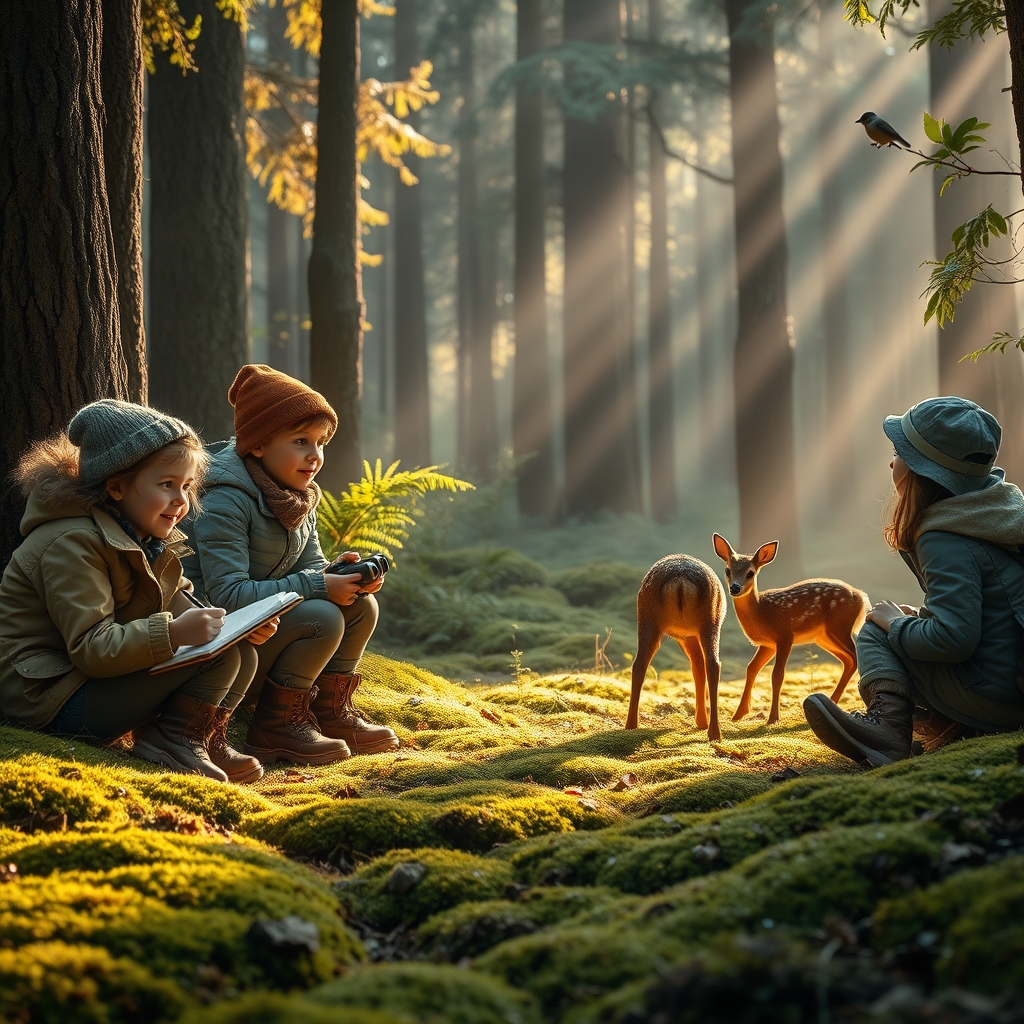
There is a quiet revolution unfolding in the dappled light of forests, along the banks of murmuring streams, and beneath the vast canopy of the sky. It is not led by textbooks or chalkboards, but by the rustling of leaves, the darting flight of a sparrow, and the patient watch of a child’s eyes. Nature schools and outdoor education programs are increasingly turning to wildlife observation as a cornerstone of eco-literacy, transforming passive learning into an immersive dialogue with the natural world. This shift is not merely about identifying species or ticking off sightings on a checklist; it is about cultivating a deep, intuitive understanding of ecosystems, interdependence, and the delicate balance that sustains life.
The Art of Seeing: Beyond Identification
At first glance, wildlife observation might seem like a simple activity—point, look, and name. But in the context of nature school curricula, it becomes something far more profound. Educators are moving beyond the traditional approach of memorizing field guides and instead encouraging children to engage in what could be called “deep seeing.” This practice involves not just recognizing a bird or insect but understanding its behavior, habitat, and role within the ecosystem. For example, a child might learn to distinguish the call of a chickadee not just by its sound but by observing how it interacts with other birds, where it forages, and how it responds to seasonal changes.
This method of learning is rooted in the philosophy of place-based education, where the local environment becomes the primary textbook. By focusing on the wildlife that inhabits their immediate surroundings, children develop a sense of connection to their place. They begin to see themselves as part of a larger community of living beings, rather than as observers separate from it. This shift in perspective is foundational to eco-literacy, as it fosters empathy, curiosity, and a sense of responsibility toward the natural world.
Sensory Immersion: The Gateway to Connection
Wildlife observation is inherently sensory. The scent of damp earth after rain, the texture of bark under fingertips, the sudden flash of color as a butterfly takes flight—these experiences engage children on a multisensory level, making learning visceral and memorable. Forest kindergarten programs and nature schools leverage this by incorporating outdoor sensory play into their curricula. Activities like “sit spots,” where children spend quiet time alone in nature, encourage them to tune into their surroundings with all their senses. Over time, this practice sharpens their ability to notice details they might otherwise overlook, such as the subtle differences in bird songs or the tracks left by nocturnal animals.
Sensory immersion also helps children develop patience and focus, skills that are increasingly rare in a world dominated by screens and instant gratification. The act of waiting for a deer to emerge from the underbrush or watching a spider weave its web teaches them that some of the most rewarding experiences in nature cannot be rushed. These moments of stillness become opportunities for reflection, allowing children to process their observations and connect them to broader ecological concepts.
From Observation to Action: Building Conservation-Minded Citizens
Eco-literacy is not just about understanding the natural world; it is about taking action to protect it. Wildlife observation serves as a bridge between knowledge and conservation. When children learn to observe animals in their natural habitats, they begin to notice changes—such as the decline of a local bird population or the disappearance of a once-common plant. These observations can spark questions: Why is this happening? What can we do to help?
Nature schools address these questions by integrating conservation-focused learning into their programs. For instance, children might participate in citizen science projects, such as monitoring bird migrations or tracking pollinator populations. These activities not only deepen their understanding of ecological processes but also empower them to contribute to real-world conservation efforts. By collecting and sharing data, they see firsthand how their observations can make a difference, reinforcing the idea that they are not just passive learners but active stewards of the environment.
The Role of Storytelling in Wildlife Observation
Storytelling is a powerful tool in outdoor experiential education, and wildlife observation provides endless material for narratives. Educators often encourage children to create stories based on their observations, whether through journaling, drawing, or oral storytelling. For example, a child might write a tale about the life of a squirrel they observed, imagining its challenges and triumphs as it navigates the forest. These stories help children process their experiences and develop a deeper emotional connection to the animals they observe.
Storytelling also serves as a way to share knowledge with others. Children might present their stories to their peers, families, or even the broader community, spreading awareness about local wildlife and the importance of conservation. This act of sharing reinforces their learning and gives them a sense of agency, as they become ambassadors for the natural world.
Integrating Wildlife Observation into Sustainable Education Models
Wildlife observation is not an isolated activity but a thread that weaves through the fabric of sustainable education models. In forest school methodology, it is integrated into broader themes such as bushcraft, ecology-focused activities, and hands-on nature study. For example, children might learn to build a shelter while observing how animals create their own homes, or they might study the life cycle of a frog while exploring a pond ecosystem. These interdisciplinary connections help children see the natural world as a web of relationships, rather than a collection of isolated facts.
Moreover, wildlife observation aligns with the principles of holistic outdoor teaching, where the goal is to nurture the whole child—intellectually, emotionally, and physically. By engaging with wildlife, children develop not only scientific knowledge but also emotional resilience, creativity, and a sense of wonder. These qualities are essential for fostering a lifelong commitment to environmental stewardship.
As the sun dips below the horizon and the forest settles into twilight, the lessons of the day linger in the minds of the children who have spent it observing the wild. They carry with them not just facts about the natural world, but a deeper understanding of their place within it. The quiet rustle of leaves, the fleeting glimpse of a fox, the patient watch of a spider—these are the silent teachers that shape their eco-literacy, one observation at a time. In a world where the boundaries between humans and nature are increasingly blurred, these moments of connection are more vital than ever, reminding us that we are all part of the same intricate, living tapestry.



