
From Roots to Resilience: Building Eco-Literacy Through Wilderness Survival Skills in Nature School Curricula
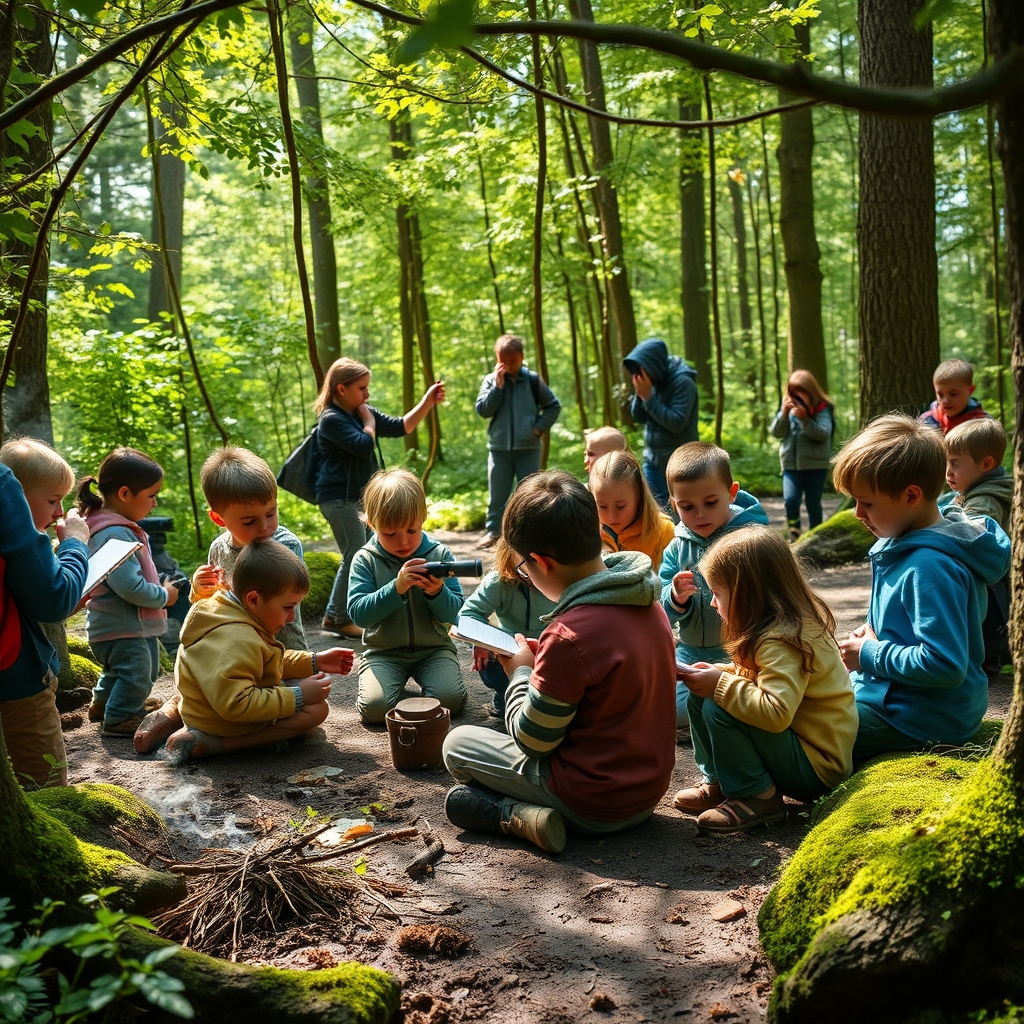
In an era where screens dominate attention and concrete jungles replace green spaces, a quiet revolution is taking root in education. Nature school curricula, particularly those integrating wilderness survival skills, are redefining how children connect with the environment. These programs don’t just teach about nature—they immerse students in it, fostering a deep, experiential understanding that textbooks alone could never provide. By blending adventure, science, and hands-on learning, these initiatives are cultivating a generation of eco-literate, resilient individuals prepared to tackle the environmental challenges of tomorrow.
The Philosophy Behind Wilderness Survival in Education
At the heart of programs like forest kindergartens and outdoor experiential education lies a simple yet profound idea: learning is most effective when it’s lived. Wilderness survival skills—such as fire-making, shelter-building, plant identification, and navigation—are not just practical tools; they are gateways to deeper ecological awareness. When children learn to start a fire using natural materials, they don’t just master a skill; they develop an appreciation for the properties of wood, the role of oxygen in combustion, and the delicate balance of ecosystems that provide these resources.
This approach aligns with the principles of place-based learning, where education is anchored in the local environment. Whether it’s a coastal forest, a desert landscape, or an urban park, the natural world becomes the classroom. Students engage with their surroundings in meaningful ways, from tracking local wildlife to understanding seasonal changes. This connection to place fosters a sense of responsibility and stewardship, as children begin to see themselves as part of the ecosystem rather than separate from it.
Eco-Literacy: More Than Just Science
Eco-literacy development goes beyond memorizing facts about the carbon cycle or endangered species. It’s about nurturing a holistic understanding of how living systems interact and how human actions impact these systems. Wilderness survival skills play a crucial role in this process by making abstract concepts tangible. For example, when students learn to identify edible plants, they also learn about pollination, seed dispersal, and the interdependence of species. These lessons are reinforced through sensory experiences—touching rough bark, smelling crushed leaves, or tasting a wild berry—that create lasting memories and emotional connections to nature.
Environmental science classrooms that incorporate these skills often see higher levels of engagement and retention. Students who might struggle with traditional academic settings thrive in hands-on nature study, where curiosity is the driving force. The confidence gained from mastering survival skills translates into a willingness to tackle complex environmental issues, from climate change to habitat conservation. Eco-literacy, in this context, becomes a tool for empowerment, equipping students with the knowledge and skills to make informed decisions about their relationship with the natural world.
The Role of Adventure in Learning
Adventure education courses are a cornerstone of many nature school curricula, offering students the opportunity to step outside their comfort zones in a safe and supportive environment. Activities like orienteering, rope courses, or overnight camping trips challenge students physically and mentally, teaching them resilience, problem-solving, and teamwork. These experiences are particularly valuable in an age where many children have limited opportunities for unstructured outdoor play.
Outdoor sensory play is another critical component of adventure-based learning. By engaging all five senses, children develop a deeper awareness of their surroundings. A simple activity like blindfolded nature walks, where students rely on touch, sound, and smell to navigate, heightens their observational skills and fosters a sense of wonder. These moments of discovery are often the ones that spark a lifelong passion for the natural world.
Bushcraft for Kids: Practical Skills for a Sustainable Future
Bushcraft—the art of living in and off the land—is increasingly being integrated into nature school programs. For children, bushcraft activities like carving, knot-tying, or foraging teach self-reliance and resourcefulness. These skills are not only practical but also instill a sense of respect for the environment. When children learn to use natural materials responsibly, they develop an understanding of sustainability that extends beyond the classroom.
Wildlife observation skills are another key aspect of bushcraft. Programs that incorporate birdwatching, tracking, or insect identification help students develop patience, attention to detail, and an appreciation for biodiversity. These activities also provide opportunities for citizen science, where students can contribute to real-world conservation efforts by recording their observations. Such experiences make learning feel relevant and meaningful, bridging the gap between education and real-world impact.
Holistic Outdoor Teaching: Nurturing Mind, Body, and Spirit
Nature-based therapy has shown that time spent outdoors can reduce stress, improve mental health, and enhance overall well-being. Holistic outdoor teaching leverages these benefits by creating learning environments that nurture the whole child. In forest kindergarten programs, for example, children spend the majority of their day outdoors, regardless of the weather. This exposure to the elements builds physical resilience while also teaching adaptability and perseverance.
Sustainable education models take this holistic approach a step further by integrating environmental ethics into every aspect of the curriculum. From composting lunch scraps to designing energy-efficient school buildings, these initiatives demonstrate that sustainability is not just a subject to be studied but a way of life. Green school initiatives, such as school gardens or renewable energy projects, provide hands-on opportunities for students to see the impact of their actions. These experiences foster a sense of agency, showing students that they have the power to create positive change in their communities.
Conservation-Focused Learning in Action
Conservation-focused learning is perhaps the most tangible outcome of nature school curricula. When students engage in activities like tree planting, stream restoration, or wildlife habitat creation, they see firsthand the difference they can make. These projects often involve collaboration with local organizations, giving students a sense of connection to their community and the broader environmental movement. The lessons learned through these experiences—empathy, responsibility, and the value of collective action—are ones that will stay with them long after they leave the classroom.
As educators and parents seek alternatives to traditional education models, nature school curricula offer a compelling vision for the future. By integrating wilderness survival skills, adventure education, and eco-literacy into the learning experience, these programs are not just teaching children about the natural world—they are preparing them to be its stewards. The challenges facing our planet are daunting, but the next generation, armed with knowledge, skills, and a deep connection to nature, may just hold the key to a more sustainable and resilient future. The seeds planted today in the soil of experiential learning will grow into the roots of tomorrow’s environmental leaders, grounding them in a wisdom that no classroom could ever replicate.



