
The Unseen Classroom: How Open Schools and Community-Based Learning Are Redefining Success
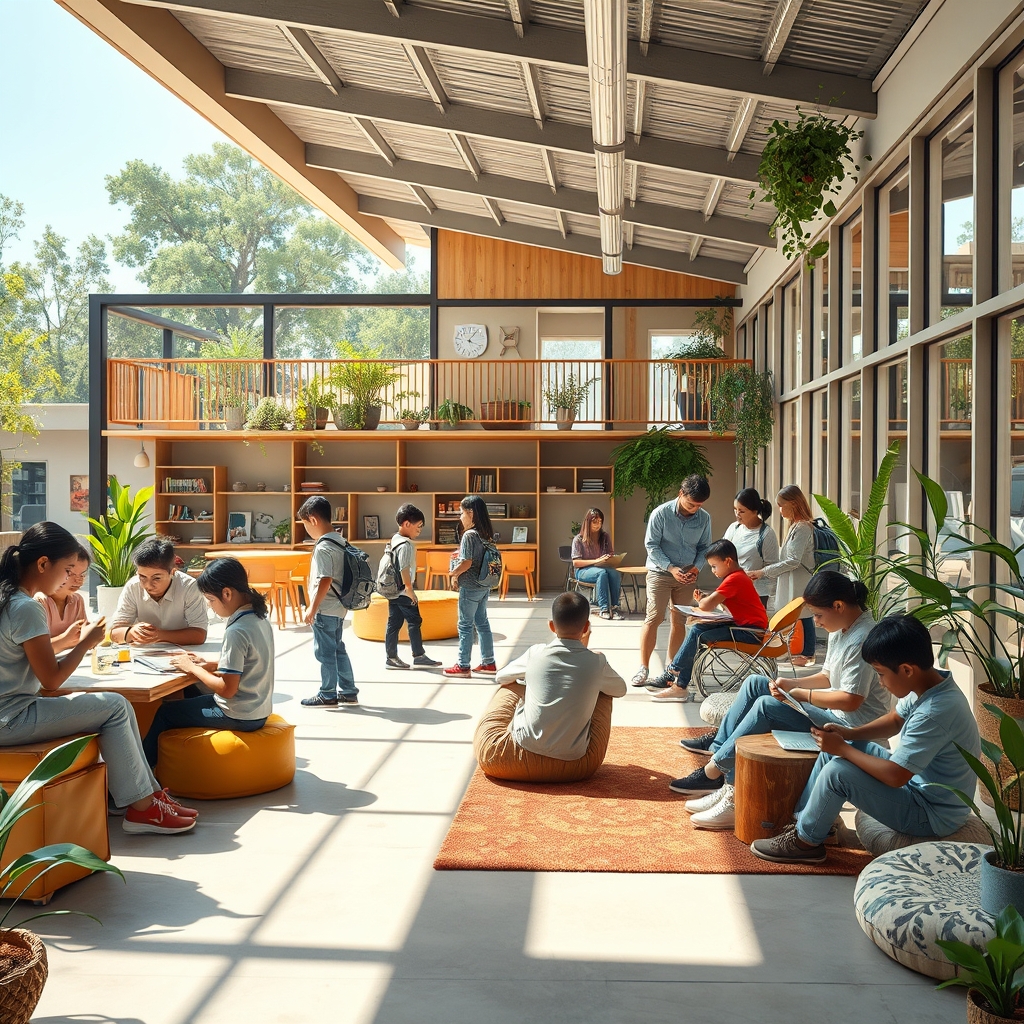
Education has long been confined to the four walls of a traditional classroom, where rigid schedules and standardized tests dictate the rhythm of learning. But what if the most profound lessons happen outside those walls? What if success isn’t measured by grades but by curiosity, resilience, and real-world impact? Open schools and community-based education models are challenging these outdated norms, proving that learning can be as boundless as the world itself.
The Philosophy Behind Open Schools
At the heart of open schooling lies a simple yet radical idea: education should adapt to the learner, not the other way around. Unlike conventional systems that enforce a one-size-fits-all approach, open schools embrace flexible curriculum and student-centered learning, allowing individuals to explore subjects at their own pace and in ways that resonate with their unique strengths. This philosophy isn’t just about academic freedom—it’s about fostering lifelong learning skills that extend far beyond textbooks.
In these environments, independent study programs and personalized study plans become the norm. Students aren’t just passive recipients of information; they’re active participants in shaping their educational journey. Whether through autonomous student research or collaborative group work, learners develop critical thinking, problem-solving, and adaptability—skills that are increasingly vital in a rapidly changing world.
Breaking Down the Classroom Walls
One of the most transformative aspects of open schooling is its rejection of the traditional classroom as the sole space for learning. Hybrid learning spaces and community-based education models blur the lines between school and the real world, turning libraries, museums, workplaces, and even nature into extensions of the learning environment. This approach not only makes education more engaging but also more relevant, as students apply their knowledge to real-world challenges.
For example, experiential learning projects might involve students designing solutions for local environmental issues, collaborating with professionals in their fields of interest, or even launching their own initiatives. These experiences don’t just teach academic concepts—they cultivate holistic student development, nurturing emotional intelligence, creativity, and a sense of agency. When students see the direct impact of their work, learning becomes a purposeful, rather than a passive, endeavor.
The Role of Inclusivity in Open Schooling
Traditional education systems often struggle to accommodate diverse learning needs, leaving many students behind. Open schools, however, prioritize inclusive classroom design, ensuring that education is accessible to all, regardless of background, ability, or learning style. Adaptive teaching strategies and competency-based progression allow students to advance based on mastery rather than age or time spent in a seat, creating a more equitable learning experience.
This inclusivity extends beyond academics. Democratic schooling models, for instance, give students a voice in shaping school policies, fostering a sense of ownership and responsibility. Meanwhile, non-traditional education approaches—such as unschooling or project-based learning—empower students to pursue their passions without the constraints of a rigid curriculum. For learners who thrive outside conventional structures, these models can be life-changing.
Leveraging Open Educational Resources
In an era where information is abundant, open schools harness the power of open educational resources (OER) to make learning more accessible and affordable. From free online courses to open-source textbooks, these resources democratize education, breaking down financial and geographical barriers. Students can explore topics beyond the standard curriculum, diving deep into subjects that ignite their curiosity.
Moreover, OER encourages autonomous student research, allowing learners to pursue self-directed projects with the guidance of mentors rather than traditional teachers. This shift from instruction to facilitation empowers students to take charge of their learning, developing the self-discipline and initiative needed for lifelong success.
The Future of Learning: A Shift in Perspective
As society evolves, so too must our approach to education. The rise of open schools and community-based learning models signals a broader cultural shift—one that values flexibility, inclusivity, and real-world relevance over rote memorization and standardized testing. These models don’t just prepare students for exams; they prepare them for life, equipping them with the skills, confidence, and adaptability to navigate an unpredictable world.
Perhaps the most compelling aspect of open schooling is its emphasis on human connection. Whether through mentorship, collaborative projects, or community engagement, these models remind us that education is not a solitary pursuit but a shared journey. When students are given the freedom to explore, the support to grow, and the space to fail, they don’t just learn—they thrive. And in a world that often prioritizes efficiency over empathy, that’s a lesson worth embracing.



