
The Quantum Leap: How AI and Microlearning Are Crafting the Future of Skill-Based Corporate Training
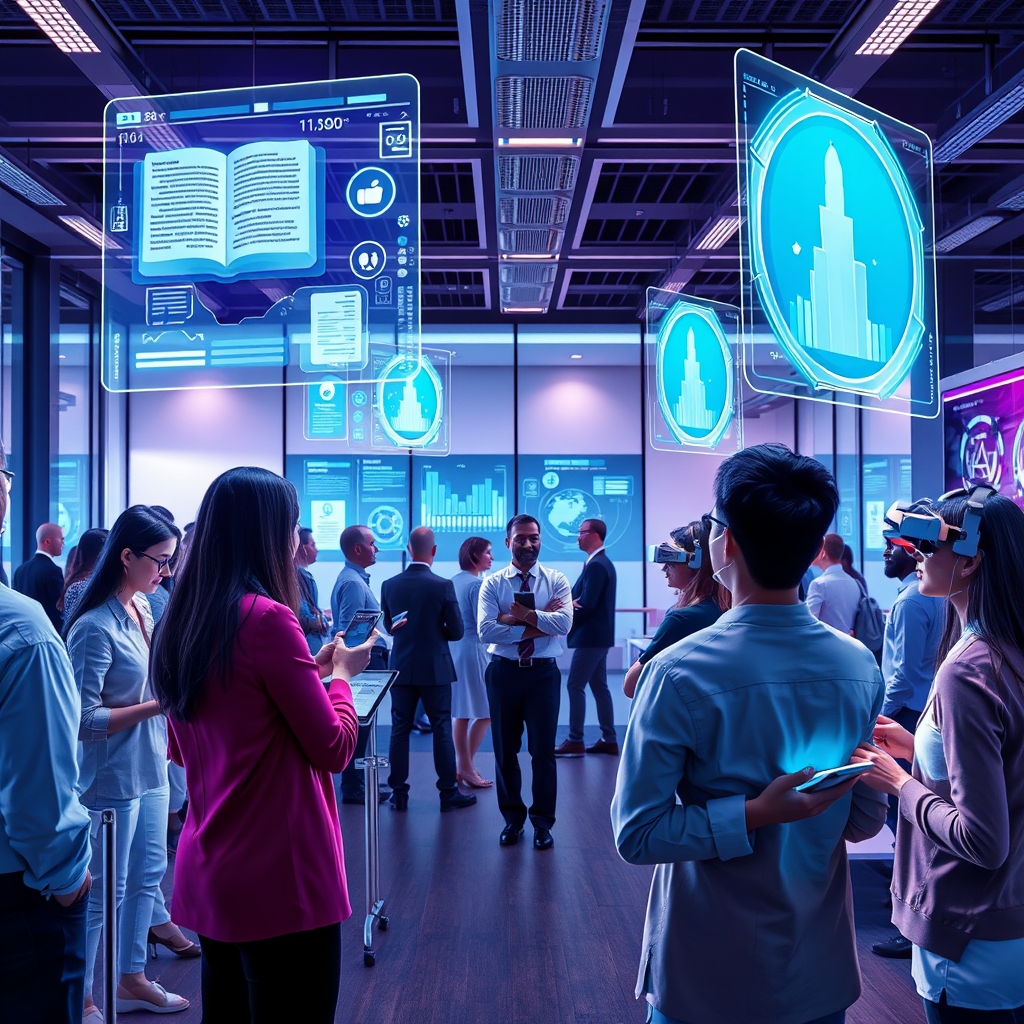
In the fast-paced world of corporate training, the traditional one-size-fits-all approach is rapidly becoming obsolete. The modern workforce demands agility, personalization, and efficiency—qualities that are now being delivered through the fusion of artificial intelligence (AI) and microlearning. This dynamic duo is not just enhancing how employees learn but is fundamentally transforming the landscape of corporate training, making it more adaptive, engaging, and results-driven than ever before.
The Microlearning Revolution
Microlearning, the practice of breaking down complex information into bite-sized, easily digestible chunks, has emerged as a game-changer in corporate training. Unlike lengthy seminars or dense manuals, microlearning modules are designed to be consumed in minutes, making them ideal for busy professionals who need to upskill on the go. These modules often take the form of short videos, interactive quizzes, or infographics, ensuring that learning is not only efficient but also engaging.
The rise of mobile learning apps has further amplified the reach of microlearning. Employees can now access training materials anytime, anywhere, whether they’re commuting, waiting for a meeting, or taking a short break. This flexibility ensures that learning becomes a seamless part of their daily routine, rather than a disruptive obligation. Moreover, microlearning aligns perfectly with the modern attention span, which has been shaped by the rapid consumption of digital content.
AI: The Invisible Architect of Personalized Learning
While microlearning provides the structure, AI acts as the invisible architect, tailoring the learning experience to the unique needs of each employee. Adaptive teaching software powered by AI analyzes an individual’s performance, learning style, and knowledge gaps to create a personalized learning path. This ensures that employees are not wasting time on concepts they already master but are instead focusing on areas where they need improvement.
For instance, an AI-driven platform might detect that a sales representative struggles with negotiation techniques. The system can then curate a series of microlearning modules specifically designed to address this skill gap, complete with interactive simulations and real-world scenarios. Over time, the AI refines its recommendations based on the employee’s progress, creating a truly dynamic and responsive learning experience.
The Role of Gamification and Digital Badges
To keep learners motivated, corporate training programs are increasingly incorporating gamification elements. Leaderboards, badges, and rewards transform the learning process into an engaging and competitive experience. Employees are not just passive recipients of information; they become active participants in their own development, driven by the desire to achieve milestones and earn recognition.
Digital badges and micro-credentials play a crucial role in this ecosystem. These badges serve as tangible proof of an employee’s skills and accomplishments, which can be shared on professional networks like LinkedIn or included in performance reviews. For employers, digital badges provide a clear and verifiable way to track skill development, ensuring that training investments translate into measurable outcomes.
Hybrid Learning Models: The Best of Both Worlds
The integration of AI and microlearning is not limited to fully digital environments. Hybrid learning models, which combine online and in-person training, are gaining traction as they offer the best of both worlds. For example, an employee might complete a series of microlearning modules online before attending a workshop where they apply those skills in a collaborative setting. AI can then assess their performance in both environments, providing a holistic view of their progress.
This blended approach is particularly effective for complex skills that require both theoretical knowledge and practical application. It also caters to different learning preferences, ensuring that employees who thrive in hands-on environments are not left behind by fully digital programs.
The Future of Corporate Training: Lifelong Learning and Beyond
As the corporate world continues to evolve, the demand for continuous learning is becoming more pronounced. Lifelong learning programs, powered by AI and microlearning, are no longer a luxury but a necessity. Companies that invest in these technologies are not just future-proofing their workforce; they are fostering a culture of growth and innovation.
Virtual tutors and interactive ebooks are also playing a pivotal role in this transformation. These tools provide on-demand support, allowing employees to seek guidance whenever they need it. Whether it’s a quick refresher on a specific topic or a deep dive into a new skill, these resources ensure that learning is always within reach.
EdTech Innovations: The Catalyst for Change
The rapid advancements in educational technology (EdTech) are accelerating the adoption of AI and microlearning in corporate training. From augmented reality (AR) simulations that allow employees to practice skills in a virtual environment to adaptive learning platforms that evolve with the learner, these innovations are making training more immersive and effective. For example, AR can be used to simulate high-stakes scenarios, such as customer interactions or emergency procedures, providing employees with a safe space to hone their skills without real-world consequences.
The shift toward skill-based certifications is another significant trend. Unlike traditional degrees, which often focus on broad knowledge areas, skill-based certifications validate specific competencies. This approach is particularly valuable in industries where rapid technological advancements require employees to continuously update their skills. AI-powered platforms can identify the most relevant certifications for each role, ensuring that employees are always equipped with the latest industry knowledge.
The convergence of AI and microlearning is not just reshaping corporate training; it is redefining what it means to learn in the modern workplace. By making education more accessible, personalized, and engaging, these technologies are empowering employees to take control of their professional development. As organizations continue to embrace these innovations, the future of corporate training will be characterized by agility, adaptability, and a relentless focus on skill mastery. In this new era, learning is no longer a one-time event but a lifelong journey, where every moment is an opportunity to grow and evolve.



