
The Seamless Symphony: How AI and Microlearning Are Orchestrating the Future of Flexible Learning Paths
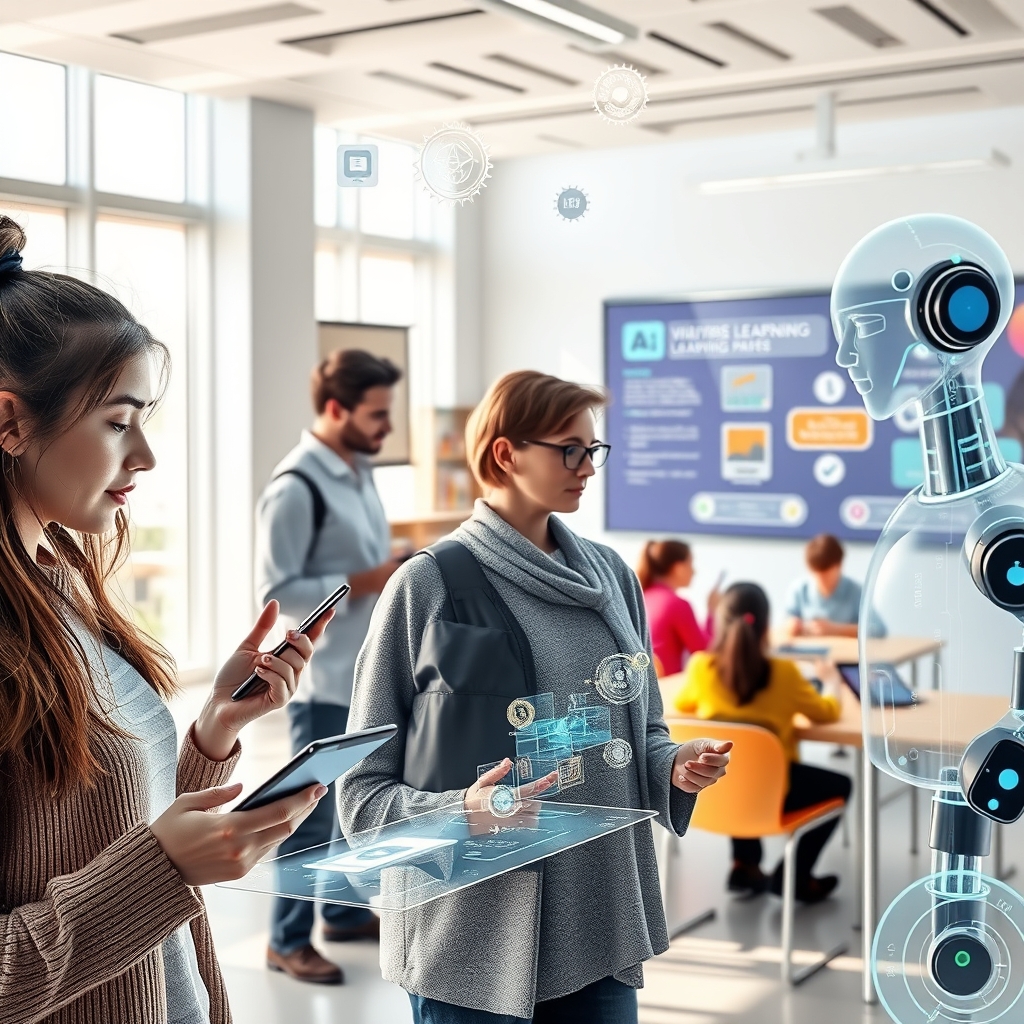
In an era where the pace of change is relentless, education is no longer confined to the rigid structures of traditional classrooms. The modern learner demands agility, personalization, and accessibility—qualities that are being delivered through the seamless integration of artificial intelligence (AI) and microlearning. Together, these innovations are not just reshaping how we learn; they are redefining the very essence of education, making it as dynamic and adaptable as the world we live in.
The Rise of Flexible Learning Paths
Flexible learning paths represent a paradigm shift in education, moving away from one-size-fits-all models to systems that adapt to the unique needs, pace, and preferences of each learner. AI-powered platforms are at the heart of this transformation, analyzing vast amounts of data to create personalized learning journeys. These systems assess a learner’s strengths, weaknesses, and learning styles, then curate content that aligns with their goals. Whether it’s a professional seeking to upskill, a student tackling a complex subject, or a lifelong learner exploring new interests, AI ensures that the path is as unique as the individual.
Microlearning, with its bite-sized, focused lessons, complements this flexibility perfectly. By breaking down complex topics into digestible chunks, it allows learners to engage with content in short bursts, fitting education into even the busiest of schedules. This approach is particularly effective in corporate training, where employees can quickly acquire new skills without disrupting their workflow. The combination of AI and microlearning creates a learning ecosystem that is not only flexible but also highly efficient, ensuring that knowledge is retained and applied effectively.
The Role of AI in Personalizing Education
At the core of flexible learning paths is the ability to personalize education at scale. AI-driven adaptive teaching software is making this possible by continuously monitoring a learner’s progress and adjusting the difficulty, format, and content of lessons in real time. For example, if a learner struggles with a particular concept, the system can provide additional resources, alternative explanations, or even switch to a different teaching method—such as gamification or interactive simulations—to reinforce understanding.
Virtual tutors, powered by AI, are another game-changer in personalized learning. These digital mentors are available 24/7, offering instant feedback, answering questions, and guiding learners through their educational journey. Unlike human tutors, they can scale infinitely, providing support to millions of learners simultaneously. This democratization of education ensures that high-quality, personalized learning is accessible to anyone, anywhere, regardless of their background or location.
Gamification and Interactive Learning
Gamification is transforming the learning experience by making it more engaging and motivating. By incorporating elements like points, badges, leaderboards, and challenges, AI-powered platforms turn education into an interactive and rewarding experience. Learners are no longer passive recipients of information; they become active participants in their own learning journey. This approach is particularly effective in mobile learning apps, where gamified content keeps users coming back, fostering a habit of continuous learning.
Interactive ebooks are another innovation that is enhancing the learning experience. These digital books go beyond static text, incorporating multimedia elements, quizzes, and simulations that allow learners to interact with the content in meaningful ways. For instance, an interactive ebook on biology might include 3D models of cells that learners can manipulate, or a history ebook could feature embedded videos and timelines that bring events to life. These tools make learning more immersive and enjoyable, increasing retention and comprehension.
The Impact on Corporate Training and Lifelong Learning
The corporate world is one of the biggest beneficiaries of AI-powered flexible learning paths. Traditional training programs often struggle to keep up with the rapid evolution of skills required in the workplace. AI-driven platforms, however, can quickly adapt to changing industry demands, ensuring that employees are always equipped with the latest knowledge and competencies. Microlearning courses, delivered through mobile apps or online platforms, allow employees to learn on the go, making training more convenient and effective.
Digital badges and micro-credentials are also gaining traction as a way to validate skills in a fast-paced job market. These credentials provide tangible proof of a learner’s abilities, making it easier for employers to identify qualified candidates. Unlike traditional degrees, which can take years to complete, micro-credentials can be earned in a matter of weeks or months, allowing professionals to stay ahead of the curve in their careers.
The Future of Hybrid Learning Models
Hybrid learning models, which blend online and in-person education, are becoming increasingly popular as institutions and organizations seek to combine the best of both worlds. AI plays a crucial role in these models by personalizing the online component, ensuring that learners receive the support they need before, during, and after in-person sessions. For example, an AI system might analyze a student’s online activity to identify areas where they need additional help, then recommend targeted resources or schedule a one-on-one session with an instructor.
Virtual and augmented reality (VR/AR) are also enhancing hybrid learning by creating immersive experiences that bridge the gap between digital and physical learning environments. VR classrooms, for instance, can simulate real-world scenarios, allowing learners to practice skills in a safe and controlled setting. AR, on the other hand, can overlay digital information onto the physical world, providing instant access to resources and guidance. These technologies are particularly valuable in fields like medicine, engineering, and aviation, where hands-on experience is critical.
As we look to the future, the fusion of AI and microlearning will continue to break down the barriers of traditional education, making learning more accessible, engaging, and effective. The rigid structures of the past are giving way to fluid, adaptable systems that empower learners to take control of their own education. In this new landscape, the possibilities are limitless, and the only constant is change. The symphony of AI and microlearning is just beginning, and its melody is one of endless potential, innovation, and transformation.



