
The Rise of the Self-Directed Learner: How AI and Micro-Credentials Are Empowering Lifelong Education Beyond Traditional Boundaries
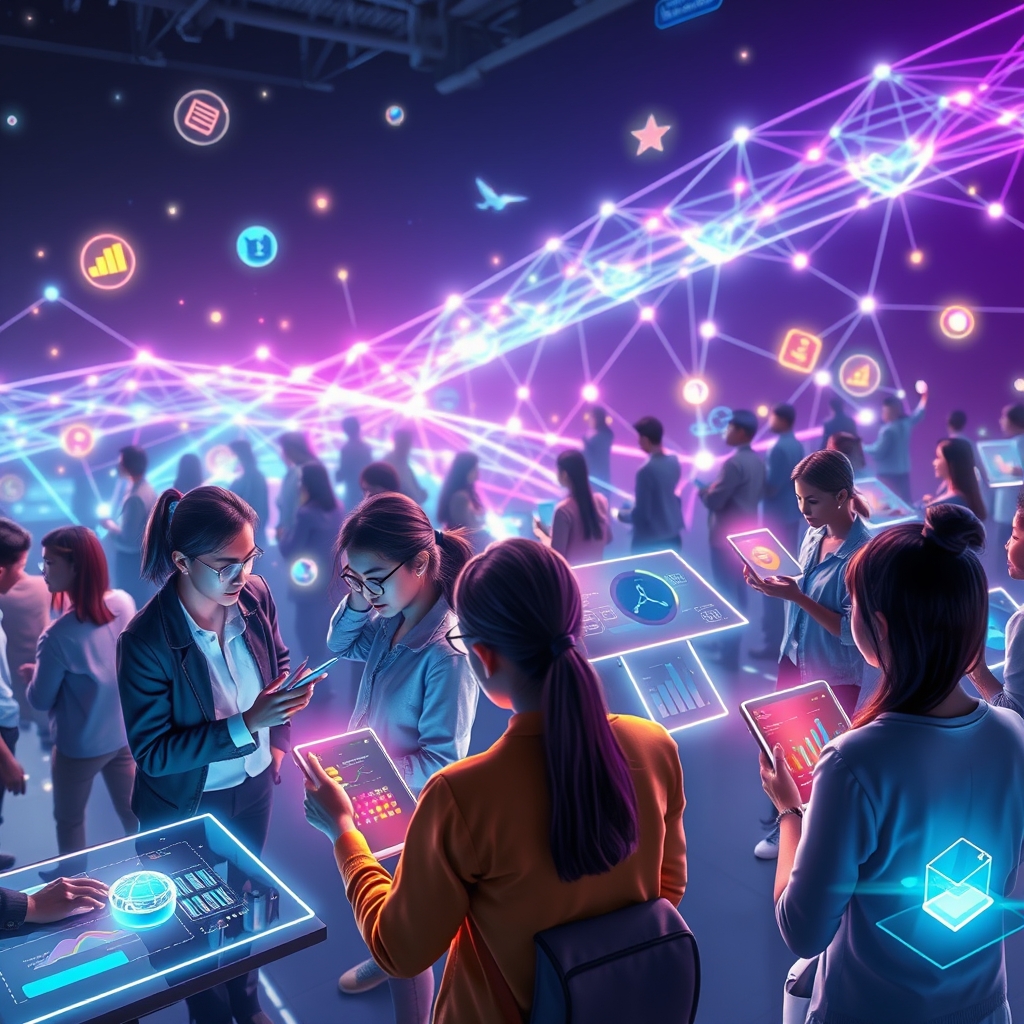
Education is no longer confined to the four walls of a classroom or the rigid structure of a semester-based curriculum. The digital age has ushered in a new era where learning is fluid, self-paced, and deeply personalized. At the heart of this transformation lies the convergence of artificial intelligence (AI) and micro-credentials, two forces that are redefining how knowledge is acquired, validated, and applied in the real world. Together, they are dismantling the traditional barriers of education, making it more accessible, adaptable, and aligned with the demands of a rapidly evolving global economy.
The AI-Powered Learning Ecosystem
Artificial intelligence has become the backbone of modern education, enabling systems that adapt to individual learning styles, pace, and preferences. Unlike the one-size-fits-all approach of traditional education, AI-powered platforms analyze vast amounts of data to create dynamic learning experiences. These systems track progress, identify knowledge gaps, and adjust content in real time, ensuring that learners receive the right information at the right moment. Whether it’s through adaptive teaching software that tailors lessons to a student’s strengths or virtual tutors that provide instant feedback, AI is making education more intuitive and responsive than ever before.
One of the most significant advantages of AI in education is its ability to democratize learning. Mobile learning apps and microlearning courses have made it possible for anyone with a smartphone to access high-quality education, regardless of their location or schedule. This shift is particularly impactful for professionals who need to upskill or reskill quickly to stay competitive in their fields. AI-driven platforms can curate personalized learning paths that align with career goals, ensuring that learners acquire relevant skills without wasting time on irrelevant content.
The Micro-Credential Revolution
While AI is transforming how we learn, micro-credentials are revolutionizing how we validate and showcase that learning. Unlike traditional degrees, which often require years of study and significant financial investment, micro-credentials offer a more agile and cost-effective way to demonstrate expertise. These bite-sized certifications focus on specific skills or competencies, allowing learners to build their knowledge incrementally and apply it immediately in their careers.
The rise of digital badges and skill-based certifications has further enhanced the value of micro-credentials. These badges serve as verifiable proof of mastery, making it easier for employers to assess a candidate’s capabilities. For learners, they provide a tangible way to showcase their achievements and stand out in a competitive job market. Platforms like Coursera, Udacity, and LinkedIn Learning have embraced this model, offering micro-credentials in everything from data science to project management, often in collaboration with industry leaders.
The Synergy of AI and Micro-Credentials
The true power of this educational shift lies in the synergy between AI and micro-credentials. AI-driven platforms can recommend micro-credentials based on a learner’s goals, past performance, and market demand. For example, an AI system might suggest a certification in digital marketing for someone interested in entrepreneurship or a course in cybersecurity for an IT professional looking to advance their career. This personalized guidance ensures that learners are not only acquiring skills but also building a portfolio of credentials that align with their aspirations.
Moreover, AI can help learners navigate the vast landscape of micro-credentials by identifying high-quality programs and filtering out less reputable ones. This is particularly important in a space where the sheer volume of options can be overwhelming. By leveraging AI, learners can make informed decisions about which credentials will provide the most value, both in terms of knowledge gained and career advancement.
Corporate Training and Lifelong Learning
The impact of AI and micro-credentials extends beyond individual learners to organizations and institutions. Companies are increasingly adopting these tools to create agile workforces capable of adapting to technological advancements and market shifts. Online corporate training programs powered by AI can deliver personalized learning experiences to employees, ensuring that they acquire the skills needed to excel in their roles. Micro-credentials, in turn, provide a way to measure and recognize these skills, fostering a culture of continuous learning within organizations.
Lifelong learning programs are also benefiting from this shift. Universities and educational institutions are partnering with edtech companies to offer micro-credentials that complement traditional degrees. This hybrid approach allows learners to pursue education in a way that fits their lifestyle, whether they are working professionals, stay-at-home parents, or retirees looking to explore new interests. The flexibility of these programs ensures that education remains a lifelong pursuit, not just a phase of life.
The Future of Learning: A Personalized Journey
The future of education is not about replacing traditional systems but about augmenting them with tools that make learning more personalized, accessible, and effective. AI and micro-credentials are at the forefront of this evolution, offering a glimpse into a world where education is no longer a one-time event but a continuous journey. As these technologies continue to advance, they will unlock new possibilities for learners of all ages and backgrounds, empowering them to take control of their educational destinies.
The rise of the self-directed learner is not just a trend but a fundamental shift in how we approach education. With AI as a guide and micro-credentials as milestones, the path to knowledge is becoming more flexible, more rewarding, and more aligned with the needs of the modern world. The question is no longer whether we can learn but how we choose to embark on that journey, armed with the tools and opportunities that make lifelong learning not just possible, but inevitable.



