
The Pulse of Progress: How AI and Microlearning Are Crafting the Future of Corporate Agility
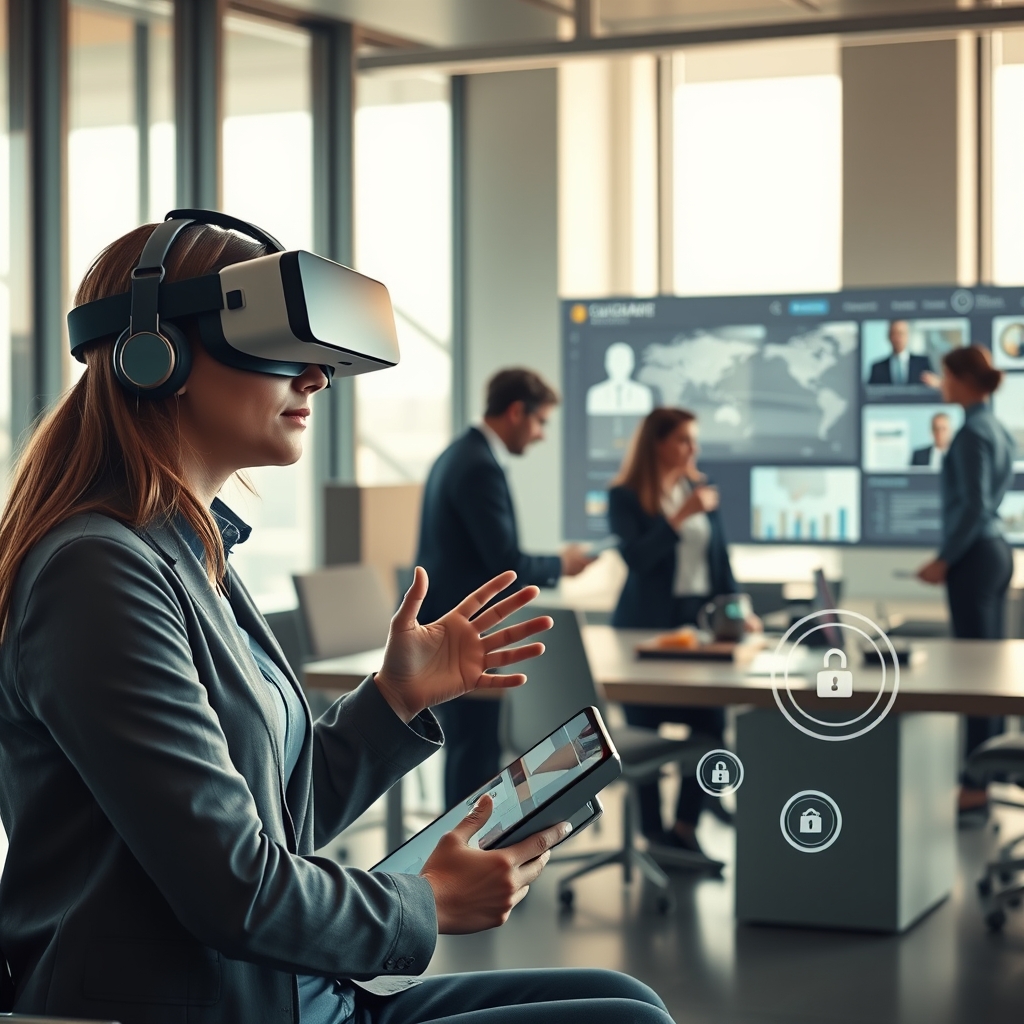
In an era where change is the only constant, the corporate world is undergoing a seismic shift in how it approaches learning and development. The traditional model of rigid, one-size-fits-all training programs is being dismantled, replaced by a dynamic, agile framework powered by artificial intelligence and microlearning. This transformation is not just about keeping pace with technological advancements; it’s about redefining what it means to be a learner in the modern workplace, where adaptability is the new currency of success.
The Microlearning Revolution: Bite-Sized Wisdom for the Fast-Paced World
Microlearning has emerged as the antidote to the overwhelming demands of today’s fast-paced corporate environment. By breaking down complex topics into digestible, bite-sized modules, employees can absorb knowledge in short bursts, fitting learning seamlessly into their workflow. This approach is not just convenient; it’s scientifically backed. Research shows that the human brain retains information more effectively when it’s presented in small, focused chunks. AI takes this a step further by analyzing individual learning patterns and delivering content that aligns with each employee’s unique pace and preferences, ensuring that no one is left behind or held back.
Imagine a sales team preparing for a product launch. Instead of sitting through a day-long training session, they receive a series of 5-minute videos, interactive quizzes, and scenario-based simulations, all tailored to their specific roles. The result? Higher engagement, better retention, and a team that’s ready to hit the ground running. This is the power of microlearning—it transforms learning from a disruptive event into an integrated, ongoing process.
AI as the Architect of Personalized Learning Paths
At the heart of this revolution is artificial intelligence, which acts as the invisible architect of personalized learning paths. AI-driven platforms can assess an employee’s current skill set, identify gaps, and recommend targeted microlearning modules to bridge those gaps. This level of personalization ensures that learning is not just relevant but also timely. For instance, an AI system might detect that a project manager is struggling with a new software tool and immediately suggest a series of micro-courses to address the issue before it impacts productivity.
But AI’s role doesn’t stop at personalization. It also enables real-time feedback, allowing employees to track their progress and adjust their learning strategies on the fly. This adaptive approach ensures that learning is not a static process but a dynamic, evolving journey. It’s like having a personal coach who understands your strengths, weaknesses, and learning style, guiding you every step of the way.
The Rise of Skill-Based Certifications: Validating Competence in Real Time
As the corporate landscape evolves, so too does the way we validate skills. Traditional degrees and certifications are no longer the sole indicators of competence. Instead, skill-based certifications and digital badges are gaining traction as more accurate and flexible measures of an employee’s capabilities. These credentials are often earned through microlearning modules and can be updated in real time as employees acquire new skills.
For employers, this shift offers a more granular view of their workforce’s capabilities, enabling them to make data-driven decisions about promotions, project assignments, and training investments. For employees, it provides a tangible way to showcase their expertise and stay competitive in an ever-changing job market. The result is a more agile, responsive workforce where skills are continuously validated and refined.
Hybrid Learning Models: Blending the Best of Both Worlds
While digital learning has taken center stage, the future of corporate training lies in hybrid learning models that blend online and offline experiences. AI-powered platforms can seamlessly integrate virtual reality (VR) simulations, augmented reality (AR) experiences, and gamified learning modules with traditional in-person workshops. This hybrid approach ensures that employees benefit from the best of both worlds— the flexibility of digital learning and the engagement of face-to-face interactions.
For example, a company might use VR to simulate high-stakes negotiations, allowing employees to practice their skills in a risk-free environment. This can be followed by an in-person debrief session where teams discuss their experiences and learn from one another. By combining these modalities, organizations can create a rich, immersive learning experience that caters to diverse learning styles and preferences.
The Future of Corporate Agility: A Culture of Continuous Learning
The true power of AI and microlearning lies in their ability to foster a culture of continuous learning. In this new paradigm, learning is not an isolated event but an ongoing process that is deeply embedded in the fabric of daily work. Employees are encouraged to embrace a growth mindset, where curiosity and adaptability are valued as much as technical expertise. This shift is not just about staying relevant; it’s about thriving in an environment where change is the only constant.
As organizations continue to navigate the complexities of the digital age, those that prioritize agile learning frameworks will be best positioned to succeed. By leveraging AI and microlearning, they can create a workforce that is not only skilled but also resilient, innovative, and ready to tackle the challenges of tomorrow. The future of corporate training is not just about keeping up—it’s about leading the way, one micro-lesson at a time.



