
The Future of Learning Unfolded: How AI, Microlearning, and Interactive Ebooks Are Crafting the Next Chapter of Education
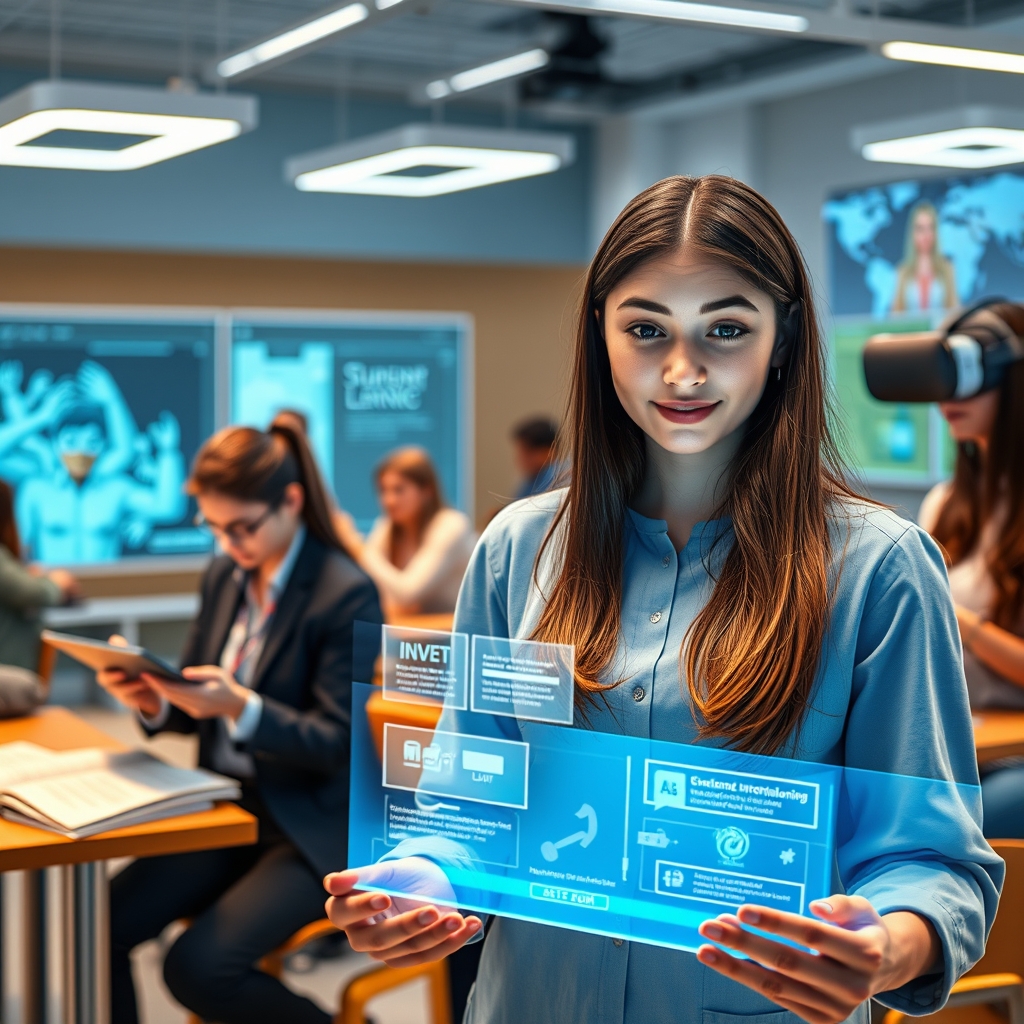
The landscape of education is undergoing a profound transformation, driven by the relentless march of technology and the evolving needs of learners. At the heart of this revolution lies a trio of powerful forces: artificial intelligence, microlearning, and interactive ebooks. Together, they are not just reshaping how knowledge is delivered but also redefining the very essence of learning itself. As we stand on the precipice of this new era, it’s worth exploring how these innovations are crafting a future where education is more accessible, engaging, and tailored to individual needs than ever before.
The AI-Powered Learning Revolution
Artificial intelligence has emerged as a cornerstone of modern education, offering unprecedented opportunities for personalization and efficiency. AI-powered learning systems are no longer a futuristic concept but a tangible reality, capable of adapting to the unique pace, style, and preferences of each learner. These systems analyze vast amounts of data to identify patterns in a student’s performance, pinpointing strengths and weaknesses with remarkable precision. By doing so, they can dynamically adjust the curriculum, ensuring that learners are neither overwhelmed nor underchallenged.
One of the most compelling applications of AI in education is the rise of virtual tutors. These digital mentors provide real-time feedback, answer questions, and even offer emotional support, creating a learning experience that feels both personal and responsive. Unlike traditional classroom settings, where a single teacher must cater to the needs of many, virtual tutors can devote their full attention to an individual, fostering a deeper connection and more effective learning outcomes. This level of personalization is particularly valuable in corporate training, where employees often have diverse backgrounds and learning needs.
The Microlearning Movement
In an age where attention spans are shrinking and time is a precious commodity, microlearning has emerged as a game-changer. This approach breaks down complex topics into bite-sized, easily digestible modules that can be completed in minutes rather than hours. Microlearning courses are designed to fit seamlessly into the busiest of schedules, making it possible for learners to acquire new skills or knowledge during a commute, a lunch break, or even while waiting in line.
The beauty of microlearning lies in its flexibility. Learners can focus on specific topics without the need to commit to lengthy courses, and they can revisit modules as often as needed to reinforce their understanding. This approach is particularly effective in corporate training, where employees need to quickly upskill or reskill to keep pace with industry demands. Digital badges and micro-credentials further enhance the value of microlearning by providing tangible proof of mastery, which can be shared with employers or added to professional profiles.
The Role of Gamification
Gamification has become a powerful tool in making microlearning more engaging and effective. By incorporating elements such as points, leaderboards, and rewards, educators can transform even the driest of subjects into an interactive and enjoyable experience. Gamification taps into the natural human desire for achievement and competition, motivating learners to stay engaged and persist through challenges. This approach is particularly effective in mobile learning apps, where users can earn badges or unlock new levels as they progress through their learning journey.
Interactive Ebooks: A New Dimension of Learning
Interactive ebooks represent another leap forward in the evolution of education. Unlike traditional textbooks, which are static and one-dimensional, interactive ebooks bring content to life through multimedia elements such as videos, animations, quizzes, and simulations. These features not only make learning more engaging but also cater to different learning styles, whether visual, auditory, or kinesthetic.
For example, an interactive ebook on biology might include a 3D animation of a cell, allowing students to explore its structure in detail. A history ebook could feature embedded videos of historical events, providing a richer context than text alone. These immersive experiences deepen understanding and retention, making complex concepts easier to grasp. Moreover, interactive ebooks can be updated in real-time, ensuring that learners always have access to the most current information.
The Synergy of Hybrid Learning Models
The integration of AI, microlearning, and interactive ebooks is further amplified by hybrid learning models, which blend the best of online and offline education. These models offer the flexibility of digital learning while preserving the benefits of face-to-face interaction. For instance, a student might complete microlearning modules at home and then attend a virtual reality classroom to collaborate with peers and instructors in a simulated environment. This hybrid approach ensures that learners receive a well-rounded education that combines the convenience of technology with the human touch.
The Future of Lifelong Learning
As the pace of technological change accelerates, the concept of lifelong learning has never been more relevant. The skills that are in demand today may become obsolete tomorrow, making continuous education a necessity rather than a luxury. AI-powered learning systems, microlearning, and interactive ebooks are perfectly suited to support this ongoing journey, offering learners the tools they need to stay ahead in an ever-evolving world.
Corporate training programs are already leveraging these innovations to create agile workforces capable of adapting to new challenges. Online degree programs and skill-based certifications are making it easier for professionals to pivot their careers or deepen their expertise without putting their lives on hold. Meanwhile, mobile learning apps and microlearning courses provide on-the-go access to knowledge, ensuring that learning can happen anytime, anywhere.
The future of education is not just about acquiring knowledge but about fostering a mindset of continuous growth and adaptability. As AI, microlearning, and interactive ebooks continue to evolve, they will unlock new possibilities for learners of all ages and backgrounds. The classroom of tomorrow may look vastly different from what we know today, but one thing is certain: it will be more dynamic, inclusive, and empowering than ever before. The tools to shape this future are already at our fingertips, and the journey has only just begun. The question is no longer whether we can transform education, but how far we are willing to go to make it a reality for everyone.



