
The Pulse of Modern Education: How AI and Gamification Are Crafting the Next Generation of Skill Mastery
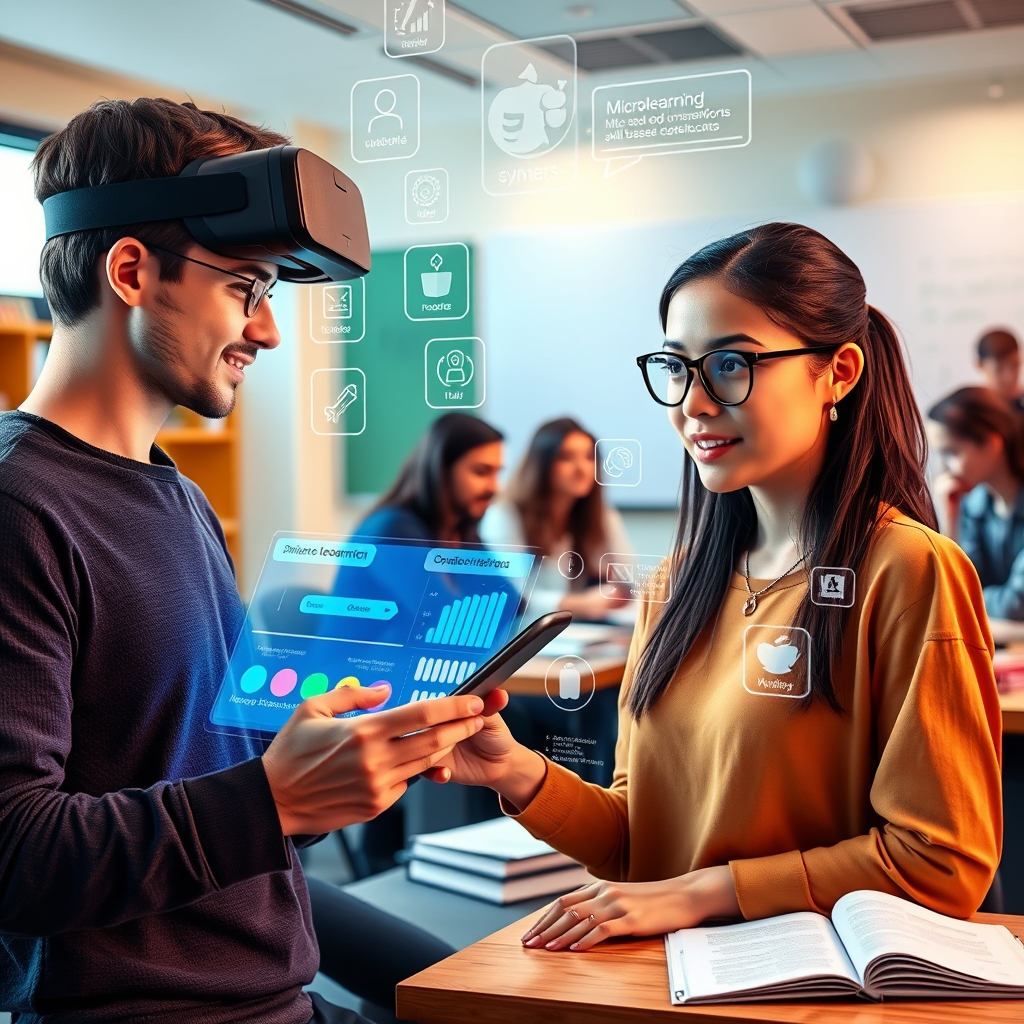
The digital transformation of education is not just a trend—it’s a seismic shift in how knowledge is acquired, skills are honed, and learners engage with content. At the heart of this evolution lies the fusion of artificial intelligence and gamification, two forces that are redefining the boundaries of personalized learning. No longer confined to static textbooks or one-size-fits-all lectures, today’s learners are stepping into dynamic, interactive environments where every challenge is an opportunity, and every milestone is a badge of progress.
The Gamification Revolution: Turning Learning into a Quest
Gamification isn’t just about adding points and leaderboards to learning platforms—it’s about tapping into the innate human desire for achievement, competition, and recognition. By integrating game-like elements such as challenges, rewards, and progress tracking, educators and edtech developers are transforming mundane lessons into engaging quests. Imagine a history lesson where students earn digital badges for solving puzzles based on historical events, or a coding course where learners level up by debugging complex algorithms. These mechanics don’t just make learning fun; they create a sense of accomplishment that fuels motivation and retention.
Platforms like Duolingo and Khan Academy have already demonstrated the power of gamification in education. Duolingo, for instance, uses streaks, rewards, and a friendly mascot to keep users coming back day after day. The result? Millions of learners who not only stick with their language studies but also enjoy the process. This is the magic of gamification—it turns passive learners into active participants, eager to conquer the next challenge.
AI: The Invisible Architect of Personalized Learning
While gamification captures the imagination, AI is the silent force shaping the future of education behind the scenes. Adaptive teaching software, powered by machine learning algorithms, analyzes a learner’s strengths, weaknesses, and preferences to tailor content in real time. Whether it’s adjusting the difficulty of math problems or recommending supplementary resources, AI ensures that no two learning journeys are alike. This level of personalization was once a pipe dream, but today, it’s a reality that’s making education more accessible and effective than ever before.
Take, for example, platforms like ScribeSense and Century Tech, which use AI to create bespoke learning paths for students. ScribeSense, an AI-powered writing assistant, provides real-time feedback on essays, helping students refine their skills without waiting for a teacher’s red pen. Century Tech, on the other hand, uses AI to identify gaps in a student’s knowledge and delivers targeted lessons to fill them. These tools don’t replace educators; they empower them, freeing up time to focus on mentorship and critical thinking rather than rote instruction.
The Rise of Micro-Credentials: Skills Over Degrees
In a world where skills become obsolete faster than ever, traditional degrees are no longer the sole measure of expertise. Enter micro-credentials and digital badges—compact, verifiable certifications that validate specific skills or knowledge. Unlike degrees, which can take years to earn, micro-credentials can be completed in weeks or even days, making them ideal for professionals looking to upskill or pivot careers quickly. Platforms like Coursera, Udacity, and LinkedIn Learning have embraced this model, offering badges and certificates in everything from data science to digital marketing.
What makes micro-credentials particularly powerful is their alignment with the demands of the modern workforce. Employers are increasingly prioritizing skills over pedigree, and micro-credentials provide a tangible way to demonstrate proficiency. For learners, this means greater flexibility and control over their education. Whether it’s mastering a new programming language or earning a certification in project management, micro-credentials allow individuals to build a portfolio of skills that keeps pace with the evolving job market.
Hybrid Learning: The Best of Both Worlds
The pandemic accelerated the adoption of hybrid learning models, but their benefits extend far beyond crisis response. Hybrid learning combines the structure of traditional classrooms with the flexibility of online education, creating a learning experience that adapts to the needs of diverse learners. For some, this might mean attending in-person lectures while supplementing with online modules. For others, it could involve live virtual sessions with peers from around the world, followed by self-paced study.
AI plays a crucial role in making hybrid learning seamless. Adaptive platforms can sync progress across in-person and online environments, ensuring that learners receive consistent support regardless of how they engage with the material. For example, a student might complete a quiz online and receive instant feedback, while their in-person instructor uses that data to provide targeted guidance during the next class. This blend of human interaction and technological precision creates a learning ecosystem that is both dynamic and inclusive.
The Future of Learning: A Symphony of Innovation
The convergence of AI, gamification, and micro-credentials is not just changing how we learn—it’s redefining what it means to be educated. In this new landscape, learning is no longer a linear path but a dynamic, ever-evolving journey. It’s about embracing curiosity, celebrating progress, and recognizing that mastery is not a destination but a continuous process. As technology continues to advance, the possibilities for education are limitless. The question is no longer whether these innovations will shape the future of learning, but how we can harness them to create a world where education is accessible, engaging, and empowering for all.
In this era of rapid change, the most valuable skill of all may be the ability to adapt. And with AI and gamification leading the way, the tools to master that skill have never been more within reach.



