
The New Era of Corporate Training: How AI and Microlearning Are Crafting Agile Workforces for the Digital Age
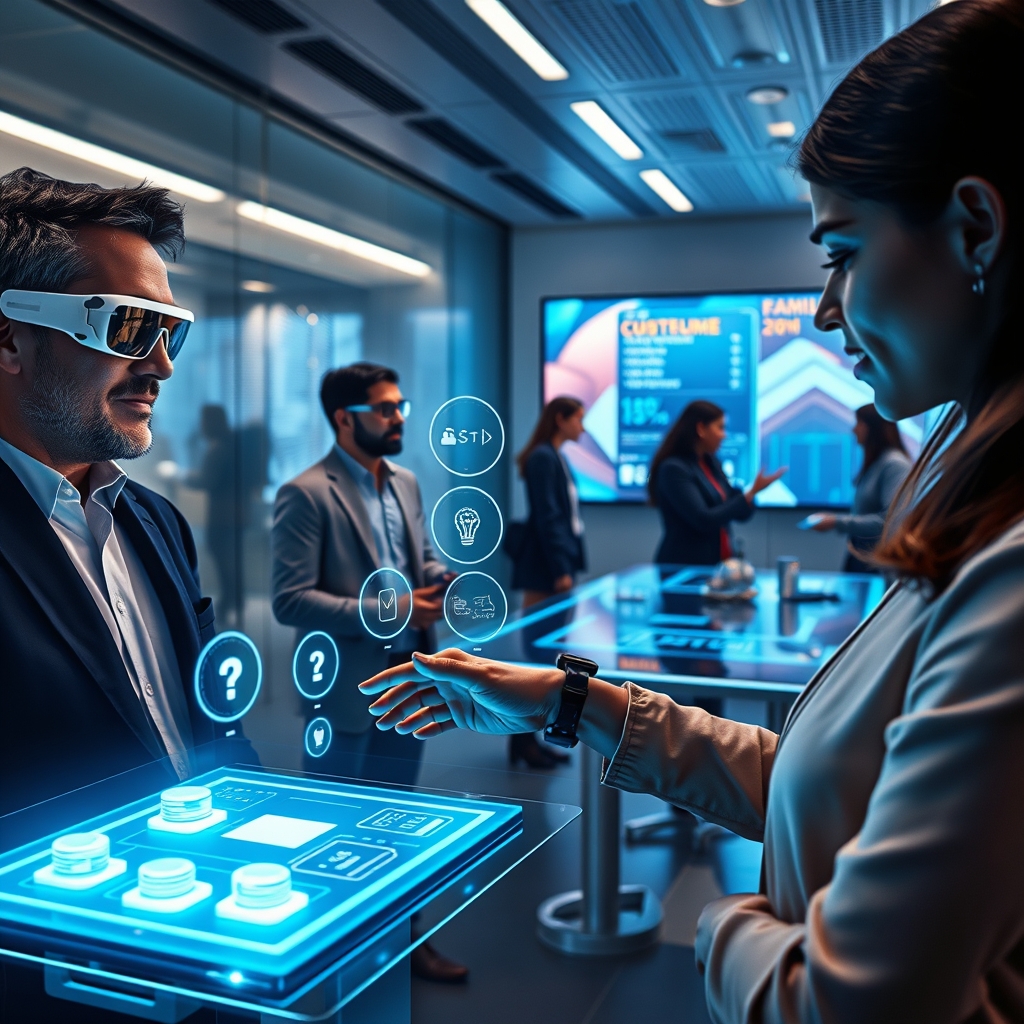
In an era where technological advancements are reshaping industries at an unprecedented pace, the traditional models of corporate training are rapidly becoming obsolete. The one-size-fits-all approach, characterized by lengthy seminars and static e-learning modules, no longer meets the dynamic needs of modern workforces. Instead, organizations are turning to innovative solutions that leverage artificial intelligence (AI) and microlearning to create agile, responsive, and highly effective training programs. These advancements are not just enhancing the way employees learn but are fundamentally transforming the very fabric of corporate upskilling.
The Shift Toward Microlearning: Bite-Sized Knowledge for the Modern Learner
The concept of microlearning is rooted in the understanding that the human brain is better equipped to process and retain information in small, focused bursts. Unlike traditional training methods that often overwhelm learners with hours of content, microlearning delivers knowledge in concise, targeted segments—typically ranging from a few seconds to 15 minutes. This approach aligns perfectly with the fast-paced, distraction-filled environments of today’s workplaces, where employees often struggle to find time for extended learning sessions.
Microlearning is not merely about breaking down content into smaller pieces; it’s about designing learning experiences that are engaging, relevant, and immediately applicable. For instance, a sales team might receive a 5-minute video on negotiation tactics, followed by a quick interactive quiz to reinforce key concepts. This method ensures that learners can quickly absorb and apply new skills without disrupting their workflow. Moreover, microlearning modules can be easily updated to reflect the latest industry trends, ensuring that employees always have access to the most current information.
AI-Powered Personalization: Tailoring Learning to Individual Needs
While microlearning addresses the need for flexibility and accessibility, AI takes corporate training to the next level by introducing a layer of personalization that was previously unimaginable. AI-powered learning platforms analyze vast amounts of data—such as an employee’s role, performance metrics, learning preferences, and even their engagement levels—to create customized learning paths. These systems can identify knowledge gaps and recommend specific microlearning modules to address them, ensuring that each employee receives training that is directly relevant to their needs.
For example, an AI-driven platform might detect that a software developer is struggling with a particular programming language. Instead of requiring them to sit through a generic course, the system could curate a series of microlearning modules focused on that specific language, interspersed with hands-on coding exercises. This level of personalization not only accelerates skill acquisition but also boosts learner motivation by making the training experience more engaging and rewarding.
The Role of Gamification in Enhancing Engagement
One of the most significant challenges in corporate training is maintaining employee engagement. Traditional training methods often fail to capture the interest of learners, leading to low completion rates and limited knowledge retention. Gamification— the integration of game-like elements such as points, badges, leaderboards, and challenges—has emerged as a powerful tool to address this issue. When combined with microlearning and AI, gamification transforms training from a mundane obligation into an interactive and competitive experience.
Consider a scenario where employees earn digital badges for completing microlearning modules, with their progress displayed on a leaderboard. This not only fosters a sense of achievement but also encourages healthy competition among team members. AI can further enhance this experience by dynamically adjusting the difficulty of challenges based on an employee’s performance, ensuring that the learning experience remains both challenging and achievable. The result is a workforce that is not only more skilled but also more motivated and engaged.
Hybrid Learning Models: Blending the Best of Digital and Human Interaction
While AI and microlearning are revolutionizing corporate training, they are not meant to replace human interaction entirely. Instead, the most effective training programs are those that adopt a hybrid learning model, combining the scalability and personalization of digital tools with the nuance and empathy of human-led instruction. For instance, an AI-powered platform might handle the bulk of the training, delivering personalized microlearning modules, while human instructors step in for live workshops, mentoring sessions, or collaborative projects.
This hybrid approach is particularly valuable in complex training scenarios, such as leadership development or soft skills training, where human interaction plays a crucial role. For example, an AI system might provide foundational knowledge on emotional intelligence through microlearning modules, while a human facilitator leads a workshop on applying these concepts in real-world scenarios. By blending digital and human elements, organizations can create training programs that are both efficient and deeply impactful.
The Rise of Skill-Based Certifications and Digital Badges
As the corporate world shifts toward a skills-based economy, traditional degrees and certifications are no longer the sole indicators of an employee’s capabilities. Instead, organizations are increasingly valuing skill-based certifications and digital badges that provide tangible proof of an individual’s competencies. These credentials, often earned through microlearning and AI-driven training programs, offer a more granular and up-to-date representation of an employee’s skills.
Digital badges, in particular, have gained traction as a way to recognize and validate the completion of microlearning modules. These badges can be shared on professional networks like LinkedIn, providing employees with a way to showcase their continuous learning efforts. For employers, skill-based certifications offer a clear and objective way to assess an employee’s readiness for specific roles or projects, making talent management more efficient and effective.
The Future of Corporate Training: A Continuous Learning Ecosystem
The integration of AI, microlearning, and hybrid learning models is not just a trend but a fundamental shift in how corporate training is conceived and delivered. The future of workplace learning lies in creating a continuous learning ecosystem—one where employees have access to personalized, on-demand training that evolves alongside their careers. In this ecosystem, AI acts as a silent mentor, guiding learners through their professional journeys, while microlearning ensures that knowledge is always within reach, no matter how busy or demanding their schedules may be.
Organizations that embrace these innovations will not only stay ahead of the curve but will also foster a culture of lifelong learning, where employees are empowered to grow, adapt, and thrive in an ever-changing world. The tools and technologies are already here; the question is whether businesses will seize the opportunity to redefine what corporate training can achieve. As the boundaries between learning and working continue to blur, the most successful companies will be those that recognize that the future of work is not just about what employees know today, but how quickly they can learn tomorrow.



