
The Unseen Advantages of Asynchronous Classrooms in a Synchronous World
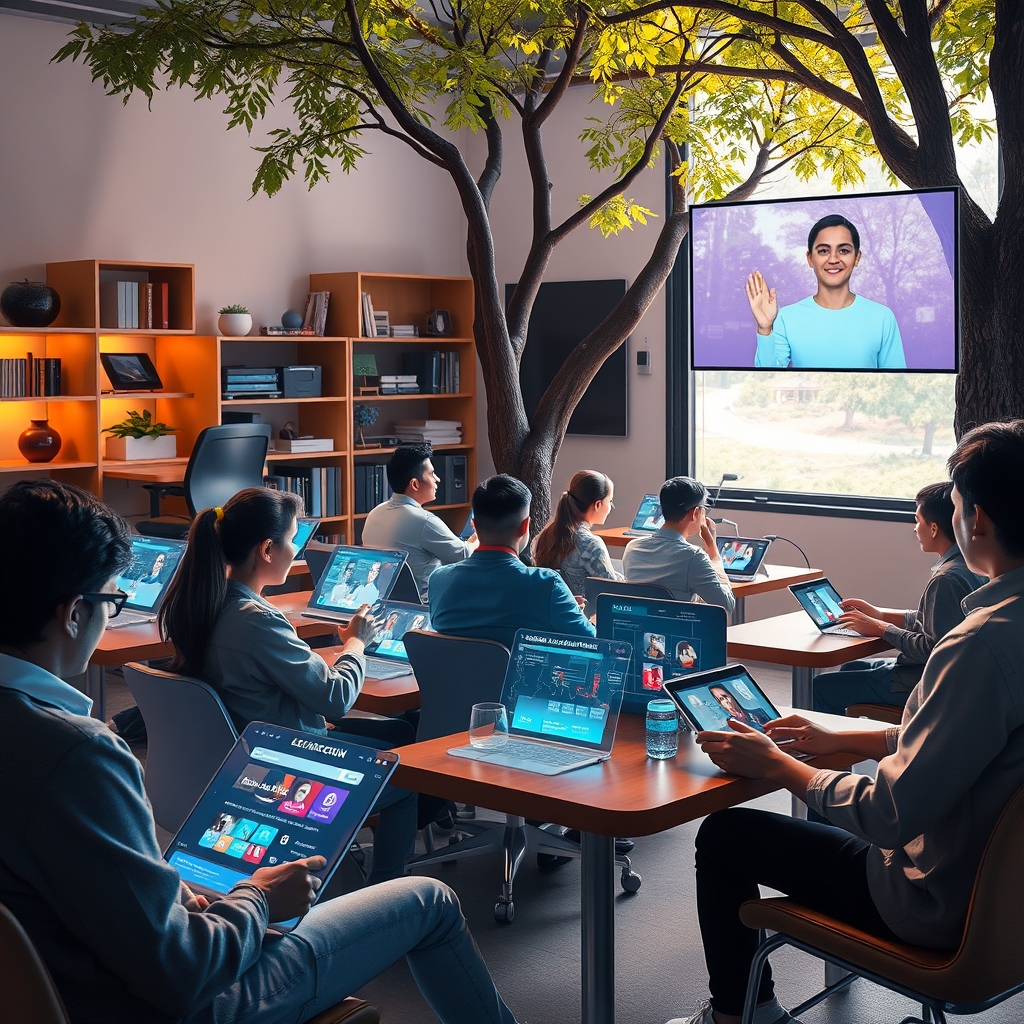
In an era where real-time communication dominates both professional and personal spheres, the quiet revolution of asynchronous classrooms often goes unnoticed. Yet, these digital learning environments are reshaping the educational landscape by offering unparalleled flexibility, accessibility, and personalized learning experiences. Unlike traditional or synchronous online classes, asynchronous classrooms allow students to engage with course material, participate in discussions, and complete assignments on their own schedule, breaking free from the constraints of time zones and rigid schedules.
The Freedom of Self-Paced Learning
One of the most significant advantages of asynchronous classrooms is the ability to learn at one’s own pace. Self-paced modules empower students to spend more time on challenging topics while swiftly moving through material they grasp quickly. This flexibility is particularly beneficial for non-traditional students—such as working professionals, parents, or those with disabilities—who may struggle to adhere to a fixed class schedule. By removing the pressure of keeping up with a live lecture, asynchronous learning fosters a deeper understanding of the subject matter and reduces the anxiety often associated with traditional classroom settings.
Moreover, self-paced learning aligns with the principles of adult education, where autonomy and self-direction are key. Students can revisit lectures, pause to take notes, or rewind interactive video lectures to reinforce their understanding. This level of control over the learning process not only enhances retention but also cultivates a sense of ownership over one’s education, a critical factor in long-term academic success.
The Role of Educational Technology Tools in Asynchronous Learning
Asynchronous classrooms thrive on the backbone of advanced educational technology tools. Learning management systems (LMS) like Moodle, Canvas, and Blackboard serve as the central hub for course materials, assignments, and communication. These platforms often integrate multimedia resources, such as recorded lectures, podcasts, and interactive simulations, to cater to diverse learning styles. Additionally, tools like discussion forums, wikis, and peer-review systems enable collaborative learning, even in the absence of real-time interaction.
Artificial intelligence and machine learning are also making their mark in asynchronous learning environments. Adaptive learning platforms, for instance, use algorithms to tailor content to individual students’ needs, identifying knowledge gaps and recommending targeted resources. This personalized approach ensures that no student is left behind, regardless of their starting point or learning speed. Furthermore, automated grading systems and feedback tools streamline the assessment process, allowing instructors to focus on providing meaningful guidance rather than administrative tasks.
Engagement in the Absence of Face-to-Face Interaction
A common misconception about asynchronous classrooms is that they lack the engagement and community found in traditional or synchronous online settings. However, virtual student engagement is not only possible but can be deeply enriching when facilitated effectively. Discussion boards, for example, encourage thoughtful, reflective responses rather than the spontaneous (and sometimes superficial) interactions that occur in live classes. Students have the time to craft well-researched contributions, fostering deeper conversations and critical thinking.
Interactive video lectures also play a pivotal role in maintaining engagement. Platforms like Panopto and Kaltura allow instructors to embed quizzes, polls, and discussion prompts directly into video content, transforming passive viewing into an active learning experience. Gamification elements, such as badges, leaderboards, and progress trackers, further motivate students by providing tangible rewards for their efforts. These strategies ensure that asynchronous learning is not a solitary endeavor but a dynamic, interactive process.
Bridging the Gap: Hybrid Study Models and Asynchronous Learning
While asynchronous classrooms offer remarkable flexibility, they are not without challenges. Some students may struggle with self-discipline or feel isolated without regular face-to-face interaction. This is where hybrid study models come into play, blending the best of both worlds. By combining asynchronous learning with occasional synchronous sessions—such as live webinars, virtual office hours, or group projects—hybrid models provide structure and community while preserving the flexibility of self-paced learning.
Hybrid models are particularly effective in higher education, where online degree courses often cater to diverse student populations. For example, a graduate student juggling a full-time job and family responsibilities can benefit from the autonomy of asynchronous modules while still engaging in real-time discussions with peers and instructors during scheduled sessions. This balance ensures that students remain connected to their learning community without sacrificing the convenience of flexible degree paths.
The Future of Asynchronous Classrooms
As technology continues to evolve, so too will the capabilities of asynchronous classrooms. Virtual reality (VR) and augmented reality (AR) are poised to revolutionize digital learning environments by creating immersive, experiential learning opportunities. Imagine a history student exploring ancient Rome through a VR simulation or a medical student practicing surgical techniques in an AR-enhanced lab—all at their own pace and on their own schedule. These advancements will further blur the lines between traditional and digital education, making learning more engaging and accessible than ever before.
Cloud-based classrooms and distributed learning networks are also expanding the reach of asynchronous education. Students from remote or underserved communities can now access high-quality educational resources that were once out of reach. Cyber charter schools and virtual high schools, for instance, provide K-12 students with the opportunity to learn in a flexible, self-directed environment, often with the support of certified teachers and interactive curricula. This democratization of education is breaking down barriers and creating opportunities for learners of all ages and backgrounds.
The rise of asynchronous classrooms is not just a trend but a fundamental shift in how we approach education. By prioritizing flexibility, personalization, and accessibility, these digital learning environments are empowering students to take control of their learning journeys. Whether through self-paced modules, interactive video lectures, or hybrid study models, asynchronous learning is proving that education can—and should—adapt to the needs of the learner, not the other way around. As we look to the future, the potential for innovation in this space is limitless, offering a glimpse into a world where education is truly boundless.



