
The Rise of the Agile Learner: How AI and Micro-Credentials Are Crafting the Future of Just-in-Time Education
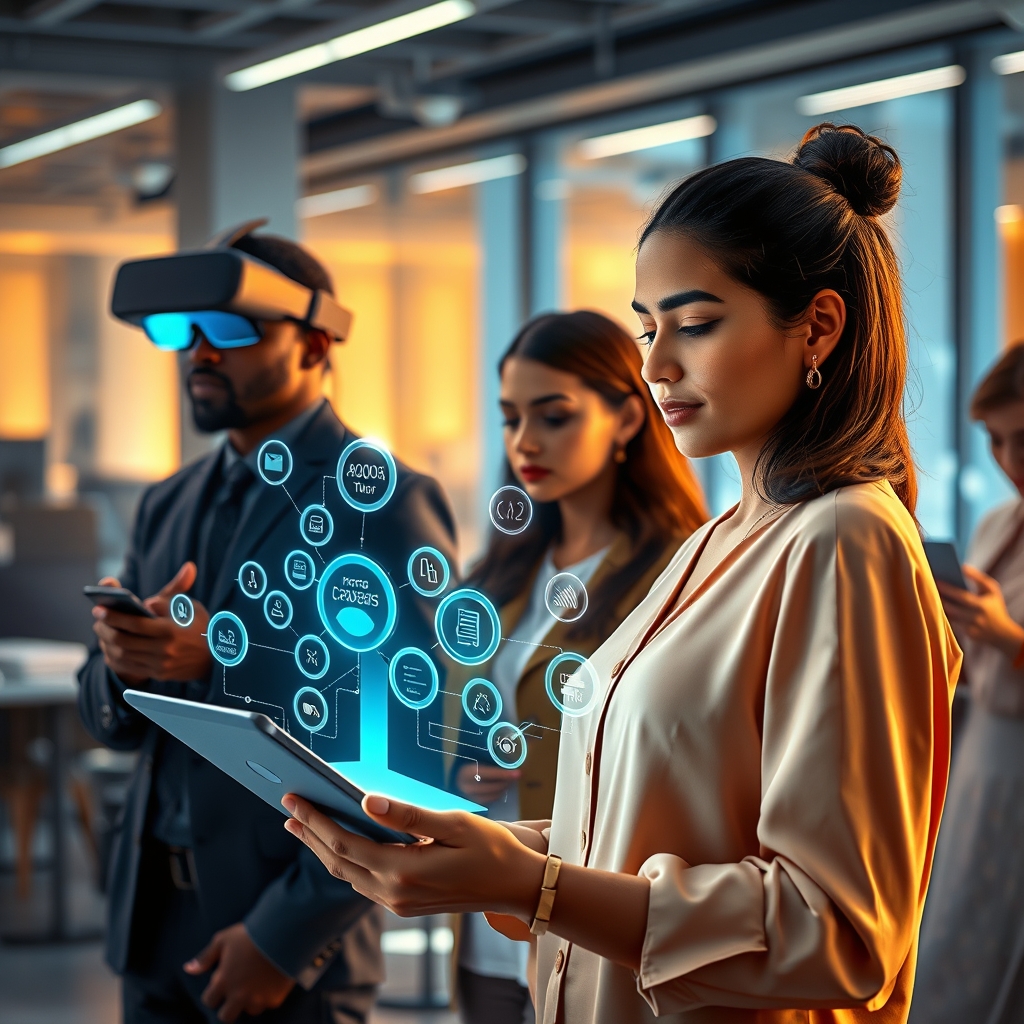
The modern learner is no longer confined to the rigid structures of traditional education. Instead, they navigate a dynamic landscape where knowledge is fluid, skills are currency, and adaptability is the ultimate competitive advantage. At the heart of this transformation lies the fusion of artificial intelligence (AI) and micro-credentials—a powerful duo reshaping how we acquire, validate, and apply knowledge in real time. This shift isn’t just about convenience; it’s about redefining the very essence of learning to meet the demands of an ever-evolving world.
The Death of One-Size-Fits-All Education
For decades, education followed a linear path: enroll in a program, complete a set curriculum, and emerge with a degree that may or may not align with the skills needed in the workforce. This model, while effective in its time, is increasingly out of sync with the pace of technological advancement and the gig economy. Enter AI-powered learning platforms, which dismantle the one-size-fits-all approach by tailoring education to the individual. These systems analyze a learner’s strengths, weaknesses, and preferences to create a bespoke journey, ensuring that every minute spent learning is optimized for maximum impact.
Adaptive teaching software, for instance, doesn’t just present information—it responds to the learner’s progress in real time. Struggling with a concept? The system adjusts, offering additional resources, alternative explanations, or even gamified challenges to reinforce understanding. Mastering a topic quickly? It accelerates the pace, introducing advanced material to keep engagement high. This level of personalization was once the domain of elite tutors, but AI has democratized it, making high-quality, individualized education accessible to anyone with an internet connection.
The Micro-Credential Revolution
While AI personalizes the learning experience, micro-credentials provide the framework for validating skills in a way that traditional degrees cannot. These bite-sized certifications focus on specific competencies—whether it’s mastering Python, project management, or digital marketing—and offer tangible proof of expertise. Unlike degrees, which can take years to complete, micro-credentials can be earned in weeks or even days, making them ideal for professionals looking to upskill quickly or pivot into new fields.
The rise of digital badges and skill-based certifications has also given learners the flexibility to curate their own educational pathways. Instead of committing to a four-year degree, individuals can stack micro-credentials to build a portfolio of skills tailored to their career goals. This modular approach aligns perfectly with the demands of the modern workforce, where employers increasingly value demonstrable skills over formal qualifications. Platforms like Coursera, Udacity, and LinkedIn Learning have embraced this trend, offering micro-credentials that are recognized by industry leaders and integrated into hiring processes.
The Role of Gamification in Sustaining Engagement
Personalization and micro-credentials are powerful, but they’re only effective if learners remain engaged. This is where gamification steps in, transforming education from a passive experience into an interactive journey. By incorporating elements like leaderboards, badges, and progress tracking, gamified learning platforms tap into the same psychological triggers that make video games addictive—reward, achievement, and competition.
For example, Duolingo’s language-learning app uses streaks, points, and virtual rewards to motivate users to practice daily. Similarly, corporate training programs leverage gamification to make compliance training or soft skills development more engaging. The result? Higher completion rates, better retention, and a more enjoyable learning experience. When combined with AI, gamification becomes even more potent, as the system can dynamically adjust challenges based on the learner’s performance, ensuring they’re always in the “flow state”—neither bored nor overwhelmed.
The Future of Learning: Just-in-Time, On-Demand
The convergence of AI, micro-credentials, and gamification is giving rise to a new paradigm: just-in-time education. In this model, learning isn’t something that happens in isolation before entering the workforce; it’s an ongoing process integrated into daily life. Need to learn a new software tool for a project? A microlearning course can get you up to speed in an hour. Facing a challenge at work? A virtual tutor powered by AI can provide real-time guidance. This agility is what sets the modern learner apart—the ability to acquire and apply knowledge exactly when it’s needed, without the lag of traditional education.
Mobile learning apps are a key enabler of this shift, allowing learners to access content anytime, anywhere. Whether it’s a 10-minute lesson on data visualization during a commute or a quick quiz on leadership principles before a meeting, these apps make learning a seamless part of the day. The rise of microlearning—short, focused lessons designed for quick consumption—further supports this trend, catering to the shrinking attention spans of the digital age.
The Corporate Training Revolution
Businesses are taking note of these innovations, recognizing that the future of corporate training lies in agility and personalization. Traditional training programs, often criticized for being time-consuming and irrelevant, are being replaced by AI-driven platforms that deliver targeted, just-in-time learning. For example, a sales team might use an adaptive learning app to practice negotiation skills before a big deal, while a software engineer could earn a micro-credential in a new programming language to tackle an upcoming project.
Lifelong learning programs are also gaining traction, as companies invest in upskilling their workforce to keep pace with technological change. Platforms like Degreed and EdCast aggregate learning resources from across the web, allowing employees to create personalized learning paths that align with their career goals. By integrating micro-credentials and digital badges, these platforms provide a clear record of skills development, making it easier for employees to demonstrate their value and for employers to identify talent.
The agile learner is no longer a futuristic concept—it’s a reality being shaped by the tools and technologies of today. As AI continues to refine its ability to personalize education, and as micro-credentials become the standard for skill validation, the gap between learning and application will shrink to near zero. The result is a workforce that’s not just prepared for the future but actively shaping it, one micro-credential at a time. In this new era, the most valuable skill isn’t mastery of a single discipline but the ability to learn, unlearn, and relearn with speed and precision. Those who embrace this mindset will find themselves not just keeping up with change but leading it.



