
The Learning Odyssey: How AI, Gamification, and Immersive Tech Are Crafting the Future of Personalized Education
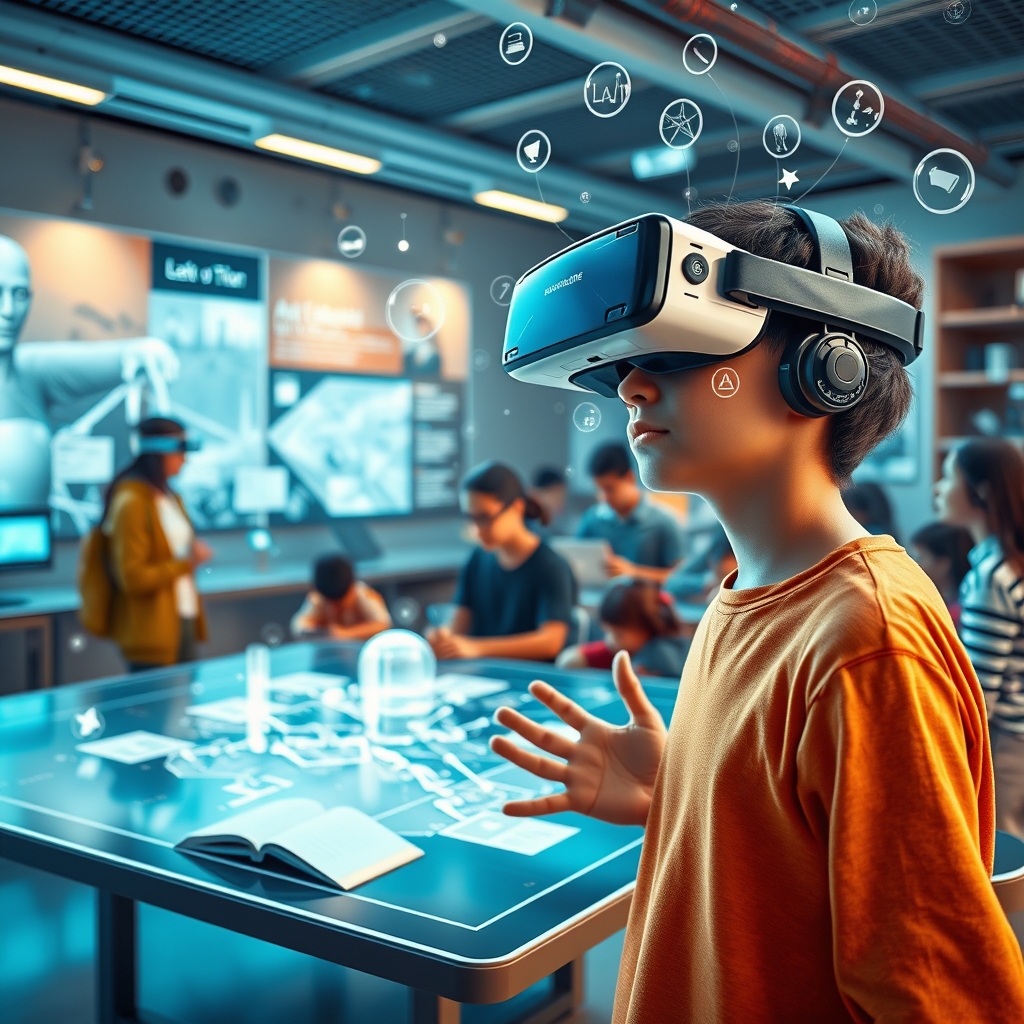
The digital transformation of education is not just a trend—it’s a fundamental shift in how knowledge is acquired, processed, and applied. At the heart of this evolution lies a powerful trio: artificial intelligence (AI), gamification, and immersive technologies like virtual and augmented reality (VR/AR). Together, they are dismantling the one-size-fits-all model of traditional education, replacing it with dynamic, personalized learning experiences that adapt to the needs, pace, and preferences of each learner. This is not merely an upgrade to the existing system; it’s a complete reimagining of what learning can—and should—be.
The AI-Powered Personalization Engine
Imagine a classroom where every student receives a bespoke curriculum, tailored in real-time to their strengths, weaknesses, and learning style. This is the promise of AI-powered learning systems. Unlike static textbooks or rigid lesson plans, adaptive teaching software leverages machine learning algorithms to analyze a learner’s interactions, performance, and even emotional responses. It then adjusts the difficulty, format, and content delivery to optimize engagement and retention. For instance, if a student struggles with a particular math concept, the system might switch from text-based explanations to interactive visualizations or gamified challenges, ensuring the material resonates.
Platforms like Duolingo and Khan Academy have already integrated AI-driven personalization, but the next frontier lies in deeper customization. Virtual tutors, powered by natural language processing (NLP), can engage in Socratic dialogues, asking probing questions to guide learners toward critical thinking rather than rote memorization. These AI mentors don’t replace human teachers; they augment their capabilities, freeing educators to focus on mentorship, creativity, and emotional support—areas where machines still fall short.
Gamification: Turning Learning into a Quest
Why do people spend hours mastering video games but struggle to stay engaged in a traditional classroom? The answer lies in the psychology of gamification. By incorporating elements like points, badges, leaderboards, and narrative-driven challenges, gamified learning transforms education into an immersive, rewarding experience. It taps into the brain’s dopamine-driven reward system, making the process of acquiring knowledge as addictive as leveling up in a game.
Take, for example, the rise of microlearning courses that break complex subjects into bite-sized, game-like modules. Apps like Quizlet and Kahoot! use competitive quizzes and flashcards to reinforce learning, while platforms like Coursera and Udemy offer digital badges and skill-based certifications as tangible proof of mastery. These micro-credentials are not just badges of honor; they’re becoming currency in the modern job market, where employers increasingly value demonstrated skills over traditional degrees. For corporate training, gamification has proven particularly effective, with companies like Deloitte and IBM reporting higher engagement and completion rates in their online training programs.
The Role of Immersive Tech: VR and AR in the Classroom
If AI and gamification are the engines of personalized learning, immersive technologies are the fuel. Virtual reality classrooms and augmented reality education are no longer futuristic concepts—they’re here, and they’re transforming how we interact with information. VR can transport students to ancient Rome, the surface of Mars, or the inside of a human cell, making abstract concepts tangible and unforgettable. AR, on the other hand, overlays digital information onto the real world, turning a smartphone or tablet into a window into augmented knowledge. Imagine dissecting a virtual frog in biology class or practicing a foreign language by conversing with a holographic native speaker.
Companies like zSpace and Labster are already bringing these experiences to schools and universities, while platforms like Google Expeditions are making VR field trips accessible to classrooms worldwide. The impact is profound: studies show that immersive learning can improve retention rates by up to 90% compared to traditional methods. For subjects like medicine, engineering, and vocational training, VR and AR are not just enhancements—they’re game-changers, allowing learners to practice skills in risk-free, hyper-realistic environments.
Hybrid Learning: The Best of Both Worlds
The pandemic accelerated the adoption of online learning, but it also revealed its limitations. While digital platforms offer flexibility and accessibility, they often lack the social interaction and hands-on experiences that make learning meaningful. This is where hybrid learning models come into play, blending the convenience of online education with the engagement of in-person instruction. AI plays a crucial role here, too, by analyzing data from both virtual and physical classrooms to create seamless, adaptive learning paths.
For example, a student might attend a VR lecture on quantum physics in the morning, then join a small-group discussion with peers and a human instructor in the afternoon. Meanwhile, AI tracks their progress, suggesting additional resources or adjusting the curriculum as needed. This model is particularly effective for lifelong learning programs, where working professionals need to balance education with career and family commitments. Universities like Harvard and MIT have already embraced hybrid learning, offering online degree programs that combine asynchronous coursework with live, interactive sessions.
The Future of Corporate Training and Skill Development
The corporate world is also undergoing a learning revolution. Traditional training methods—think PowerPoint slides and day-long seminars—are being replaced by mobile learning apps, microlearning courses, and interactive ebooks. These tools allow employees to learn on-demand, whether they’re commuting, on a lunch break, or between meetings. AI-driven platforms like Degreed and Cornerstone use skill-based certifications to help employees upskill and reskill, ensuring they stay relevant in an ever-changing job market.
For industries like healthcare, manufacturing, and IT, where skills become obsolete quickly, this agility is critical. AR-powered training modules, for instance, can guide factory workers through complex assembly processes in real-time, reducing errors and improving efficiency. Meanwhile, AI can identify skill gaps across an organization and recommend targeted training programs, ensuring that learning is not just reactive but proactive.
As we stand on the brink of this educational renaissance, one thing is clear: the future of learning is not about replacing teachers or classrooms—it’s about empowering them with tools that make education more engaging, accessible, and effective. AI, gamification, and immersive tech are not just trends; they’re the building blocks of a new era where learning is as unique as the individual pursuing it. The question is no longer whether these technologies will reshape education, but how quickly we can harness their potential to unlock human potential on a global scale. The odyssey has just begun, and the destination is limited only by our imagination.



