
The Adaptive Advantage: How AI-Powered Learning and Micro-Credentials Are Redefining Professional Growth
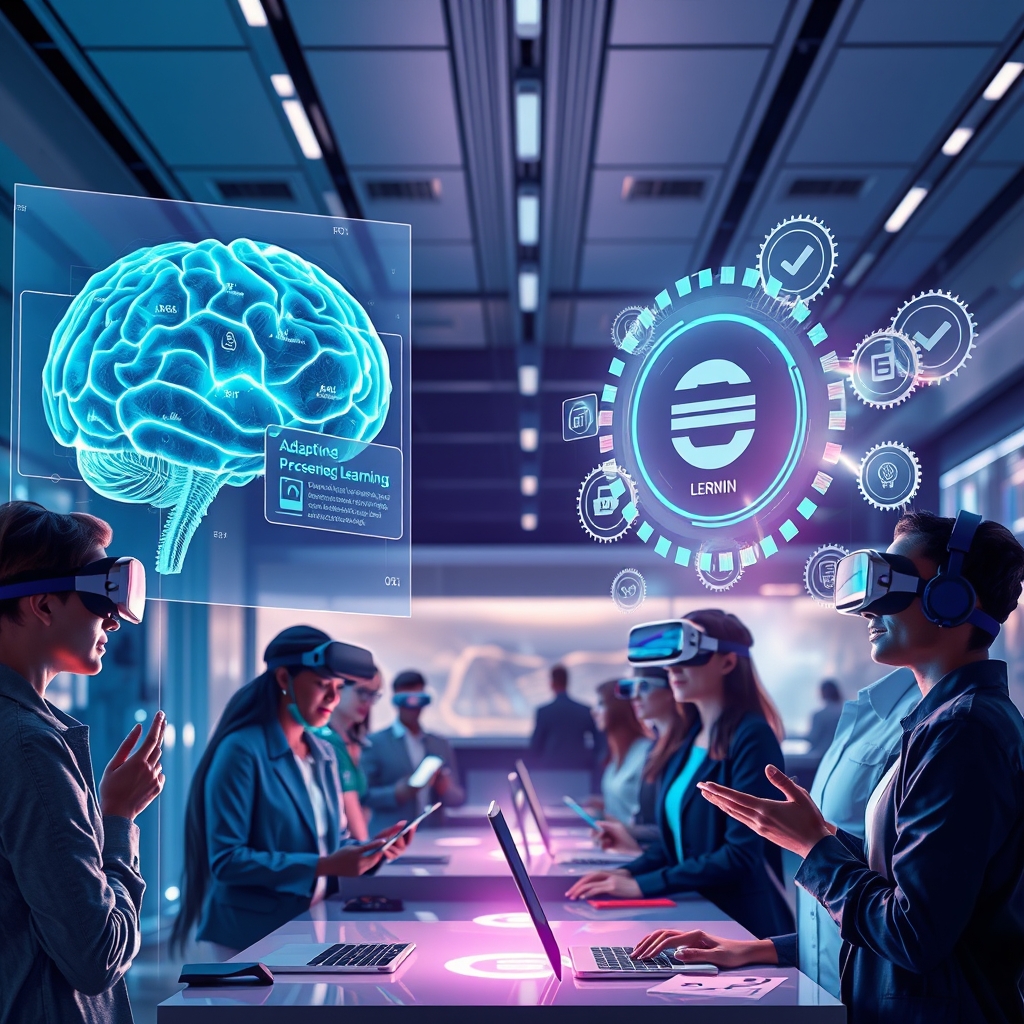
In an era where the half-life of skills is shrinking and the demand for continuous upskilling is at an all-time high, traditional education models are struggling to keep pace. The rigid structures of degree programs and standardized curricula, once the gold standard, now often fail to address the dynamic needs of modern learners and employers. Enter the adaptive advantage—a transformative approach that blends AI-powered learning with micro-credentials to create a fluid, responsive, and deeply personalized educational experience. This shift is not just redefining how we learn; it’s reimagining what it means to grow professionally in a world where change is the only constant.
The Rise of Adaptive Learning: Personalization at Scale
At the heart of this transformation is adaptive teaching software, a technology that leverages artificial intelligence to tailor educational content to the unique needs of each learner. Unlike traditional one-size-fits-all approaches, adaptive learning systems analyze a learner’s performance in real-time, identifying strengths, weaknesses, and knowledge gaps. They then dynamically adjust the difficulty, pace, and type of content delivered, ensuring that learners are neither bored by material that’s too easy nor overwhelmed by concepts that are too advanced.
For example, platforms like Duolingo and Khan Academy have integrated adaptive algorithms to create personalized learning systems that feel almost like having a private tutor. These systems don’t just track progress—they anticipate it. By continuously refining their understanding of a learner’s behavior, they can predict which topics might pose challenges and proactively offer targeted resources, such as microlearning courses or interactive simulations, to reinforce understanding. The result is a learning experience that is as efficient as it is effective, maximizing retention and minimizing frustration.
Micro-Credentials: The Currency of Modern Skill Validation
While adaptive learning addresses the how of education, micro-credentials are revolutionizing the what. In a world where job roles are evolving faster than degree programs can adapt, micro-credentials offer a nimble alternative to traditional qualifications. These bite-sized certifications, often represented by digital badges, validate specific skills or competencies, allowing learners to demonstrate mastery in targeted areas without committing to lengthy, expensive degree programs.
Platforms like Coursera, Udacity, and LinkedIn Learning have embraced micro-credentials, offering everything from data analytics to project management certifications. These credentials are particularly valuable in industries like tech, healthcare, and finance, where the demand for specialized skills outpaces the supply of formally trained professionals. For employers, micro-credentials provide a clear, verifiable way to assess a candidate’s abilities, while for learners, they offer a flexible path to career advancement. The beauty of micro-credentials lies in their modularity—learners can stack them over time, building a portfolio of skills that evolves alongside their career goals.
The Synergy of AI and Micro-Credentials
The true power of the adaptive advantage emerges when AI-powered learning and micro-credentials converge. Imagine a scenario where an employee wants to transition into a data science role. An adaptive learning platform could assess their current skill level, identify gaps in their knowledge, and recommend a series of microlearning courses tailored to their needs. As they progress, the platform could suggest relevant micro-credentials to validate their new skills, such as a digital badge in Python programming or machine learning fundamentals. Employers, in turn, could use these credentials to quickly identify candidates with the exact skills they need, streamlining the hiring process and reducing the risk of mismatched talent.
This synergy is already taking shape in corporate training programs. Companies like IBM and Google have developed their own micro-credentialing systems, using AI-driven platforms to deliver corporate training online that is both scalable and personalized. Employees can earn badges in areas like cloud computing, cybersecurity, or leadership, all while receiving real-time feedback and support from adaptive learning tools. The result is a workforce that is not only more skilled but also more agile, capable of pivoting quickly in response to industry shifts.
The Future of Lifelong Learning: Flexibility Meets Accountability
The adaptive advantage is not just about making learning more efficient—it’s about making it more meaningful. By combining the precision of AI with the flexibility of micro-credentials, this approach empowers learners to take ownership of their professional growth. It recognizes that education is no longer a one-time event but a lifelong journey, one that requires tools that can adapt as quickly as the world around us.
For educators and institutions, this shift presents both challenges and opportunities. Traditional universities and colleges must rethink their role in a landscape where learners increasingly value skills over degrees. Many are already responding by partnering with edtech platforms to offer hybrid learning models that blend online and in-person instruction, or by developing their own micro-credential programs. The key to success lies in embracing the principles of adaptability and personalization that define the adaptive advantage.
Beyond the Classroom: The Broader Impact of Adaptive Learning
The implications of this shift extend far beyond individual learners and employers. At a societal level, the adaptive advantage has the potential to democratize education, making high-quality learning experiences accessible to people regardless of their location, background, or financial resources. Mobile learning apps and microlearning courses can reach learners in remote or underserved communities, while adaptive platforms ensure that these resources are tailored to their unique needs. This is particularly critical in a world where the digital divide threatens to leave millions behind.
Moreover, the rise of skill-based certifications and micro-credentials could help bridge the gap between education and employment, reducing unemployment and underemployment by aligning learning outcomes with labor market demands. Governments and policymakers are beginning to take notice, with some countries exploring the integration of micro-credentials into national qualification frameworks. This could pave the way for a more inclusive and responsive education system, one that values skills and competencies as much as traditional credentials.
As we stand on the brink of this new era, it’s clear that the adaptive advantage is more than just a trend—it’s a fundamental reimagining of how we learn, grow, and succeed. The tools and technologies driving this shift are not just enhancing education; they’re transforming it into a dynamic, lifelong process that meets learners where they are and takes them where they want to go. In a world that demands agility, the ability to adapt is no longer a luxury—it’s a necessity. Those who embrace this mindset will find themselves not just keeping pace with change, but leading it, armed with the skills, credentials, and confidence to thrive in an uncertain future.



