
Bridging Gaps: How Open School Models Create Inclusive and Adaptive Learning Environments
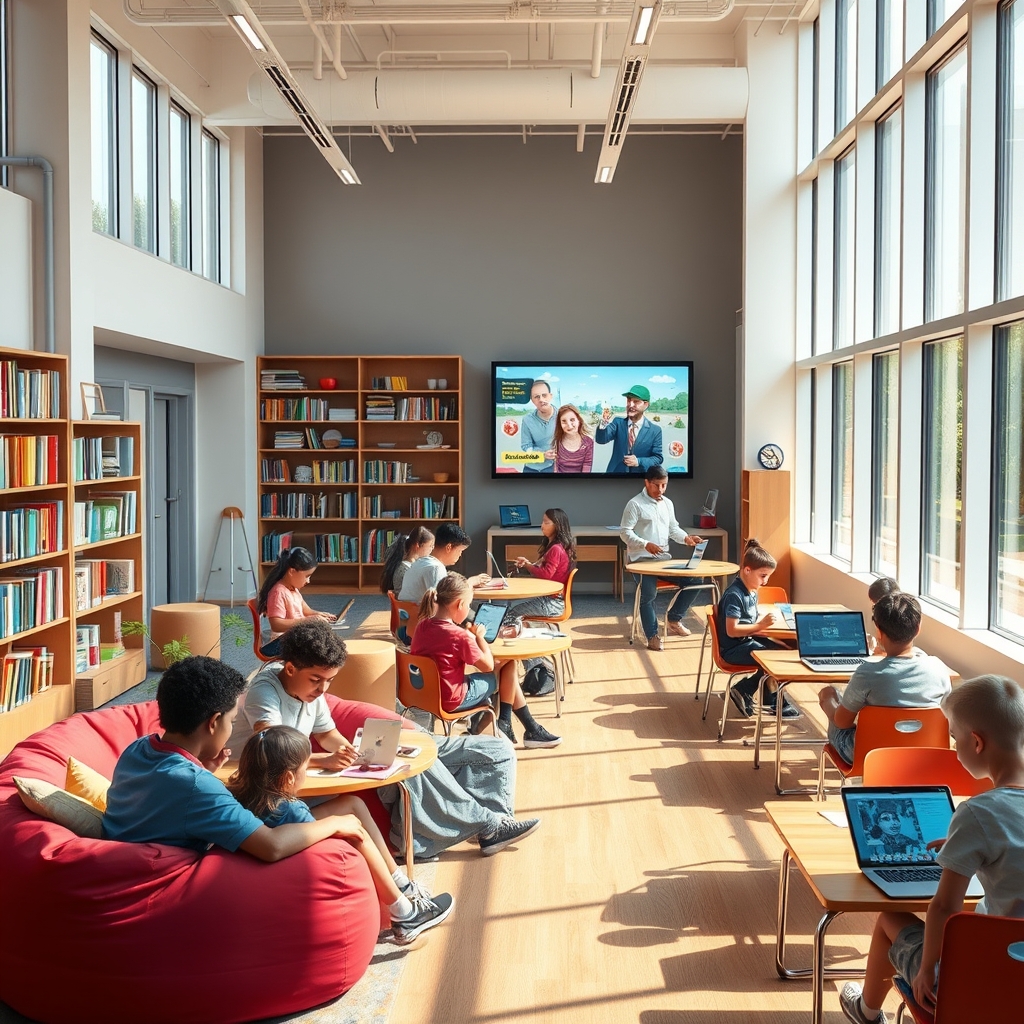
Education has long been confined to rigid structures—standardized curricula, fixed schedules, and one-size-fits-all teaching methods. Yet, as the world evolves, so too must the ways we learn. Open school models are emerging as a transformative force, breaking down traditional barriers to create learning environments that are as unique as the students they serve. By prioritizing flexibility, inclusivity, and student agency, these models are redefining what it means to educate and be educated.
The Core Principles of Open Schooling
At the heart of open schooling lies a commitment to student-centered learning. Unlike conventional systems where students are passive recipients of information, open schools place learners at the center of their educational journey. This shift is built on several foundational principles:
Flexibility in Time and Space
Open schools dismantle the notion that learning must happen within the four walls of a classroom or during a set schedule. Self-paced education allows students to progress through material at a speed that suits their individual needs, whether they are fast learners, require additional time, or balance education with other commitments like work or family responsibilities. Hybrid learning spaces further expand this flexibility, blending in-person and online instruction to accommodate diverse lifestyles and learning preferences.
Curriculum That Adapts, Not Constrains
A flexible curriculum is another hallmark of open schooling. Rather than adhering to a rigid, predetermined path, these models offer personalized study plans that align with students’ interests, strengths, and goals. This approach not only fosters deeper engagement but also ensures that education remains relevant to real-world applications. For instance, a student passionate about environmental science might design a project-based learning experience that involves community activism, while another focused on technology could explore autonomous student research in coding or artificial intelligence.
Inclusivity as a Priority
Open schools are designed to be inclusive classroom environments, where diversity in learning styles, abilities, and backgrounds is not just accommodated but celebrated. Adaptive teaching strategies play a crucial role here, allowing educators to tailor their methods to meet the needs of each student. For example, a student with dyslexia might use audiobooks and speech-to-text tools, while a gifted learner could dive into advanced topics through independent study programs. This commitment to inclusivity extends beyond academics, fostering holistic student development by addressing social, emotional, and physical well-being.
Breaking Away from Tradition: Alternative Schooling Models
Open schooling is part of a broader movement toward non-traditional education, which challenges the status quo of how, where, and what students learn. Several alternative models exemplify this shift:
Democratic Schooling
In democratic schools, students and staff share equal decision-making power, from creating rules to designing the curriculum. This model emphasizes collaborative group work and community-based education, teaching students the value of civic engagement and collective responsibility. Schools like Sudbury Valley in the U.S. and Summerhill in the U.K. have demonstrated how democratic principles can create environments where students thrive as autonomous, responsible individuals.
Competency-Based Progression
Unlike traditional grading systems that measure time spent in a classroom, competency-based progression focuses on mastery of skills and knowledge. Students advance only when they demonstrate proficiency, ensuring that no one is left behind or held back by arbitrary timelines. This approach is particularly effective in subjects like mathematics or language learning, where foundational skills must be solid before moving forward.
Experiential and Community-Based Learning
Experiential learning projects and community-based education take learning beyond textbooks, immersing students in real-world experiences. Whether through internships, service-learning projects, or partnerships with local organizations, these models help students develop lifelong learning skills such as critical thinking, problem-solving, and adaptability. For example, a student interested in healthcare might shadow professionals at a local clinic, gaining hands-on experience while contributing to their community.
The Role of Technology and Open Resources
Technology is a powerful enabler of open schooling, providing tools and resources that make learning more accessible and personalized. Open Educational Resources (OER)—freely available, high-quality materials—allow students and educators to customize content to fit their needs. Platforms like Khan Academy, Coursera, and MIT OpenCourseWare offer courses, videos, and interactive exercises that support self-paced education and independent study programs.
Additionally, adaptive learning technologies use data and algorithms to adjust content in real-time, providing targeted support where students struggle and accelerating progress where they excel. These tools are particularly valuable in hybrid learning spaces, where they can bridge the gap between in-person and online instruction, ensuring continuity and engagement regardless of the learning environment.
Challenges and Considerations
While open schooling offers immense promise, it is not without challenges. One of the primary concerns is ensuring equity—making sure that all students, regardless of socioeconomic background, have access to the technology, resources, and support they need to succeed. Schools must also address the potential for isolation in self-paced education models, where students might miss out on the social interactions that traditional classrooms provide. Strategies like collaborative group work and community-based projects can help mitigate this issue by fostering connection and teamwork.
Another consideration is the role of educators. In open school models, teachers often transition from being the sole source of knowledge to facilitators and guides. This shift requires professional development and a willingness to embrace new pedagogical approaches, such as adaptive teaching strategies and personalized study plans. It also demands a cultural shift in how society views education, moving away from standardized tests and rigid structures toward a more fluid, student-driven approach.
Open school models are not just an alternative to traditional education—they are a necessary evolution, one that recognizes the diversity of learners and the dynamic nature of the world we live in. By embracing flexibility, inclusivity, and student agency, these models are creating learning environments where every individual has the opportunity to thrive. As we look to the future, the principles of open schooling—adaptability, personalization, and community—will be essential in cultivating a generation of learners who are not only knowledgeable but also resilient, creative, and empowered to shape their own paths. The journey toward reimagining education is just beginning, and the possibilities are as limitless as the students who stand to benefit.



