
The Learning Ecosystem of Tomorrow: How AI, Microlearning, and Immersive Tech Are Crafting Agile Minds
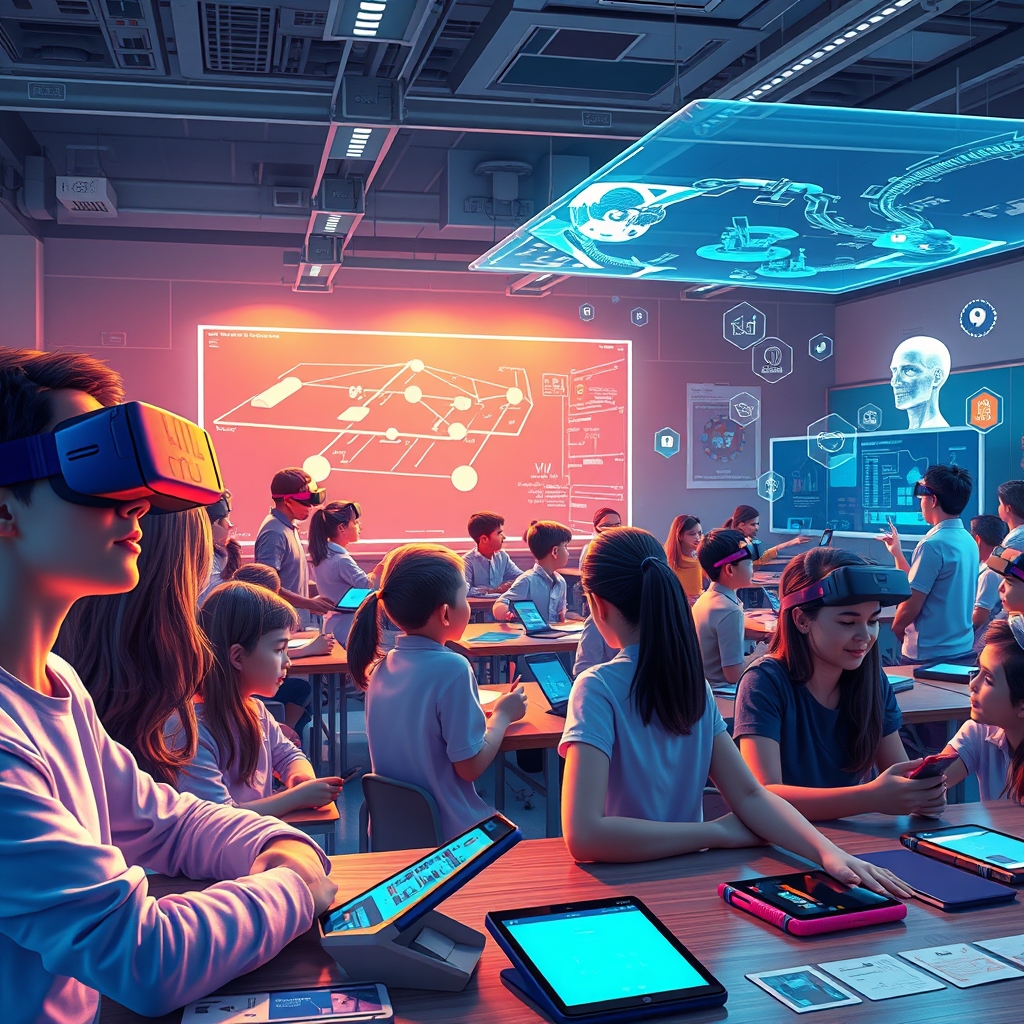
The modern learner is no longer confined to the four walls of a classroom or the rigid structure of a traditional curriculum. Instead, they navigate a dynamic, interconnected ecosystem where technology and pedagogy converge to create agile, adaptable, and deeply personalized learning experiences. This shift is not just about adopting new tools—it’s about reimagining the very fabric of education to meet the demands of a rapidly evolving world. At the heart of this transformation lies a powerful trio: artificial intelligence, microlearning, and immersive technologies, each playing a distinct yet interconnected role in shaping the future of learning.
The AI-Powered Personalization Revolution
Artificial intelligence has moved beyond the realm of science fiction to become a cornerstone of modern education. Adaptive teaching software, powered by machine learning algorithms, is redefining what it means to personalize learning. These systems analyze vast amounts of data—from a student’s response times to their engagement levels—to tailor content, pacing, and even teaching methods in real time. Unlike traditional one-size-fits-all approaches, AI-driven platforms like DreamBox or Knewton adapt to the learner’s strengths and weaknesses, ensuring that no student is left behind or held back by a rigid curriculum.
But the impact of AI extends beyond adaptive learning. Virtual tutors, such as those developed by companies like ScribeSense or Carnegie Learning, provide on-demand support, offering explanations, hints, and feedback that mimic the guidance of a human tutor. These AI tutors are available 24/7, breaking down barriers of time and accessibility. For corporate training, AI-powered platforms like Docebo or Cornerstone OnDemand are revolutionizing how employees upskill, delivering personalized learning paths that align with both individual career goals and organizational needs.
The Rise of Microlearning and Skill-Based Credentials
In a world where attention spans are shrinking and the half-life of skills is shortening, microlearning has emerged as a game-changer. These bite-sized, focused learning modules—often delivered via mobile learning apps like Duolingo, Khan Academy, or Coursera—allow learners to acquire knowledge in short, digestible bursts. Whether it’s mastering a new language during a commute or learning a coding skill during a lunch break, microlearning fits seamlessly into the rhythms of modern life.
Complementing microlearning is the growing prominence of skill-based certifications and digital badges. Unlike traditional degrees, which often take years to complete, micro-credentials validate specific competencies in a fraction of the time. Platforms like Credly, Badgr, and LinkedIn Learning have made it easier than ever for learners to showcase their skills to employers, bridging the gap between education and the job market. For professionals, this means the ability to pivot quickly in response to industry shifts, while for employers, it offers a more precise way to assess candidate capabilities.
Immersive Tech: Bridging the Gap Between Theory and Practice
While AI and microlearning address the *how* of learning, immersive technologies like virtual reality (VR) and augmented reality (AR) are transforming the *where* and *what*. Virtual reality classrooms, such as those offered by Labster or zSpace, transport students into simulated environments where they can conduct experiments, explore historical events, or even practice surgical procedures—all without leaving their desks. These experiences are not just engaging; they are transformative, allowing learners to apply theoretical knowledge in practical, high-stakes scenarios that would be impossible or unsafe in the real world.
Augmented reality, on the other hand, overlays digital information onto the physical world, creating interactive learning experiences that blend the best of both realms. Apps like Google Expeditions or Merge Cube enable students to dissect a virtual frog, explore the solar system, or interact with 3D models of complex machinery. For corporate training, AR is being used to provide on-the-job guidance, such as step-by-step instructions for repairing equipment or assembling products, reducing errors and improving efficiency.
Gamification: Turning Learning into Play
Gamification—the integration of game-like elements into non-game contexts—has proven to be a powerful motivator in education. By incorporating features like points, leaderboards, badges, and challenges, platforms like Kahoot!, Classcraft, or Duolingo make learning feel less like a chore and more like an engaging, rewarding experience. These elements tap into intrinsic motivators such as competition, achievement, and curiosity, driving higher levels of engagement and retention.
Interactive ebooks take gamification a step further by transforming static text into dynamic, multimedia-rich experiences. Tools like Kotobee or Inkling allow learners to interact with content through quizzes, animations, and embedded videos, making complex subjects more accessible and enjoyable. For educators, these tools provide valuable insights into student engagement, helping them refine their teaching strategies in real time.
The Hybrid Learning Model: Best of Both Worlds
The COVID-19 pandemic accelerated the adoption of hybrid learning models, but their benefits extend far beyond crisis response. Hybrid learning—also known as blended learning—combines the flexibility of online education with the structure and social interaction of in-person instruction. This model allows learners to progress at their own pace while still benefiting from face-to-face collaboration, mentorship, and hands-on activities.
AI plays a crucial role in optimizing hybrid learning by analyzing data from both online and offline interactions to create a cohesive learning experience. For example, platforms like Blackboard or Canvas use AI to identify students who may be struggling in a virtual environment and recommend additional resources or in-person support. Similarly, adaptive teaching software can adjust the difficulty of online assignments based on a student’s performance in the classroom, ensuring a seamless transition between the two modes of learning.
Lifelong Learning: A Mindset for the Future
In an era where technological advancements and industry disruptions are the norm, lifelong learning is no longer a luxury—it’s a necessity. The traditional model of front-loaded education, where learning is confined to the early years of life, is giving way to a continuous, iterative process of skill acquisition and refinement. EdTech innovations are making this shift possible by providing accessible, flexible, and engaging learning opportunities for people of all ages.
Online degree programs, such as those offered by edX, Udacity, or FutureLearn, are democratizing access to higher education, allowing working professionals to earn degrees while balancing career and family commitments. Meanwhile, platforms like MasterClass or Skillshare offer bite-sized, expert-led courses that cater to niche interests and hobbies, fostering a culture of curiosity and self-improvement. For corporations, lifelong learning programs are becoming a key differentiator in attracting and retaining talent, as employees increasingly prioritize opportunities for growth and development.
The learning ecosystem of tomorrow is not a distant vision—it’s already here, evolving at a pace that mirrors the rapid changes in technology and society. What makes this ecosystem so powerful is its ability to meet learners where they are, adapting to their unique needs, preferences, and circumstances. Whether through the precision of AI, the flexibility of microlearning, the immersion of VR and AR, or the engagement of gamification, education is becoming more personalized, accessible, and effective than ever before. The challenge—and the opportunity—lies in harnessing these tools to create a future where learning is not just a means to an end, but a lifelong journey of discovery and growth.



