
The Microlearning Revolution: How Bite-Sized Education and AI Are Crafting the Future of Agile Skill Development
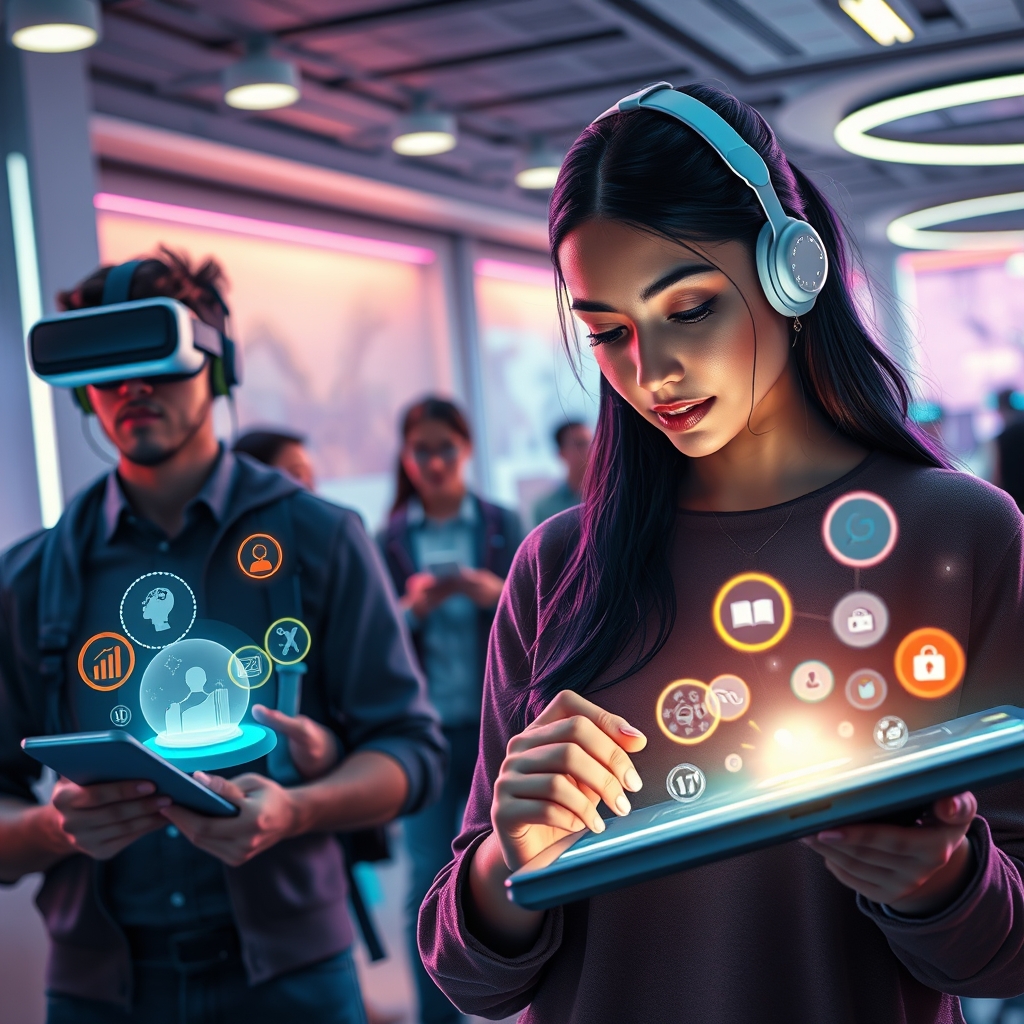
In an era where attention spans are shrinking and the demand for continuous upskilling is growing, traditional education models are being challenged like never before. The one-size-fits-all approach of lengthy courses and rigid curricula no longer aligns with the dynamic needs of modern learners. Enter microlearning—a transformative approach that delivers knowledge in small, focused bursts, designed to fit seamlessly into the busiest of schedules. When combined with the power of AI-powered learning, microlearning is not just a trend; it’s a revolution reshaping how we acquire, retain, and apply knowledge in the digital age.
The Rise of Microlearning: Education in the Age of Distraction
Microlearning is rooted in the science of how the human brain processes information. Studies have shown that our ability to retain knowledge diminishes significantly when we’re bombarded with large volumes of information in a single sitting. Instead, breaking content into bite-sized modules—typically ranging from 2 to 10 minutes—enhances comprehension and retention. This approach aligns perfectly with the way we consume content today, whether it’s scrolling through social media, watching short videos, or listening to podcasts during a commute.
Platforms like Duolingo, Khan Academy, and Coursera’s mobile app have already embraced microlearning, offering lessons that can be completed in minutes rather than hours. These platforms leverage gamification in learning to keep users engaged, rewarding progress with badges, streaks, and other incentives. The result? Learners are more likely to stick with their goals, whether they’re mastering a new language, picking up coding skills, or diving into data science.
Why Microlearning Works: The Psychology Behind the Approach
The effectiveness of microlearning can be attributed to several psychological principles. First, the spacing effect suggests that information is better retained when learning is spread out over time rather than crammed into a single session. Microlearning naturally incorporates this principle by encouraging frequent, short study sessions. Second, the Zeigarnik effect—where unfinished tasks are better remembered than completed ones—plays a role. By breaking learning into small, manageable chunks, learners are more likely to return to incomplete modules, reinforcing their memory.
Moreover, microlearning reduces cognitive overload, a common barrier in traditional education. When learners are presented with too much information at once, their brains struggle to process and store it effectively. By focusing on one concept at a time, microlearning ensures that learners can fully grasp and apply what they’ve learned before moving on to the next topic.
AI-Powered Microlearning: The Next Frontier of Personalized Education
While microlearning is powerful on its own, its potential is amplified when paired with adaptive teaching software and AI-powered learning. AI algorithms analyze a learner’s behavior, identifying strengths, weaknesses, and preferences to deliver a truly personalized learning experience. For example, if a learner struggles with a particular concept, the AI can provide additional resources, adjust the difficulty level, or even suggest alternative explanations tailored to their learning style.
Companies like Sana Labs and Century Tech are at the forefront of this innovation, using AI to create dynamic microlearning experiences that evolve with the learner. These platforms can predict which topics a learner is likely to find challenging and proactively offer targeted support. The result is a learning journey that feels bespoke, as if a virtual tutor is guiding the way, ensuring no time is wasted on material the learner already knows or doesn’t need.
The Role of Micro-Credentials and Digital Badges
One of the most exciting developments in microlearning is the rise of micro-credentials and digital badges. These bite-sized certifications validate specific skills or knowledge areas, allowing learners to demonstrate their expertise in a granular way. Unlike traditional degrees, which can take years to complete, micro-credentials can be earned in a matter of weeks or even days, making them ideal for professionals looking to upskill quickly.
Platforms like edX, Udacity, and LinkedIn Learning offer micro-credentials in fields ranging from digital marketing to cybersecurity. These credentials are increasingly recognized by employers, who value the agility and specificity they bring to workforce development. For learners, micro-credentials provide a tangible way to showcase their skills, whether they’re seeking a promotion, pivoting to a new career, or simply staying competitive in their field.
Microlearning in the Corporate World: Upskilling at the Speed of Business
The corporate training landscape is undergoing a seismic shift, with companies recognizing that traditional, classroom-based training is no longer sufficient. Employees need just-in-time learning—access to knowledge exactly when and where they need it. Microlearning fits this need perfectly, offering mobile learning apps and microlearning courses that can be accessed on-demand, whether it’s a quick tutorial before a client meeting or a refresher on a new software tool.
Companies like Google, Microsoft, and IBM have adopted microlearning for their internal training programs, reporting higher engagement and retention rates compared to traditional methods. For example, Google’s Grow with Google initiative offers micro-courses in digital skills, allowing employees to learn at their own pace without disrupting their workflow. Similarly, IBM’s Your Learning platform uses AI to recommend microlearning modules based on an employee’s role, career goals, and skill gaps.
The Future of Microlearning: Blending with Immersive Tech
As technology continues to evolve, so too does the potential of microlearning. The integration of augmented reality (AR) and virtual reality (VR) is taking microlearning to new heights, creating immersive experiences that engage multiple senses. Imagine a medical student practicing a surgical procedure in a VR simulation, receiving real-time feedback from an AI tutor, or a retail employee using AR to learn how to operate a new point-of-sale system by interacting with a virtual overlay.
Companies like Strivr and Talespin are already leveraging VR for corporate training, offering microlearning experiences that are not only effective but also engaging. These immersive technologies make learning feel like play, reducing the friction often associated with traditional training methods. As AR and VR become more accessible, we can expect to see microlearning evolve into even more dynamic and interactive formats.
The shift toward microlearning is more than just a response to our fast-paced world—it’s a fundamental reimagining of how we learn. By breaking down complex topics into digestible chunks and leveraging AI to personalize the experience, microlearning is making education more accessible, engaging, and effective than ever before. Whether you’re a student, a professional, or a lifelong learner, the future of education is here, and it’s bite-sized. As we continue to embrace these innovations, the boundaries of what we can achieve through learning will only expand, proving that sometimes, the smallest steps lead to the biggest transformations.



