
The Invisible Classmates: How AI and Gamification Are Humanizing Digital Learning Spaces
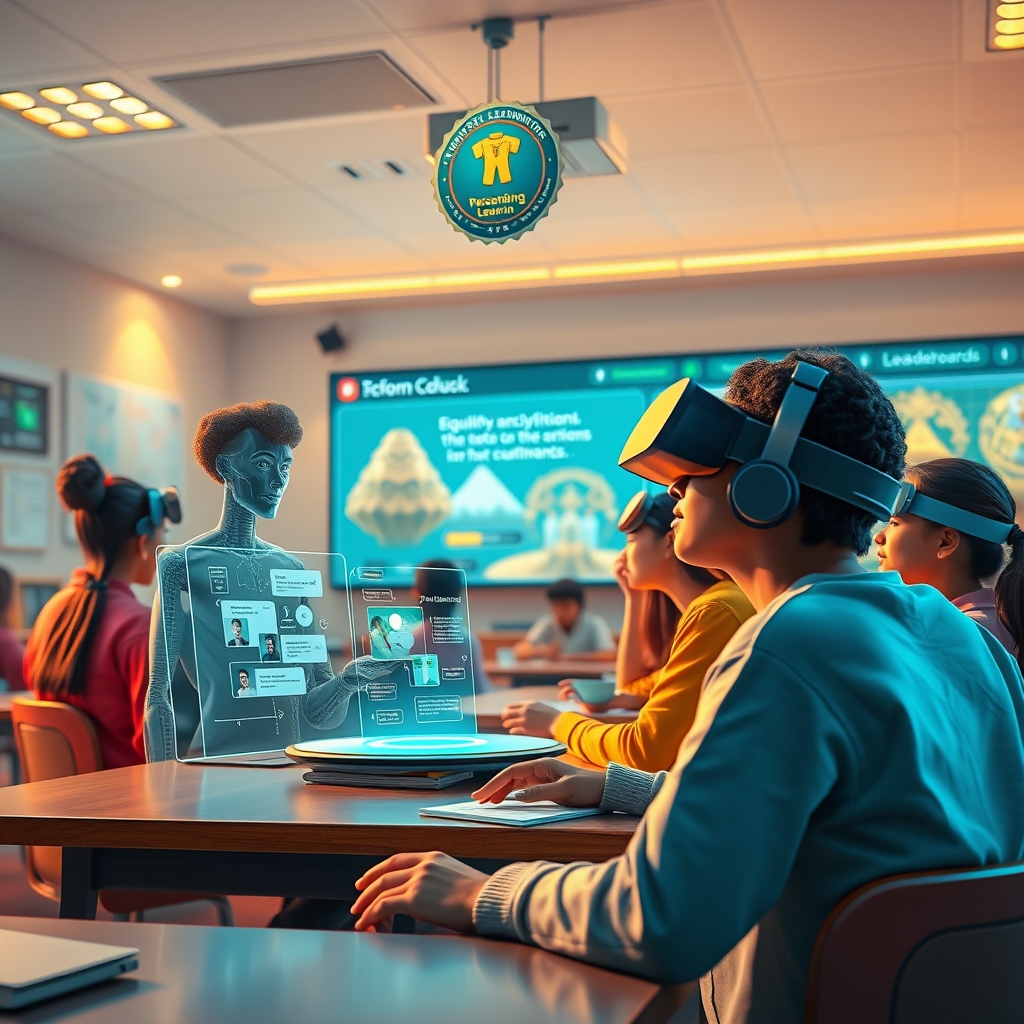
In the quiet hum of a digital classroom, something extraordinary is happening. Students no longer learn in isolation, hunched over screens in silent solitude. Instead, they engage in vibrant, dynamic environments where artificial intelligence and gamification breathe life into every lesson, turning abstract concepts into interactive journeys. The transformation is subtle yet profound—education is no longer a one-size-fits-all endeavor but a personalized, immersive experience that adapts, challenges, and inspires in real time.
The Rise of the Digital Companion
Imagine logging into a learning platform and being greeted not by a static dashboard, but by an AI-powered companion that remembers your strengths, identifies your weaknesses, and tailors every interaction to your unique learning style. These virtual classmates—intelligent, responsive, and endlessly patient—are redefining what it means to engage with educational content. They don’t just deliver information; they simulate conversations, ask probing questions, and provide instant feedback, creating a sense of dialogue that mirrors the best in-person tutoring sessions.
For example, platforms like Duolingo and Khan Academy have integrated AI-driven chatbots that act as language partners or math tutors, offering hints when you stumble and celebrating your progress when you succeed. The result? Learners feel seen, supported, and motivated to push further, even in subjects they once found intimidating. The technology doesn’t replace human connection; it enhances it, filling gaps where traditional classrooms often fall short.
Gamification: The Secret Sauce of Engagement
But AI alone isn’t enough to sustain long-term engagement. That’s where gamification steps in, transforming learning into an adventure where every milestone feels like a victory. Badges, leaderboards, and progress bars might seem like simple additions, but their psychological impact is profound. They tap into the same reward centers in our brains that make video games so addictive, turning the pursuit of knowledge into a compelling challenge rather than a chore.
Consider the success of platforms like Kahoot! and Quizlet, where quizzes become competitive showdowns, or Coursera’s skill-based certifications, which reward learners with digital badges that can be showcased on professional networks. These elements don’t just make learning fun—they make it sticky. Students return not because they have to, but because they want to. The sense of accomplishment from unlocking a new achievement or climbing a leaderboard fuels intrinsic motivation, a far cry from the extrinsic pressures of traditional grading systems.
The Power of Play in Corporate Training
The corporate world has taken notice, too. Companies are increasingly turning to gamified learning platforms to train employees, recognizing that engagement is the key to retention. Platforms like Axonify and TalentLMS use microlearning courses—bite-sized, interactive lessons—to deliver training in a way that fits seamlessly into busy schedules. Employees earn points, compete in challenges, and unlock rewards, all while mastering skills critical to their roles. The result? Higher completion rates, better knowledge retention, and a workforce that’s not just trained but truly invested in their own growth.
Blending the Best of Both Worlds
Of course, the most effective learning experiences often strike a balance between digital innovation and human touch. Hybrid learning models, which combine online and in-person instruction, are proving to be a gold standard in modern education. AI-powered adaptive software can handle the heavy lifting of personalization, while human instructors provide the empathy, creativity, and mentorship that machines can’t replicate. Virtual reality classrooms take this a step further, offering immersive environments where students can collaborate, experiment, and explore in ways that feel as natural as a physical classroom—sometimes even more so.
For instance, medical students can practice surgeries in VR without risk, while history students can walk through ancient civilizations as if they were there. These experiences don’t just teach; they inspire awe, making learning an active, participatory process rather than a passive one. The line between education and entertainment blurs, and in that space, something magical happens: students forget they’re learning at all.
The Future of Lifelong Learning
As the pace of technological change accelerates, the need for lifelong learning has never been more urgent. The skills that land you a job today might be obsolete in five years, and the ability to adapt is becoming the ultimate competitive advantage. AI and gamification are making this continuous learning journey not just manageable, but enjoyable. Micro-credentials and digital badges allow professionals to upskill in targeted areas without committing to lengthy degree programs, while mobile learning apps ensure that education is always within reach, whether on a commute or during a lunch break.
Platforms like LinkedIn Learning and Udacity are leading the charge, offering nano-degrees and skill-based certifications that align with industry demands. These aren’t just pieces of paper; they’re proof of mastery, recognized by employers and peers alike. The message is clear: learning doesn’t end with a diploma. It’s a lifelong pursuit, and with the right tools, it can be one of the most rewarding journeys we undertake.
In this evolving landscape, the most successful learners won’t be those who memorize the most facts, but those who embrace curiosity, adaptability, and the joy of discovery. AI and gamification aren’t just changing how we learn—they’re changing how we think about learning itself. They’re turning education from a solitary endeavor into a shared adventure, where every challenge is an opportunity, every setback a lesson, and every success a step toward something greater. The classroom of the future isn’t a place; it’s an experience, and it’s already here, waiting for those bold enough to dive in.



