
The Rise of Virtual Tutors: How AI Is Personalizing Education One Learner at a Time
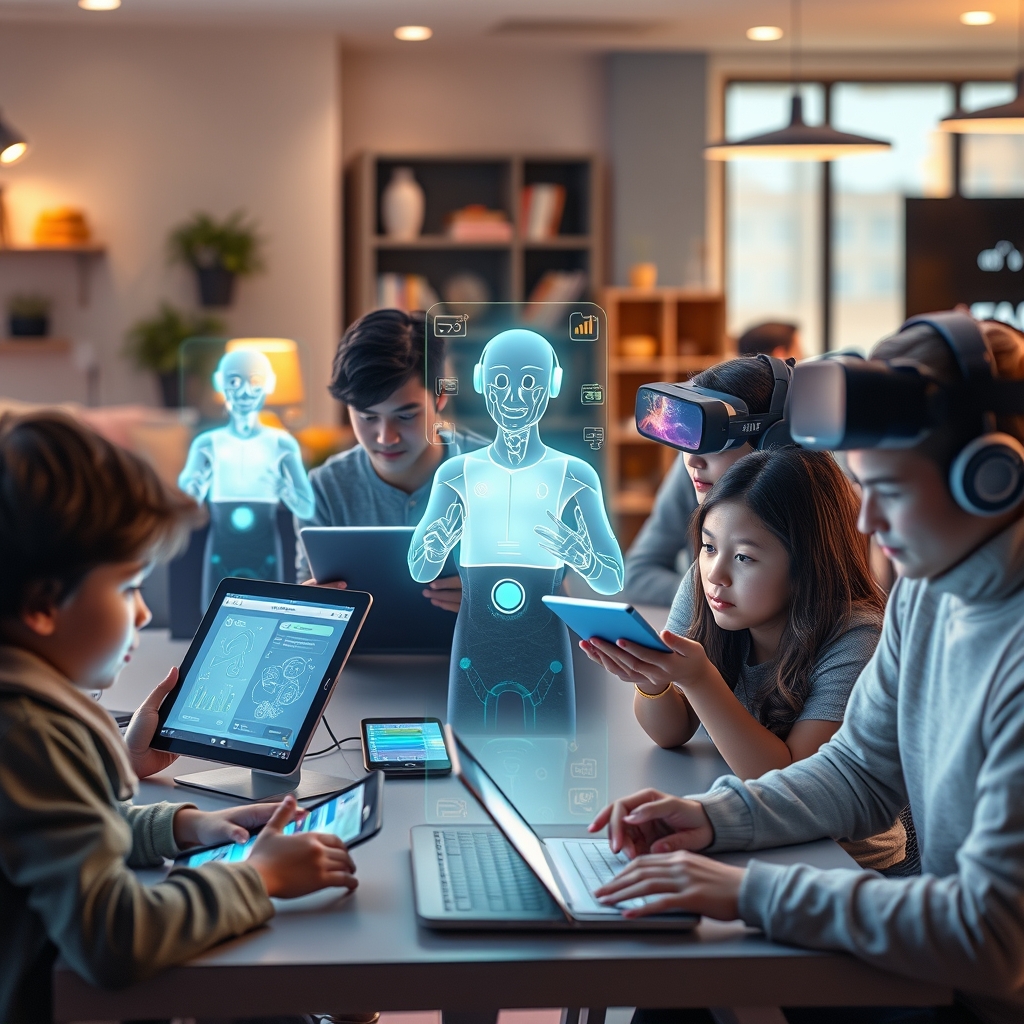
Imagine a classroom where every student has a dedicated tutor, available 24/7, who understands their strengths, weaknesses, and learning pace. This is no longer a distant dream but a rapidly unfolding reality, thanks to the rise of virtual tutors powered by artificial intelligence. These digital mentors are transforming education by offering personalized learning experiences that adapt in real-time, ensuring no learner is left behind.
The Evolution of Virtual Tutors
Virtual tutors are not a new concept, but their capabilities have evolved dramatically with advancements in AI. Early iterations were little more than chatbots with pre-programmed responses, limited in their ability to engage or adapt. Today, AI-driven virtual tutors leverage natural language processing (NLP), machine learning, and data analytics to create dynamic, interactive, and highly personalized learning experiences. They can assess a student’s knowledge, identify gaps, and tailor instruction to meet individual needs—all while providing instant feedback and encouragement.
One of the most significant breakthroughs in this space is the integration of adaptive learning algorithms. These algorithms analyze a student’s performance in real-time, adjusting the difficulty of tasks, suggesting additional resources, or even changing the teaching method to better suit the learner’s style. For example, if a student struggles with a math concept, the virtual tutor might switch from textual explanations to visual aids or interactive simulations, ensuring comprehension before moving forward.
Breaking Down Barriers to Access
One of the most compelling advantages of virtual tutors is their ability to democratize education. In many parts of the world, access to quality education is limited by geography, socioeconomic status, or a shortage of qualified teachers. Virtual tutors bridge this gap by providing high-quality, personalized instruction to anyone with an internet connection. Whether a student lives in a rural village or a bustling city, they can now access the same level of educational support as their peers in more privileged environments.
Moreover, virtual tutors are particularly beneficial for learners with disabilities or those who require additional support. For instance, students with dyslexia can benefit from AI tutors that offer text-to-speech functionality, while those with attention deficits can engage with bite-sized, gamified lessons that keep them focused. The flexibility of virtual tutors ensures that education is inclusive and accessible to all, regardless of individual challenges.
The Role of Gamification and Engagement
Keeping students engaged is one of the biggest challenges in education, and virtual tutors are rising to the occasion by incorporating gamification into their design. By turning learning into a game—complete with points, badges, leaderboards, and rewards—AI tutors make education fun and motivating. This approach not only boosts engagement but also fosters a growth mindset, where students are encouraged to embrace challenges and learn from their mistakes.
For example, platforms like Duolingo use gamification to teach languages, rewarding users with virtual currency for completing lessons and maintaining streaks. Similarly, AI tutors in subjects like science and math use interactive simulations and challenges to reinforce concepts. These gamified elements tap into the natural human desire for achievement and competition, making learning feel less like a chore and more like an adventure.
From Classrooms to Corporate Training
The impact of virtual tutors extends beyond traditional education. In the corporate world, businesses are increasingly turning to AI-powered tutors to upskill and reskill their workforce. These digital mentors provide employees with personalized training programs that adapt to their roles, skill levels, and career goals. Whether it’s learning a new programming language, mastering project management tools, or developing leadership skills, virtual tutors offer flexible, on-demand learning that fits into busy schedules.
Corporate training programs powered by AI tutors also benefit from data-driven insights. Employers can track employee progress, identify skill gaps, and measure the effectiveness of training initiatives. This not only enhances the learning experience but also ensures that training investments yield tangible results, such as improved performance and higher employee retention.
The Future of Lifelong Learning
As the pace of technological change accelerates, the need for lifelong learning has never been more critical. Virtual tutors are poised to play a central role in this shift, offering learners of all ages the tools they need to continuously adapt and grow. Unlike traditional education models, which often focus on static knowledge, AI-powered tutors emphasize skill development, critical thinking, and problem-solving—abilities that are essential in an ever-evolving job market.
Furthermore, virtual tutors are not limited to academic subjects. They can also support personal development, such as learning a new hobby, improving financial literacy, or even developing emotional intelligence. By making learning accessible, engaging, and personalized, AI tutors are empowering individuals to take control of their educational journeys and pursue their passions at any stage of life.
The rise of virtual tutors is not about replacing human educators but augmenting their capabilities. Teachers and instructors can leverage AI tutors to handle routine tasks, such as grading or providing basic explanations, freeing up time to focus on mentorship, creativity, and fostering deeper connections with students. In this way, virtual tutors act as invaluable partners in the educational ecosystem, enhancing rather than replacing the human touch.
As we look to the future, it’s clear that virtual tutors will continue to redefine the boundaries of education. By harnessing the power of AI, we can create learning experiences that are not only personalized and adaptive but also inclusive, engaging, and empowering. The journey of education is no longer a one-size-fits-all path but a dynamic, ever-evolving adventure tailored to the unique needs of each learner. In this new era, the possibilities are as limitless as the curiosity that drives us to learn.



