
The Learning Revolution 2.0: How AI and Microlearning Are Crafting the Future of Skill-Based Education
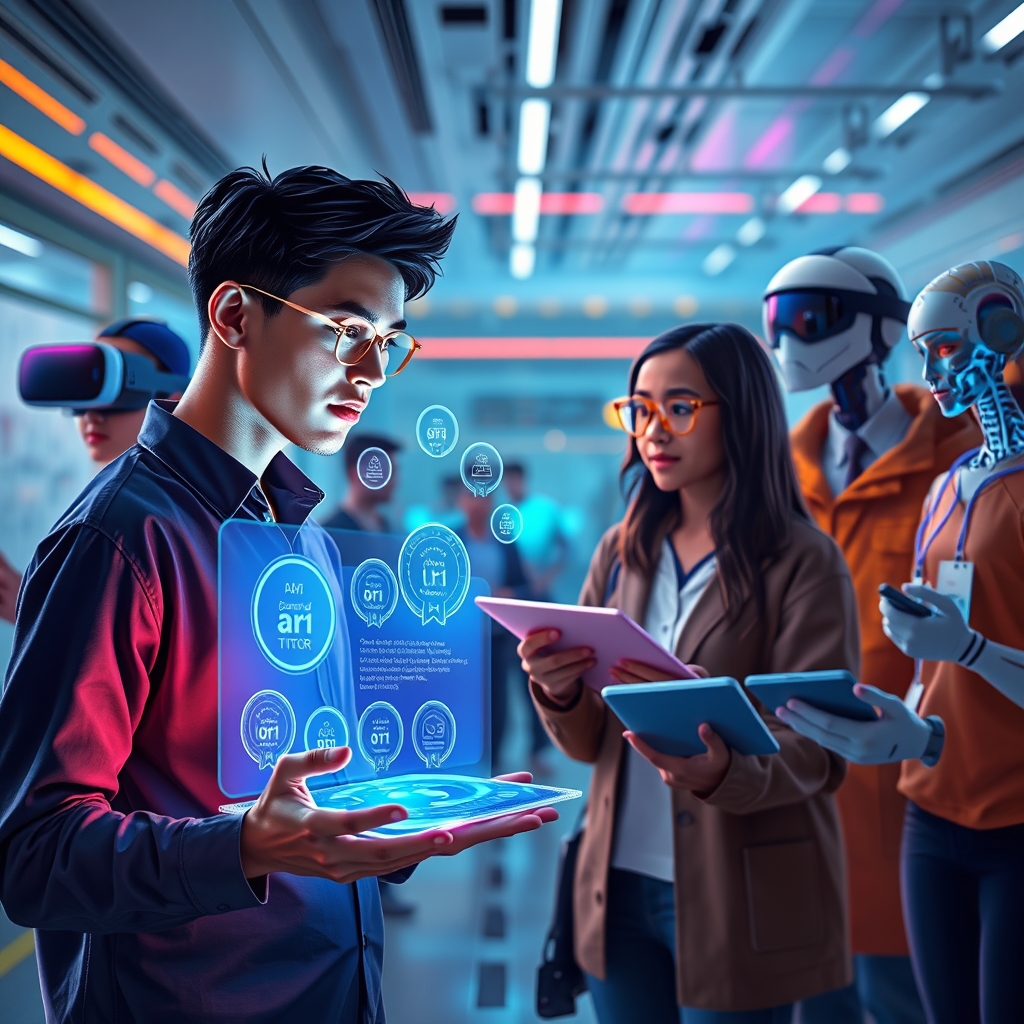
The landscape of education is undergoing a seismic shift, driven by the convergence of artificial intelligence (AI) and microlearning. No longer confined to traditional classrooms or rigid curricula, learning is becoming a dynamic, on-demand experience tailored to the needs of the individual. This transformation is not just about convenience—it’s about efficacy, engagement, and the democratization of knowledge. At the heart of this revolution lies the fusion of AI-powered personalization and bite-sized learning modules, creating a paradigm where education is as fluid as the careers it prepares learners for.
The Rise of Skill-Based Education
Gone are the days when education was solely about accumulating degrees. Today, the focus has shifted toward skill mastery, with employers and learners alike prioritizing competency over credentials. This shift has given rise to skill-based certifications and digital badges, which validate expertise in specific areas without the time or financial investment of a full degree. Platforms like Coursera, Udacity, and LinkedIn Learning have pioneered this model, offering micro-credentials that align with industry demands. AI plays a pivotal role here, analyzing labor market trends to identify in-demand skills and suggesting relevant courses to learners. The result? A workforce that is agile, adaptable, and perpetually upskilling.
Microlearning: The Power of Bite-Sized Knowledge
In an era of shrinking attention spans and packed schedules, microlearning has emerged as a game-changer. These short, focused learning modules—often just 5 to 15 minutes long—deliver targeted knowledge that can be immediately applied. Whether it’s a video tutorial, an interactive quiz, or a gamified challenge, microlearning fits seamlessly into the modern lifestyle. AI enhances this approach by curating personalized learning paths, ensuring that each module builds on the learner’s existing knowledge while addressing gaps. For example, an AI-driven platform might detect that a learner struggles with a particular concept in data analysis and serve up a series of micro-courses to reinforce understanding before moving on.
The Role of AI in Personalized Learning
Personalization is the cornerstone of modern education, and AI is the architect behind it. Adaptive teaching software uses machine learning algorithms to tailor content, pace, and difficulty to the individual learner. Unlike traditional one-size-fits-all education, AI-powered systems like Duolingo, Khan Academy, and Sana Labs adjust in real-time, providing additional support when a learner struggles or accelerating progress when mastery is demonstrated. This level of customization ensures that no learner is left behind or held back by the pace of a collective classroom.
Virtual Tutors and the Future of One-on-One Learning
Imagine having a tutor available 24/7, capable of answering questions, providing feedback, and guiding you through complex topics—without the cost or scheduling constraints of a human instructor. Virtual tutors, powered by AI, are making this a reality. These digital mentors leverage natural language processing (NLP) to engage in conversational learning, offering explanations, examples, and even encouragement. For instance, platforms like Carnegie Learning’s MATHia use AI to simulate one-on-one tutoring, adapting to each student’s unique learning style. This technology is particularly transformative for lifelong learners and corporate training programs, where access to personalized instruction can bridge skill gaps and boost productivity.
The Integration of Immersive Technologies
While AI and microlearning are reshaping the content and delivery of education, immersive technologies like virtual reality (VR) classrooms and augmented reality (AR) education are revolutionizing the learning experience itself. VR transports learners to simulated environments where they can practice skills in a risk-free setting—whether it’s performing surgery, operating machinery, or navigating a historical event. AR, on the other hand, overlays digital information onto the real world, enhancing hands-on learning. For example, medical students can use AR to visualize human anatomy in 3D, while engineers can explore the inner workings of complex systems. These technologies make learning visceral, memorable, and deeply engaging.
Gamification: Turning Learning into Play
Gamification injects elements of play into education, transforming mundane tasks into engaging challenges. By incorporating leaderboards, badges, and rewards, platforms like Kahoot! and Quizlet make learning competitive and fun. AI takes gamification a step further by dynamically adjusting difficulty levels and providing real-time feedback. For corporate training programs, gamified learning can boost participation and retention, turning mandatory compliance training into an interactive experience. The result is a workforce that is not only skilled but also motivated to learn.
The Hybrid Learning Model: Bridging the Gap
The future of education is not an either/or proposition—it’s a blend. Hybrid learning models combine the best of online and in-person instruction, offering flexibility without sacrificing human connection. AI enhances hybrid learning by analyzing data from both digital and physical interactions to optimize the learning experience. For example, an AI system might recommend that a student attend an in-person workshop to reinforce a concept they struggled with online, or suggest a virtual study group for collaborative learning. This model is particularly effective for online degree programs and lifelong learning programs, where learners need both structure and autonomy.
Mobile Learning: Education on the Go
With smartphones becoming ubiquitous, mobile learning apps are making education accessible anytime, anywhere. Apps like Photomath, SoloLearn, and Brilliant deliver microlearning courses directly to users’ devices, allowing them to learn during commutes, breaks, or downtime. AI-powered mobile apps can even adapt to the user’s environment—for instance, suggesting language lessons when traveling or coding tutorials during a tech conference. This level of accessibility is breaking down barriers to education, particularly in regions with limited access to traditional learning institutions.
As we stand on the brink of this learning revolution, it’s clear that the future of education is not just about technology—it’s about empowerment. AI and microlearning are dismantling the rigid structures of traditional education, replacing them with flexible, personalized, and engaging experiences. Whether it’s through skill-based certifications, immersive VR classrooms, or gamified mobile apps, the tools of tomorrow are already here, reshaping how we learn, work, and grow. The question is no longer whether we can adapt to this new era, but how quickly we can harness its potential to unlock human capability on a global scale.



