
The Digital Canvas: How AI and Interactive Ebooks Are Painting the Future of Immersive Learning
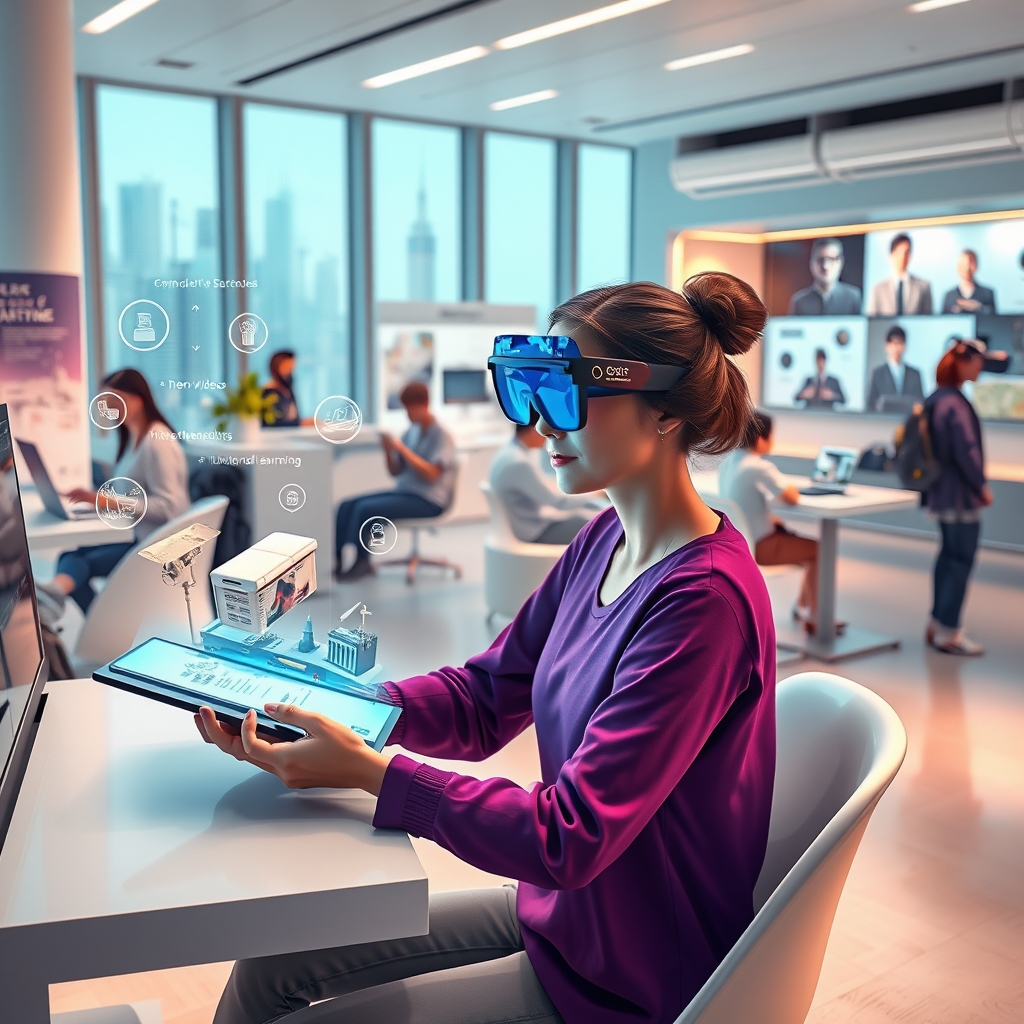
Education is no longer confined to the static pages of a textbook or the rigid structure of a traditional classroom. The digital revolution has ushered in a new era where learning is dynamic, interactive, and deeply personalized. At the heart of this transformation are AI-powered learning and interactive ebooks, two innovations that are redefining how knowledge is consumed, retained, and applied. Together, they are turning the act of learning into an immersive experience that adapts to the needs of each individual, making education not just accessible but engaging in ways previously unimaginable.
The Rise of Interactive Ebooks: Beyond the Page
Interactive ebooks are not merely digital versions of printed books. They are living, evolving platforms that integrate multimedia elements—videos, animations, quizzes, and even augmented reality (AR)—to create a multi-sensory learning experience. Unlike traditional textbooks, which offer a one-dimensional flow of information, interactive ebooks invite learners to engage with content actively. A student reading about the solar system, for example, can rotate a 3D model of Jupiter, watch a video of a rocket launch, or take a quiz to reinforce their understanding—all within the same digital environment.
This level of interactivity does more than just make learning fun; it enhances comprehension and retention. Studies have shown that multimodal learning—engaging multiple senses simultaneously—improves memory recall and deepens understanding. Interactive ebooks leverage this principle by transforming passive reading into an active, participatory process. For educators, this means less time spent on rote memorization and more time fostering critical thinking and creativity.
AI: The Invisible Architect of Personalized Learning
While interactive ebooks provide the canvas for immersive learning, AI-powered learning systems act as the invisible hand guiding each learner’s journey. Adaptive algorithms analyze a student’s interactions—how long they spend on a page, which quizzes they ace or struggle with, and even their emotional responses (via facial recognition or biometric feedback)—to tailor the content in real time. If a learner consistently struggles with a particular concept, the AI can adjust the difficulty, provide additional resources, or suggest alternative explanations. Conversely, if a student masters a topic quickly, the system can accelerate their progress, ensuring they are neither bored nor overwhelmed.
This level of personalization is a game-changer for lifelong learning programs and corporate training online. In a corporate setting, for instance, an employee learning a new software tool can receive a customized learning path that focuses on the features most relevant to their role. For a professional pursuing skill-based certifications, AI can identify knowledge gaps and recommend microlearning courses to fill them efficiently. The result is a learning experience that is not only more effective but also more efficient, saving time and resources for both learners and organizations.
The Synergy of AI and Interactive Ebooks
The true magic happens when AI and interactive ebooks converge. Imagine an ebook that doesn’t just respond to a learner’s inputs but anticipates their needs. For example, an AI-powered interactive ebook on history could dynamically adjust its content based on the reader’s interests. If a student shows a keen interest in ancient civilizations, the ebook might expand on that topic, offering deeper dives into Egyptian pyramids or Roman architecture, while glossing over less engaging material. This adaptive teaching software ensures that no two learning experiences are alike, making education a truly personalized journey.
Moreover, AI can enhance the collaborative potential of interactive ebooks. Virtual study groups, facilitated by AI-driven chatbots or virtual tutors, can provide real-time assistance, answer questions, and even simulate debates or discussions. This social dimension of learning—often missing in digital education—can be seamlessly integrated into interactive ebooks, fostering a sense of community and shared discovery.
Gamification: Turning Learning into Play
Another layer of engagement comes from gamification in learning, which is increasingly being woven into interactive ebooks. By incorporating game-like elements—such as points, badges, leaderboards, and challenges—educators can tap into the innate human desire for achievement and competition. A language-learning ebook, for instance, might reward learners with digital badges for completing a set number of exercises or achieving a streak of correct answers. These rewards not only motivate learners but also provide tangible evidence of progress, which can be shared as micro-credentials or digital badges on professional networks like LinkedIn.
Gamification also makes learning more enjoyable, which is particularly valuable in mobile learning apps where attention spans are often shorter. A microlearning course on coding, for example, could present challenges in the form of mini-games, where learners write snippets of code to solve puzzles or build virtual structures. This approach not only reinforces learning but also makes complex topics more approachable and less intimidating.
The Future of Learning: A Blended, Flexible Ecosystem
The integration of AI and interactive ebooks is not about replacing traditional education but enhancing it. Hybrid learning models and blended learning solutions are emerging as the gold standard, combining the best of digital and in-person instruction. In a hybrid classroom, for example, students might use interactive ebooks for self-paced learning at home, while in-person sessions focus on discussion, collaboration, and hands-on activities. AI can bridge the gap between these two environments, ensuring a seamless transition and providing educators with insights into each student’s progress.
For online degree programs and flexible learning paths, this blended approach offers unparalleled accessibility. Learners from diverse backgrounds—whether working professionals, stay-at-home parents, or students in remote areas—can access high-quality education without the constraints of time or location. AI-driven tools can even help institutions design microlearning courses that fit into busy schedules, allowing learners to acquire new skills in bite-sized chunks.
The Role of EdTech Innovations in Lifelong Learning
In a world where skills become obsolete at an unprecedented rate, lifelong learning is no longer a luxury but a necessity. EdTech innovations like AI and interactive ebooks are democratizing education, making it possible for anyone, anywhere, to upskill or reskill at their own pace. Whether it’s a nurse learning about a new medical procedure, a marketer mastering data analytics, or a retiree exploring a passion for photography, these tools provide the flexibility and personalization needed to thrive in an ever-changing landscape.
Moreover, the rise of skill-based certifications and digital badges is shifting the focus from traditional degrees to demonstrable competencies. Employers are increasingly valuing these micro-credentials as proof of a candidate’s abilities, and interactive ebooks powered by AI are making it easier than ever to acquire and showcase them. This shift is not just transforming education; it’s redefining the very nature of work and career development.
The digital canvas of learning is vast and ever-expanding, with AI and interactive ebooks at its core. These technologies are not just tools but partners in the learning journey, adapting to individual needs, making education more engaging, and unlocking potential in ways we are only beginning to explore. As we stand on the brink of this new frontier, one thing is clear: the future of learning is not just about consuming information but experiencing it, shaping it, and making it our own. The classroom of tomorrow is not a place but a dynamic, interactive, and deeply personal journey—one that is limited only by our imagination.



