
The Silent Architects of Modern Education: How AI and Microlearning Are Crafting the Future of Lifelong Learning
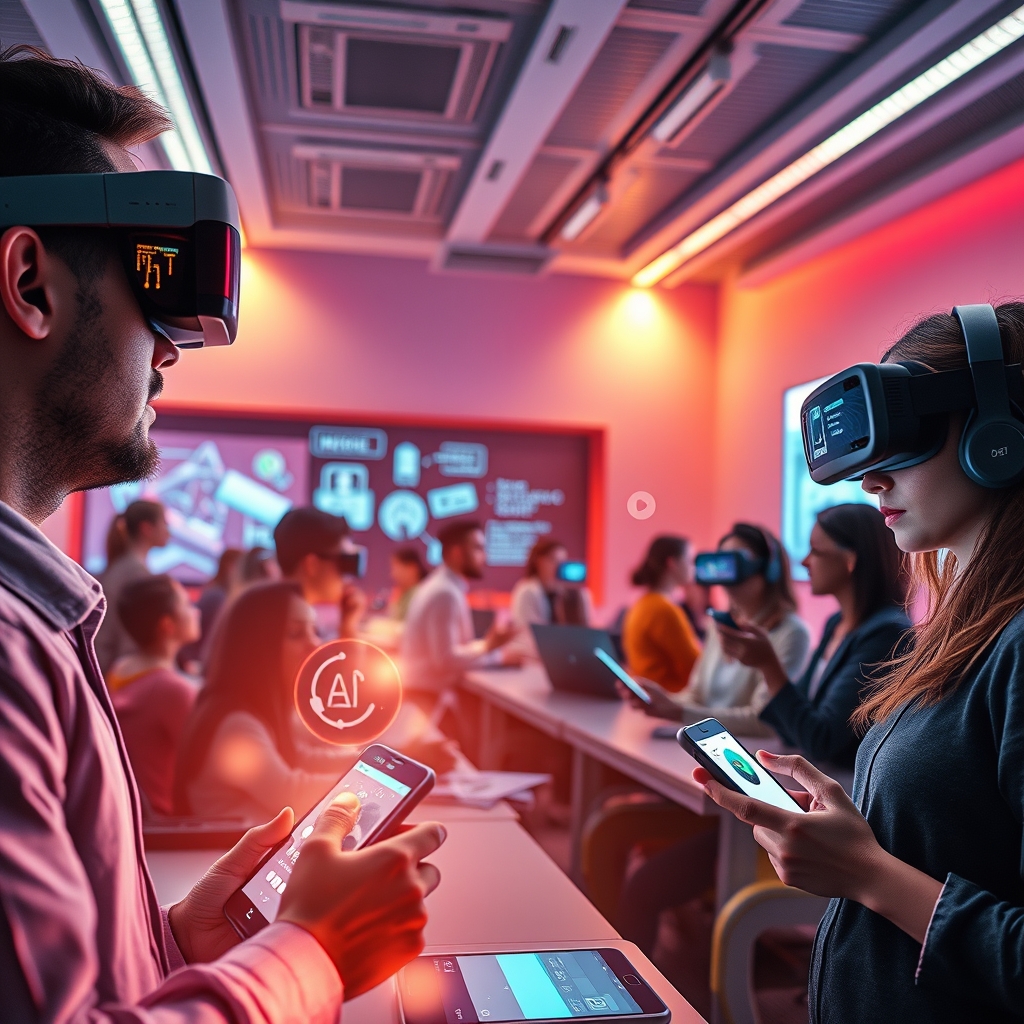
The digital transformation of education is not a distant dream but a present reality, quietly unfolding in classrooms, corporate training rooms, and even our living rooms. At the heart of this transformation are two powerful forces: artificial intelligence and microlearning. Together, they are reshaping how we acquire knowledge, master skills, and adapt to an ever-changing world. This evolution is not about replacing traditional education but augmenting it, making learning more accessible, personalized, and engaging than ever before.
The Rise of AI-Powered Personalization
Imagine a learning environment that adapts to you—not the other way around. AI-powered learning systems are making this a reality by analyzing vast amounts of data to understand how each learner absorbs information. These systems track progress, identify strengths and weaknesses, and adjust content in real-time to suit individual needs. For example, adaptive teaching software can recognize when a student struggles with a particular concept and provide additional resources, alternative explanations, or even a change in teaching method. This level of personalization ensures that no learner is left behind, and each one can progress at their own pace.
Corporate training programs are also leveraging AI to create more effective learning experiences. By analyzing employee performance data, AI can recommend targeted microlearning courses that address specific skill gaps. This not only enhances productivity but also empowers employees to take charge of their professional development. The result is a workforce that is more agile, skilled, and prepared for the challenges of the modern economy.
The Power of Microlearning in a Fast-Paced World
In an era where attention spans are shrinking and time is a precious commodity, microlearning has emerged as a game-changer. This approach breaks down complex topics into bite-sized, easily digestible modules that can be completed in minutes. Whether it’s a short video, an interactive quiz, or a quick read, microlearning fits seamlessly into our busy lives, making it possible to learn on the go.
Microlearning is particularly effective when combined with mobile learning apps. These apps allow learners to access content anytime, anywhere, turning idle moments into opportunities for growth. For instance, a professional waiting for a meeting to start can quickly review a microlearning module on leadership skills, or a student can reinforce a math concept while commuting. This flexibility is not just convenient; it’s transformative, making learning a continuous, integrated part of daily life.
Gamification: Turning Learning into Play
One of the most exciting developments in modern education is the integration of gamification. By incorporating game-like elements such as points, badges, leaderboards, and challenges, educators and trainers can make learning more engaging and motivating. Gamification taps into our natural desire for achievement and competition, turning even the most mundane topics into exciting adventures.
Interactive ebooks and online platforms are increasingly adopting gamification to enhance the learning experience. For example, a language-learning app might reward users with badges for completing lessons or achieving streaks, while a corporate training program could use leaderboards to encourage friendly competition among employees. These elements not only make learning fun but also foster a sense of accomplishment and progress, which is crucial for long-term engagement.
The Role of Digital Badges and Micro-Credentials
As the demand for lifelong learning grows, so does the need for flexible, skill-based certifications. Digital badges and micro-credentials are emerging as powerful tools for validating skills and knowledge in a way that is both accessible and credible. Unlike traditional degrees, which can take years to complete, micro-credentials can be earned in a matter of weeks or months, allowing learners to quickly demonstrate their expertise in specific areas.
These credentials are particularly valuable in the corporate world, where employers are increasingly looking for evidence of skills rather than just degrees. Digital badges can be easily shared on professional networks like LinkedIn, providing a clear and verifiable record of a learner’s achievements. This shift toward skill-based validation is democratizing education, making it possible for anyone to upskill or reskill, regardless of their background or circumstances.
Blended Learning: The Best of Both Worlds
While digital learning offers unparalleled flexibility, there is still value in traditional, in-person education. Blended learning models combine the best of both worlds, integrating online and offline experiences to create a more holistic learning environment. For example, a university course might include online lectures, interactive discussions, and in-person labs, allowing students to benefit from both the convenience of digital learning and the engagement of face-to-face interaction.
AI plays a crucial role in blended learning by personalizing the online components of the course. For instance, an AI-powered platform might recommend additional readings or exercises based on a student’s performance in an online quiz, while a virtual tutor could provide real-time feedback during a live session. This hybrid approach ensures that learners receive the support they need, whether they are studying independently or in a classroom setting.
The Future of Lifelong Learning
The future of education is not about choosing between traditional and digital methods but about integrating the best of both to create a seamless, lifelong learning experience. AI and microlearning are at the forefront of this evolution, breaking down barriers and making education more accessible, engaging, and effective. As these technologies continue to advance, they will unlock new possibilities for learners of all ages, from students in classrooms to professionals in corporate training programs.
What makes this transformation so powerful is its inclusivity. Whether you are a busy professional looking to upskill, a student seeking a more personalized learning experience, or a lifelong learner exploring new interests, AI and microlearning are making it easier than ever to achieve your goals. The silent architects of modern education are not just shaping the future of learning; they are empowering individuals to take control of their own educational journeys, one micro-lesson at a time. The tools are here, the opportunities are endless, and the only limit is our willingness to embrace them.



