
The Invisible Mentor: How Virtual Tutors and AI Are Crafting Bespoke Learning Journeys
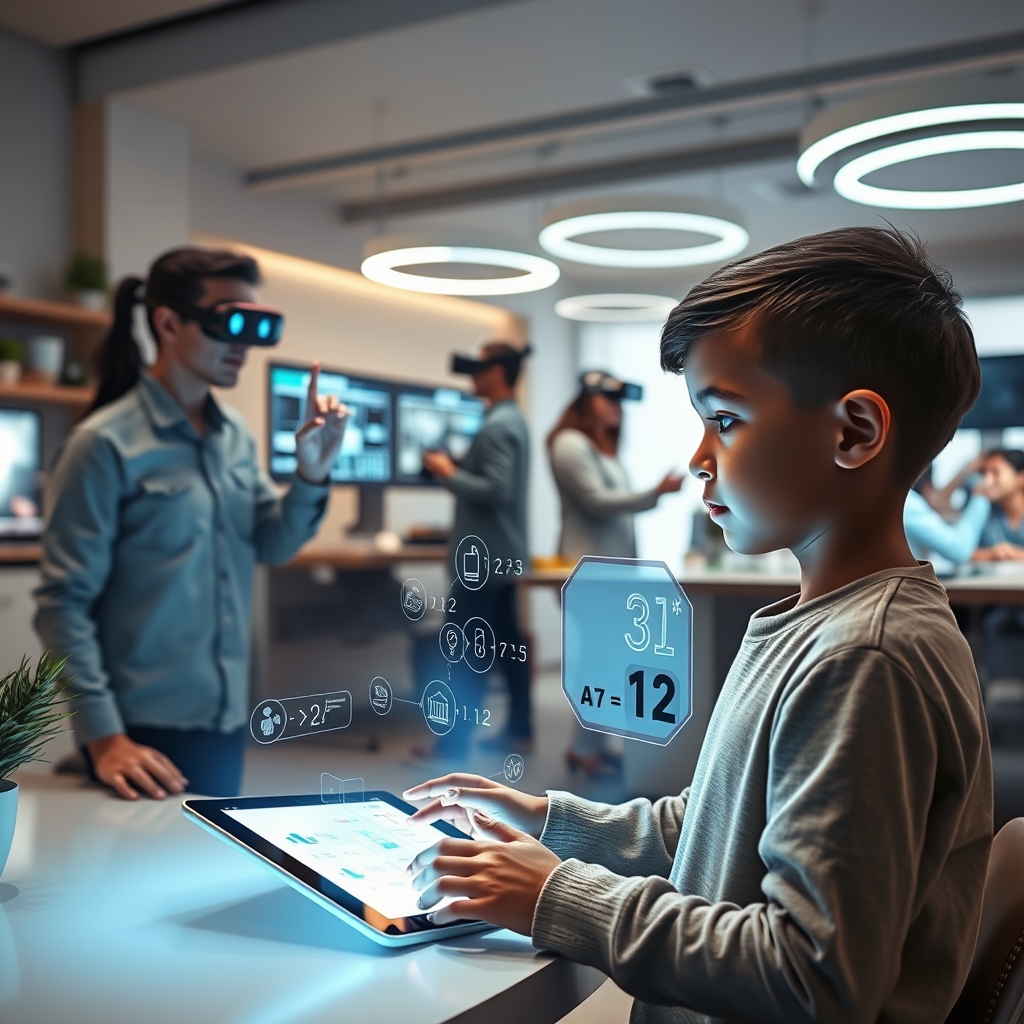
The traditional classroom, with its one-size-fits-all approach, is undergoing a quiet but profound transformation. At the heart of this shift lies a powerful synergy between artificial intelligence and the age-old concept of mentorship. Virtual tutors, powered by adaptive AI, are emerging as the invisible mentors of the digital age, crafting bespoke learning journeys that cater to the unique needs, pace, and aspirations of each learner. This evolution is not merely about technology; it’s about redefining the very essence of education—making it more personal, more accessible, and more attuned to the rhythms of modern life.
The Rise of the Invisible Mentor
Imagine a tutor who is available 24/7, never tires, and adapts its teaching style in real-time to match your learning preferences. This is no longer the stuff of science fiction. Virtual tutors, embedded within AI-powered learning platforms, are making this a reality. These digital mentors leverage machine learning algorithms to analyze a learner’s interactions, identify strengths and weaknesses, and dynamically adjust the content and pace of instruction. Whether it’s a student struggling with algebra or a professional upskilling in data science, virtual tutors provide targeted support that traditional classrooms often fail to deliver.
What sets these AI-driven tutors apart is their ability to simulate the nuances of human mentorship. They don’t just dispense information; they engage in dialogue, ask probing questions, and provide feedback that feels personal and immediate. For instance, platforms like Duolingo and Khan Academy use AI to create conversational learning experiences, where the system responds to user inputs with tailored hints, explanations, and encouragement. This level of interactivity fosters a sense of connection, even in the absence of a human instructor.
Personalization at Scale
One of the most significant challenges in education has always been scalability. How do you provide personalized attention to millions of learners, each with distinct needs and goals? AI-powered virtual tutors are solving this puzzle by democratizing access to high-quality, individualized instruction. Adaptive teaching software, such as Carnegie Learning’s MATHia or ScribeSense, uses data-driven insights to create flexible learning paths that evolve alongside the learner. These systems track progress in real-time, identifying knowledge gaps and recommending resources to bridge them. The result is a learning experience that feels tailor-made, even when delivered at scale.
This personalization extends beyond academic subjects. In corporate training, platforms like Coursera and Udacity employ AI to curate microlearning courses that align with an employee’s role, career aspirations, and skill gaps. Virtual tutors guide learners through these courses, offering just-in-time support and reinforcing concepts through gamified challenges or interactive simulations. The ability to deliver such targeted learning experiences is revolutionizing workforce development, making it more agile and responsive to the demands of a rapidly changing job market.
The Role of Immersive Tech in Enhancing Virtual Tutoring
While AI provides the intelligence behind virtual tutors, immersive technologies like virtual reality (VR) and augmented reality (AR) are adding a new dimension to the learning experience. VR classrooms, for example, allow learners to step into simulated environments where they can practice skills in a risk-free setting. A medical student can perform virtual surgeries, while an engineer can troubleshoot complex machinery—all under the watchful guidance of an AI tutor. These immersive experiences not only enhance retention but also make learning more engaging and memorable.
AR, on the other hand, overlays digital information onto the physical world, creating interactive learning experiences that blend the virtual and real. Imagine a history student pointing their smartphone at a monument and seeing a virtual tutor narrate its significance, or a biology student dissecting a virtual frog with step-by-step guidance. These technologies transform passive learning into an active, hands-on process, where the virtual tutor acts as a guide, mentor, and collaborator.
The Human Touch in a Digital World
Despite the advancements in AI and immersive tech, the question remains: can a virtual tutor truly replace a human mentor? The answer lies in understanding the complementary roles they play. While AI excels at personalization, scalability, and data-driven insights, human mentors bring empathy, creativity, and the ability to inspire. The future of learning is not about choosing one over the other but about integrating the best of both worlds. Virtual tutors can handle the heavy lifting of instruction, freeing human educators to focus on what they do best—mentoring, motivating, and fostering a love for learning.
Moreover, the rise of virtual tutors is not just about improving outcomes; it’s about redefining what learning can be. In a world where knowledge is constantly evolving, the ability to learn independently and adaptively is becoming a critical skill. Virtual tutors empower learners to take ownership of their education, providing the tools and support they need to navigate their unique paths. They are not just instructors; they are partners in a lifelong journey of discovery.
As we stand on the brink of this new era, it’s clear that the invisible mentors of today are shaping the learners of tomorrow. They are breaking down barriers, making education more inclusive, and ensuring that no one is left behind in the pursuit of knowledge. The classroom of the future may not have four walls, but it will have something far more powerful—an AI-driven companion that guides, challenges, and inspires, every step of the way. The journey has only just begun, and the possibilities are as limitless as the human mind itself.



