
The Power of Choice: How Open School Models Empower Learners Through Personalized Pathways
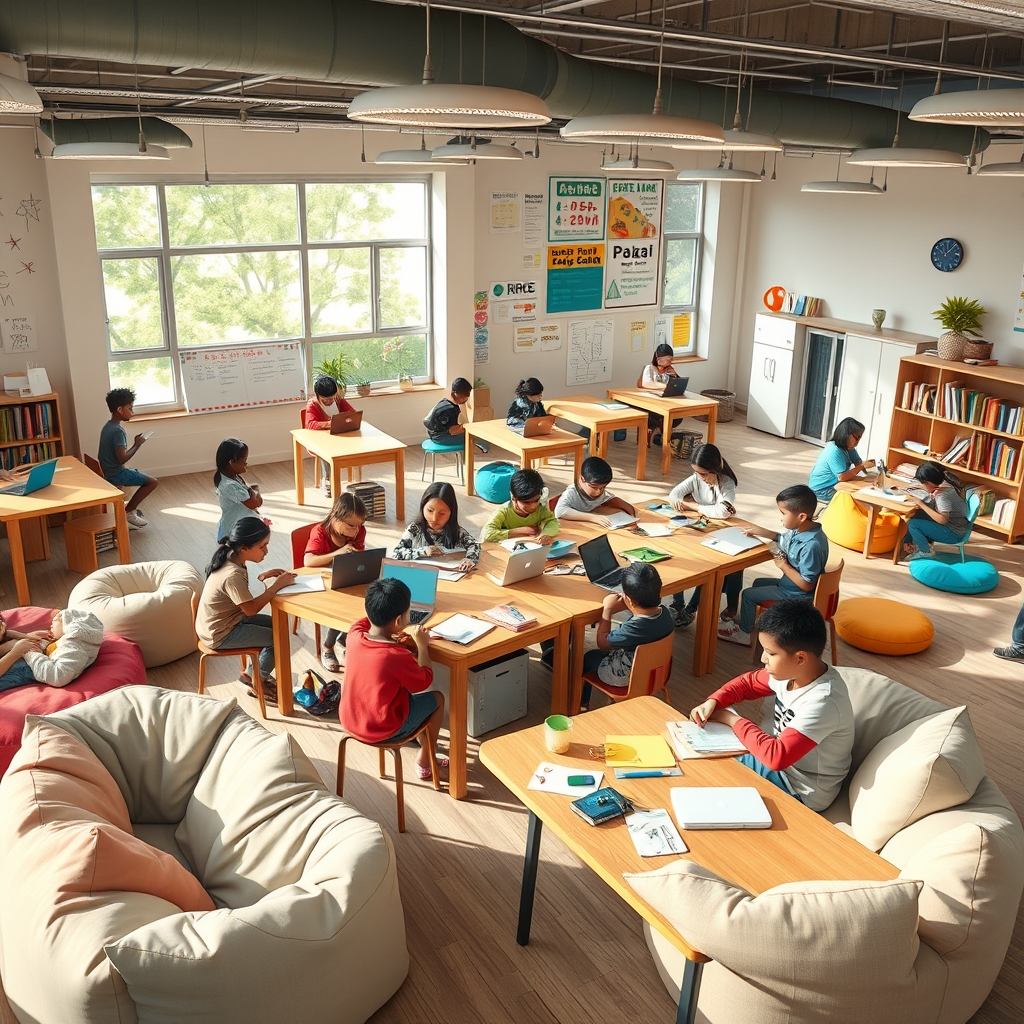
Education is no longer confined to rigid schedules, standardized tests, or one-size-fits-all lesson plans. As the world evolves, so too must the ways we approach learning. Open school models are at the forefront of this transformation, offering students the freedom to explore their interests, set their own pace, and engage with education in ways that resonate with their unique strengths and aspirations. These models prioritize flexibility, autonomy, and inclusivity, creating environments where learners thrive not because they are told what to do, but because they are empowered to discover it for themselves.
The Philosophy Behind Open Schooling
At its core, open schooling is built on the belief that education should be a dynamic, student-driven experience. Unlike traditional schooling, which often emphasizes conformity and memorization, open schools focus on student-centered learning, where the needs, interests, and goals of the learner take precedence. This philosophy is rooted in the idea that education is not just about acquiring knowledge but about fostering lifelong learning skills—curiosity, critical thinking, adaptability, and self-motivation—that extend far beyond the classroom.
Open schools reject the notion that learning must happen within the four walls of a traditional classroom. Instead, they embrace hybrid learning spaces, blending in-person instruction with digital resources, community-based projects, and real-world experiences. This approach not only makes education more accessible but also more relevant, as students connect their learning to the world around them. Whether through experiential learning projects, autonomous student research, or collaborative group work, open schools create opportunities for deep, meaningful engagement with content.
Flexibility and Personalization: The Heart of Open Schooling
One of the most compelling aspects of open schooling is its commitment to flexible curriculum and personalized study plans. In a traditional school, students are often expected to progress at the same pace, regardless of their individual needs or learning styles. Open schools, however, recognize that every learner is unique. Some students may excel in self-directed environments, while others may benefit from more structured guidance. By offering self-paced education and competency-based progression, open schools allow students to move forward when they are ready, rather than being held back or rushed by arbitrary timelines.
This flexibility extends to the content itself. Open schools frequently leverage open educational resources (OER), which provide free, adaptable materials that can be tailored to fit the needs of individual learners. Whether a student is passionate about coding, environmental science, or creative writing, they can dive deep into subjects that inspire them, rather than being confined to a predetermined syllabus. This level of personalization not only increases engagement but also helps students develop a sense of ownership over their education.
Inclusive Classroom Design: Meeting Learners Where They Are
Inclusivity is a cornerstone of open schooling. Traditional education systems often struggle to accommodate students with diverse learning needs, whether due to disabilities, language barriers, or different cultural backgrounds. Open schools, however, are designed with inclusive classroom design in mind. This means creating environments that are accessible, adaptable, and supportive of all learners, regardless of their abilities or circumstances.
For example, open schools may incorporate adaptive teaching strategies that adjust to the pace and style of each student. They may also offer multiple pathways to demonstrate mastery, such as projects, presentations, or portfolios, rather than relying solely on standardized tests. Additionally, open schools often prioritize community-based education, partnering with local organizations, mentors, and experts to provide real-world learning opportunities. This not only enriches the educational experience but also ensures that students see themselves reflected in their learning, fostering a sense of belonging and confidence.
Beyond the Traditional: Exploring Alternative Schooling Models
Open schooling is just one of many alternative schooling models that challenge the status quo of education. Other approaches, such as democratic schooling, take the concept of student autonomy even further by giving learners a direct say in how their school operates. In democratic schools, students and teachers collaborate to make decisions about everything from curriculum to school policies, fostering a sense of responsibility and civic engagement.
Similarly, non-traditional education models like unschooling or microschools prioritize individualized learning, often outside the confines of a traditional school building. These models emphasize holistic student development, focusing not just on academic achievement but on emotional, social, and creative growth as well. By breaking free from conventional structures, these approaches allow students to explore their passions, develop their strengths, and build the skills they need to navigate an ever-changing world.
The Role of Technology in Open Schooling
Technology plays a crucial role in enabling the flexibility and personalization that define open schooling. Digital platforms and tools allow students to access learning materials anytime, anywhere, making education more accessible than ever before. For example, online courses, interactive simulations, and virtual collaboration tools can support independent study programs and self-paced education, giving students the freedom to learn at their own speed.
Moreover, technology can facilitate collaborative group work, even in remote or hybrid settings. Students can connect with peers from around the world, work on projects together, and share ideas in real time. This not only enhances their learning experience but also prepares them for a future where digital literacy and collaboration are essential skills. However, it’s important to note that technology is a tool, not a replacement for human connection. Open schools strike a balance, using technology to enhance learning while ensuring that students still benefit from mentorship, guidance, and community.
As education continues to evolve, open school models offer a compelling vision for the future—one where learning is not a passive experience but an active, empowering journey. By prioritizing flexibility, inclusivity, and personalization, these models help students develop the skills, confidence, and curiosity they need to thrive in an unpredictable world. The shift toward open schooling is not just about changing how we teach; it’s about reimagining what education can be when we put learners at the center of the experience. In doing so, we create a system that values each student’s unique potential and equips them with the tools to shape their own futures.



