
The Learning Revolution: How AI and Microlearning Are Crafting the Future of Corporate Training
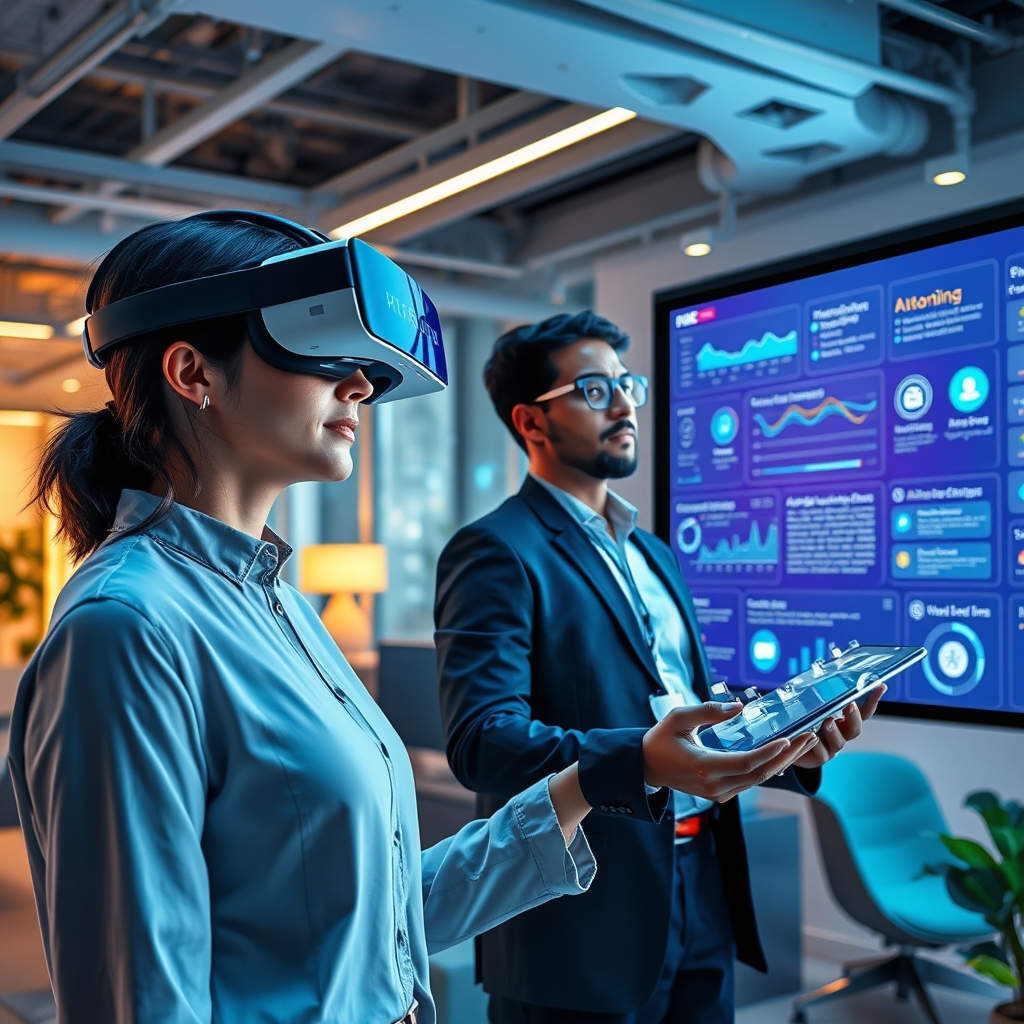
The corporate world is undergoing a seismic shift, driven by rapid technological advancements and an ever-evolving job market. Traditional training methods, once the backbone of employee development, are struggling to keep pace with the demands of modern workplaces. Enter the era of AI-powered learning and microlearning, two innovations that are redefining how organizations upskill and reskill their workforce. These tools are not just enhancing learning experiences—they are transforming corporate training into a dynamic, personalized, and efficient process.
The Rise of Microlearning in Corporate Training
Microlearning, the practice of delivering bite-sized, focused learning modules, has emerged as a game-changer in corporate training. Unlike traditional lengthy training sessions, microlearning breaks down complex topics into digestible chunks, typically lasting between 5 to 15 minutes. This approach aligns perfectly with the modern learner’s shorter attention span and busy schedule, making it easier to integrate learning into daily workflows.
For example, a sales team can quickly access a microlearning module on negotiation techniques before a client meeting, or a software developer can brush up on a new programming language through a series of short, interactive lessons. The flexibility of microlearning ensures that employees can learn at their own pace, on their own terms, without disrupting their productivity.
Why Microlearning Works
The effectiveness of microlearning lies in its ability to cater to the brain’s natural learning processes. Research shows that the human brain retains information better when it is presented in small, focused bursts. Additionally, microlearning leverages the principles of spaced repetition, where learners revisit key concepts over time to reinforce memory retention. This method is particularly effective for corporate training, where employees need to apply new skills immediately in their roles.
Moreover, microlearning modules can be easily updated to reflect the latest industry trends, ensuring that employees always have access to current and relevant information. This agility is crucial in fast-paced industries like technology, healthcare, and finance, where staying ahead of the curve is essential.
AI-Powered Learning: Personalization at Scale
While microlearning addresses the how of corporate training, AI-powered learning is revolutionizing the what and when. Artificial intelligence is enabling the creation of personalized learning systems that adapt to each employee’s unique needs, preferences, and learning styles. These systems use data analytics and machine learning algorithms to assess an individual’s strengths, weaknesses, and progress, then tailor the learning experience accordingly.
For instance, an AI-driven platform might identify that an employee struggles with data analysis but excels in communication skills. The system can then prioritize data-related modules while offering advanced communication courses to further enhance their strengths. This level of personalization ensures that employees are not wasting time on content they already know but are instead focusing on areas where they can grow the most.
The Role of Adaptive Teaching Software
Adaptive teaching software is a cornerstone of AI-powered learning. These platforms use real-time feedback to adjust the difficulty and type of content presented to the learner. If an employee consistently answers questions correctly, the software might introduce more challenging material. Conversely, if they struggle with a concept, the system can provide additional resources or simplify the content to ensure comprehension.
This adaptive approach is particularly valuable in corporate training, where employees often have varying levels of expertise. A new hire might need foundational training, while a seasoned employee could benefit from advanced modules. Adaptive software bridges this gap, creating a seamless learning experience for all.
Gamification and Interactive Learning
To further enhance engagement, many corporate training programs are incorporating gamification and interactive elements. Gamification applies game-design principles—such as points, badges, leaderboards, and challenges—to learning activities, making them more engaging and motivating. For example, employees might earn digital badges for completing microlearning modules or compete in team-based challenges to reinforce new skills.
Interactive ebooks and mobile learning apps are also gaining traction in corporate training. These tools allow employees to learn on the go, whether they’re commuting, waiting for a meeting, or taking a break. Interactive ebooks, for instance, can include quizzes, videos, and simulations that make learning more immersive and hands-on. Mobile apps, on the other hand, provide instant access to microlearning modules, enabling employees to fit learning into their busy schedules.
The Impact of Digital Badges and Micro-Credentials
As corporate training evolves, so too does the way employees showcase their skills. Digital badges and micro-credentials are becoming increasingly popular as a way to validate and recognize learning achievements. Unlike traditional certifications, which often require lengthy courses and exams, micro-credentials focus on specific skills or competencies. Employees can earn badges for completing microlearning modules, attending workshops, or demonstrating proficiency in a particular area.
These badges are not just a form of recognition—they are also a powerful tool for career development. Employees can share their digital badges on professional networks like LinkedIn, signaling to employers and peers that they possess in-demand skills. For organizations, micro-credentials provide a way to track and measure the effectiveness of training programs, ensuring that employees are gaining the skills they need to succeed.
The Future of Corporate Training: Hybrid and Flexible Learning Models
The future of corporate training lies in hybrid learning models that combine the best of online and in-person learning. These models offer the flexibility of digital learning while preserving the benefits of face-to-face interaction. For example, an organization might use AI-powered platforms for foundational training, then supplement it with in-person workshops or mentorship programs to reinforce learning.
Flexible learning paths are another key trend in corporate training. Rather than following a one-size-fits-all curriculum, employees can choose their own learning journey based on their career goals, interests, and skill gaps. This autonomy not only increases engagement but also ensures that training is relevant and meaningful to each individual.
Virtual reality (VR) and augmented reality (AR) are also making their way into corporate training, offering immersive experiences that simulate real-world scenarios. For instance, a VR training program might place employees in a virtual customer service environment, where they can practice handling difficult situations in a risk-free setting. AR, on the other hand, can overlay digital information onto the physical world, providing employees with real-time guidance and support.
The corporate training landscape is no longer confined to classrooms and lengthy PowerPoint presentations. Today, it is a dynamic, technology-driven ecosystem where AI, microlearning, and immersive tech converge to create agile, skilled, and future-ready workforces. As organizations continue to embrace these innovations, the boundaries of what’s possible in corporate training will only expand, unlocking new opportunities for growth, productivity, and success. The shift is not just about keeping up with change—it’s about leading it, one microlearning module and AI-driven insight at a time.



