
The Alchemy of Knowledge: How AI and Microlearning Are Forging the Future of Skill Mastery
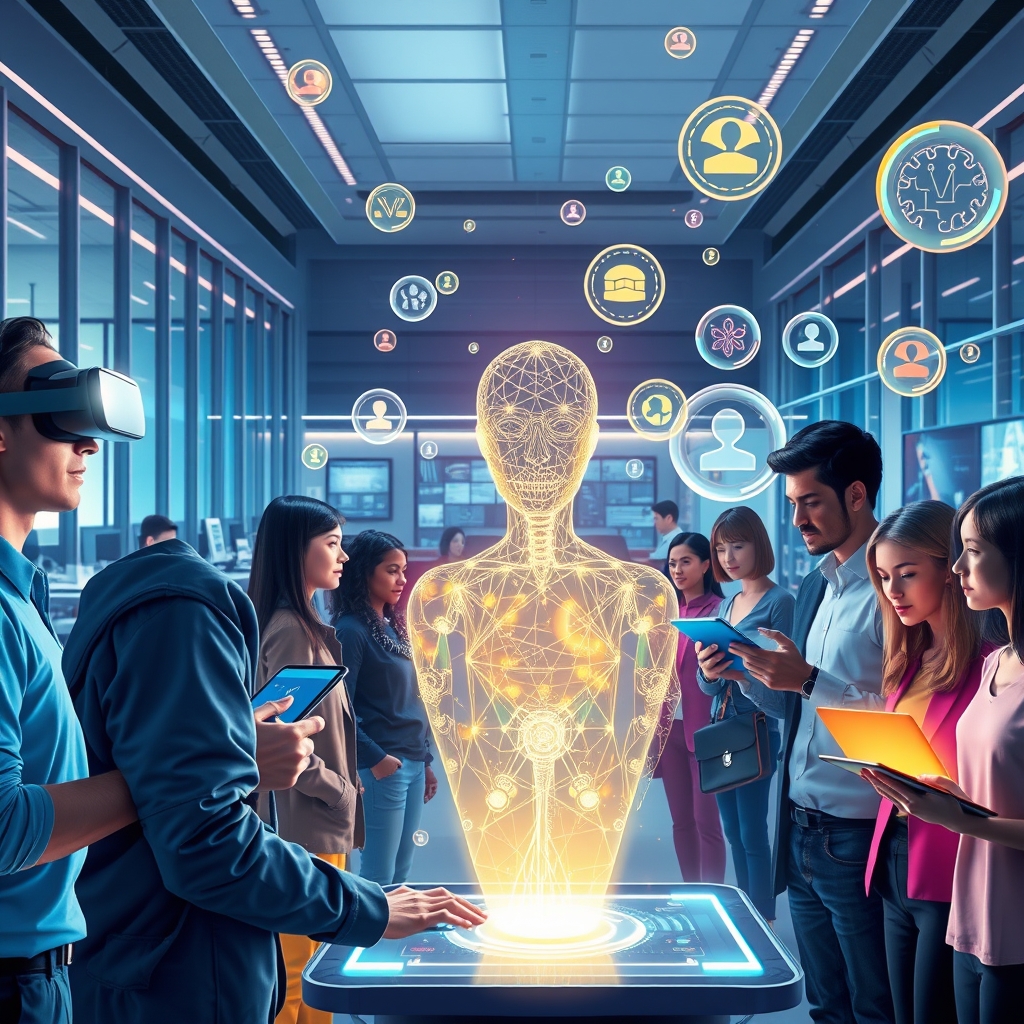
The modern learner is no longer confined to the rigid structures of traditional education. Instead, they navigate a dynamic landscape where knowledge is fluid, accessible, and tailored to their unique needs. At the heart of this transformation lies the fusion of artificial intelligence (AI) and microlearning—a combination that is redefining how skills are acquired, validated, and applied in an ever-evolving world. This alchemy of technology and pedagogy is not just changing the way we learn; it is reshaping the very essence of mastery.
The Microlearning Revolution
Microlearning, the practice of delivering bite-sized, focused content, has emerged as a cornerstone of modern education. In an era where attention spans are fragmented and time is a precious commodity, the ability to learn in short, digestible bursts is a game-changer. These micro-courses, often no longer than 10 minutes, are designed to address specific skills or concepts, allowing learners to absorb information efficiently without the cognitive overload associated with traditional, lengthy sessions.
What makes microlearning particularly powerful is its adaptability. Whether it’s a software tutorial, a language lesson, or a compliance training module, the content is structured to be immediately applicable. This approach aligns perfectly with the demands of today’s fast-paced work environments, where employees need to upskill quickly to keep up with technological advancements and industry shifts. The rise of mobile learning apps has further amplified this trend, enabling learners to access content anytime, anywhere, turning idle moments into opportunities for growth.
The Role of AI in Personalizing the Learning Journey
While microlearning provides the framework for efficient knowledge delivery, AI acts as the architect, designing personalized learning paths that adapt to the individual’s pace, preferences, and performance. Adaptive teaching software leverages machine learning algorithms to analyze a learner’s interactions, identifying strengths, weaknesses, and knowledge gaps. Based on this data, the system dynamically adjusts the content, ensuring that each learner receives the right material at the right time.
For instance, an AI-powered platform might detect that a learner struggles with a particular concept in a coding course. Instead of forcing them to repeat the entire module, the system can provide targeted exercises, supplementary resources, or even connect them with a virtual tutor for additional guidance. This level of personalization was once the domain of one-on-one mentorship, but AI has democratized it, making high-quality, tailored education accessible to millions.
Beyond personalization, AI is also enhancing the learning experience through natural language processing (NLP) and predictive analytics. Virtual tutors, powered by NLP, can engage in real-time conversations, answering questions, providing explanations, and even offering encouragement. Predictive analytics, on the other hand, can forecast a learner’s future performance, allowing educators and employers to intervene proactively, ensuring no one is left behind.
The Synergy of Micro-Credentials and Digital Badges
As the demand for continuous learning grows, so does the need for flexible, credible ways to validate skills. Enter micro-credentials and digital badges—compact, verifiable representations of specific competencies. Unlike traditional degrees, which often require years of study, micro-credentials can be earned in weeks or even days, making them ideal for professionals looking to pivot or upskill quickly.
Digital badges, in particular, have gained traction as a way to showcase achievements in a visually compelling and easily shareable format. These badges, often embedded with metadata, provide detailed information about the skills acquired, the issuer, and the criteria for earning them. For employers, this transparency is invaluable, allowing them to quickly assess a candidate’s capabilities. For learners, it’s a way to build a digital portfolio that reflects their evolving expertise, making them more competitive in the job market.
AI plays a crucial role in this ecosystem by recommending relevant micro-credentials based on a learner’s goals and past performance. It can also automate the issuance and verification of digital badges, streamlining the process for both learners and employers. This synergy between AI and micro-credentials is creating a more agile, responsive system of skill validation—one that keeps pace with the rapid changes in technology and industry demands.
The Future: A Blend of Human and Machine Intelligence
The integration of AI and microlearning is not about replacing human educators but augmenting their capabilities. Teachers, trainers, and mentors bring empathy, creativity, and contextual understanding—qualities that machines cannot replicate. However, by offloading repetitive tasks like grading, content delivery, and performance tracking to AI, educators can focus on what they do best: inspiring, guiding, and fostering critical thinking.
Hybrid learning models, which combine online and in-person instruction, are a testament to this balance. In these environments, AI handles the personalized, data-driven aspects of learning, while human instructors provide the emotional and social support that is essential for deep, meaningful education. Virtual reality (VR) and augmented reality (AR) are also playing a role, creating immersive experiences that bridge the gap between theory and practice. Imagine a medical student practicing surgery in a VR simulation or an engineer troubleshooting a machine using AR overlays—these technologies are turning abstract concepts into tangible, hands-on experiences.
Corporate Training in the Digital Age
The corporate world is one of the biggest beneficiaries of this shift. Traditional training programs, often criticized for being time-consuming and ineffective, are being replaced by AI-driven, microlearning-based solutions. Companies are leveraging mobile learning apps and microlearning courses to deliver just-in-time training, ensuring employees have the skills they need when they need them. This approach not only improves retention but also reduces downtime, as employees can learn on the job without stepping away from their work.
Moreover, AI-powered analytics are enabling organizations to measure the impact of training programs more accurately. By tracking metrics like engagement, completion rates, and skill application, companies can refine their training strategies, ensuring they align with business goals. This data-driven approach is transforming corporate training from a checkbox exercise into a strategic tool for growth.
The alchemy of AI and microlearning is not just a fleeting trend—it is the foundation of a new era in education and skill development. As these technologies continue to evolve, they will unlock unprecedented opportunities for learners of all ages, backgrounds, and aspirations. The future of learning is not about passive consumption of information but active, personalized, and lifelong engagement with knowledge. In this landscape, the only limit to what one can achieve is the willingness to embrace change and the curiosity to keep learning.



