
Designing the Future: How Open School Models Foster Autonomy, Inclusion, and Lifelong Curiosity
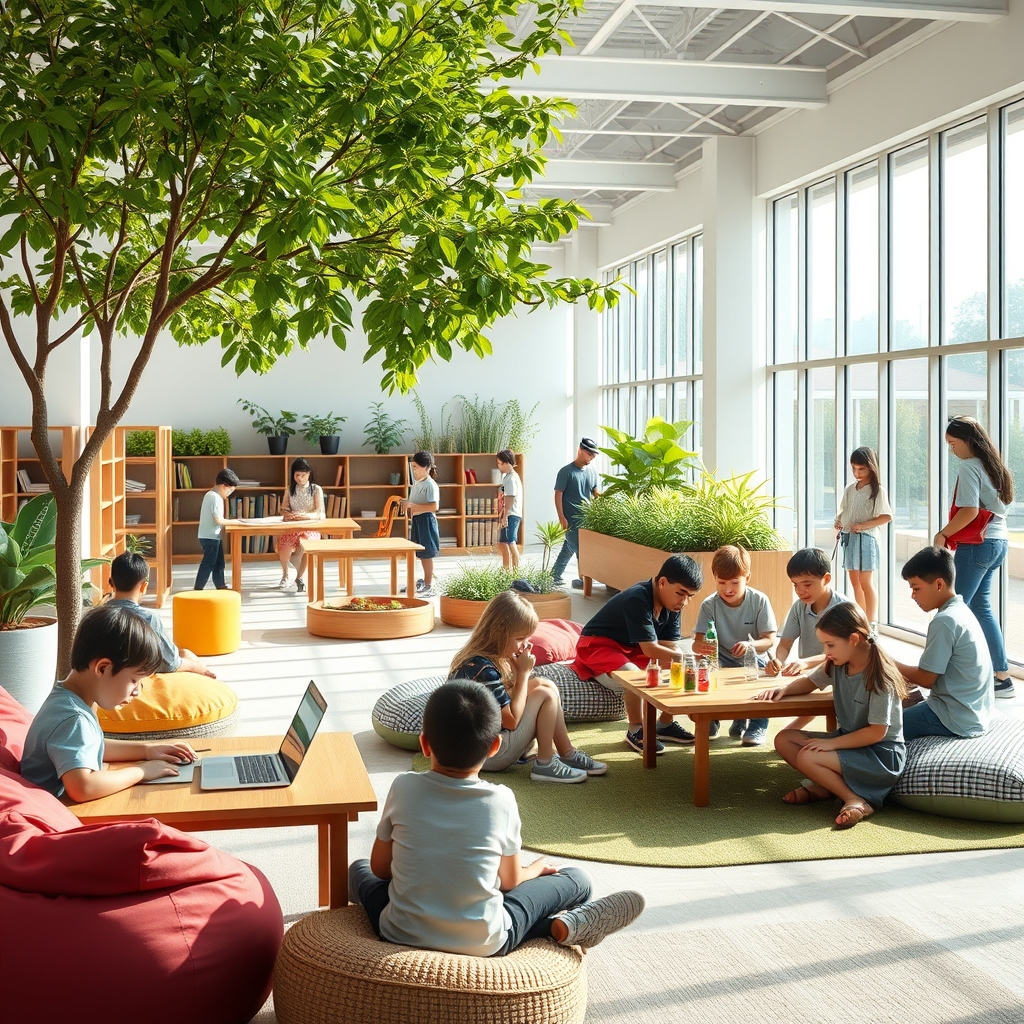
The traditional classroom, with its rigid schedules, standardized tests, and one-size-fits-all curriculum, is increasingly at odds with the diverse needs and aspirations of today’s learners. As education evolves to meet the demands of a rapidly changing world, open school models are emerging as a powerful alternative—one that prioritizes autonomy, flexibility, and the unique potential of every student. These models are not just reimagining where learning happens; they are transforming how it unfolds, who drives it, and what it means to be educated in the 21st century.
The Philosophy Behind Open Schooling
At its core, the open school definition revolves around a fundamental shift: from teacher-directed instruction to student-centered learning. Unlike conventional schools, where the curriculum is fixed and pacing is uniform, open schools embrace a philosophy that learning is a personal journey. This approach recognizes that students thrive when they have agency over their education—when they can explore topics that ignite their curiosity, set their own goals, and progress at a pace that suits their individual strengths and challenges.
Open schools often draw inspiration from democratic schooling and alternative schooling models, where students are active participants in shaping their educational experience. Whether through independent study programs, self-paced education, or collaborative group work, these models dismantle the hierarchical structures of traditional education, replacing them with environments that foster trust, creativity, and mutual respect. The result is a learning ecosystem where students are not just passive recipients of knowledge but co-creators of their own growth.
Flexibility as the Foundation of Learning
One of the most transformative aspects of open schools is their commitment to a flexible curriculum. Unlike rigid frameworks that dictate what students must learn and when, open schools offer personalized study plans tailored to each learner’s interests, abilities, and life circumstances. This flexibility is particularly impactful for students who may struggle in conventional settings—whether due to learning differences, personal challenges, or simply a mismatch between their needs and the traditional system’s expectations.
Competency-based progression is a hallmark of this flexibility. Instead of advancing students based on age or time spent in a classroom, open schools allow them to move forward when they demonstrate mastery of a subject. This approach not only reduces the pressure of arbitrary deadlines but also ensures that learning is meaningful and retained. Similarly, hybrid learning spaces blend online and in-person instruction, giving students the freedom to engage with material in ways that work best for them—whether through digital platforms, hands-on projects, or real-world experiences.
The Role of Experiential and Community-Based Learning
Open schools understand that education extends far beyond textbooks and classrooms. Experiential learning projects and community-based education are integral to their approach, bridging the gap between theory and practice. Students might design a local sustainability initiative, intern with a professional in their field of interest, or conduct autonomous student research on a topic they’re passionate about. These experiences not only deepen understanding but also cultivate lifelong learning skills such as critical thinking, problem-solving, and adaptability.
For example, a student interested in environmental science might spend a semester working with a local conservation group, applying classroom concepts to real-world challenges. Another might explore entrepreneurship by launching a small business, learning about economics, marketing, and resilience through hands-on experience. By embedding learning in authentic contexts, open schools make education relevant, engaging, and deeply personal.
Inclusive by Design: Creating Spaces for Every Learner
Inclusivity is not an afterthought in open schools—it is a guiding principle. Inclusive classroom design ensures that students of all abilities, backgrounds, and learning styles can thrive. This might involve flexible seating arrangements, sensory-friendly spaces, or adaptive technologies that support diverse needs. More importantly, open schools prioritize emotional and social well-being, recognizing that a student’s ability to learn is deeply connected to their sense of belonging and safety.
Adaptive teaching strategies play a key role in this inclusivity. Educators in open schools are trained to meet students where they are, adjusting their methods to accommodate different learning preferences. Whether through visual aids, kinesthetic activities, or one-on-one mentoring, these strategies ensure that no student is left behind. Additionally, open schools often leverage open educational resources (OER), which provide free, accessible materials that can be customized to suit individual needs—further democratizing education.
Collaboration and Holistic Development
While autonomy is a cornerstone of open schooling, collaboration is equally valued. Collaborative group work encourages students to learn from one another, develop communication skills, and build empathy. Projects that require teamwork—such as organizing a community event or solving a complex problem—mirror the collaborative nature of the modern workplace, preparing students for future success.
Open schools also emphasize holistic student development, nurturing not just academic growth but also emotional, social, and ethical maturity. Programs might include mindfulness practices, conflict resolution workshops, or discussions on social justice, helping students develop into well-rounded individuals who are equipped to navigate an increasingly complex world. This holistic approach ensures that education is not just about acquiring knowledge but about becoming a thoughtful, engaged, and responsible member of society.
As the world continues to change at an unprecedented pace, the need for educational models that are adaptable, inclusive, and student-driven has never been greater. Open schools offer a compelling vision of what learning can be—one that honors the uniqueness of each learner, fosters a love of discovery, and prepares students not just for exams, but for life. By embracing flexibility, experiential learning, and a deep commitment to inclusivity, these models are not just redefining education; they are helping to shape a future where every individual has the opportunity to thrive, contribute, and grow.



