
The Silent Revolution: How Virtual Tutors and Adaptive Software Are Crafting the Future of Personalized Learning
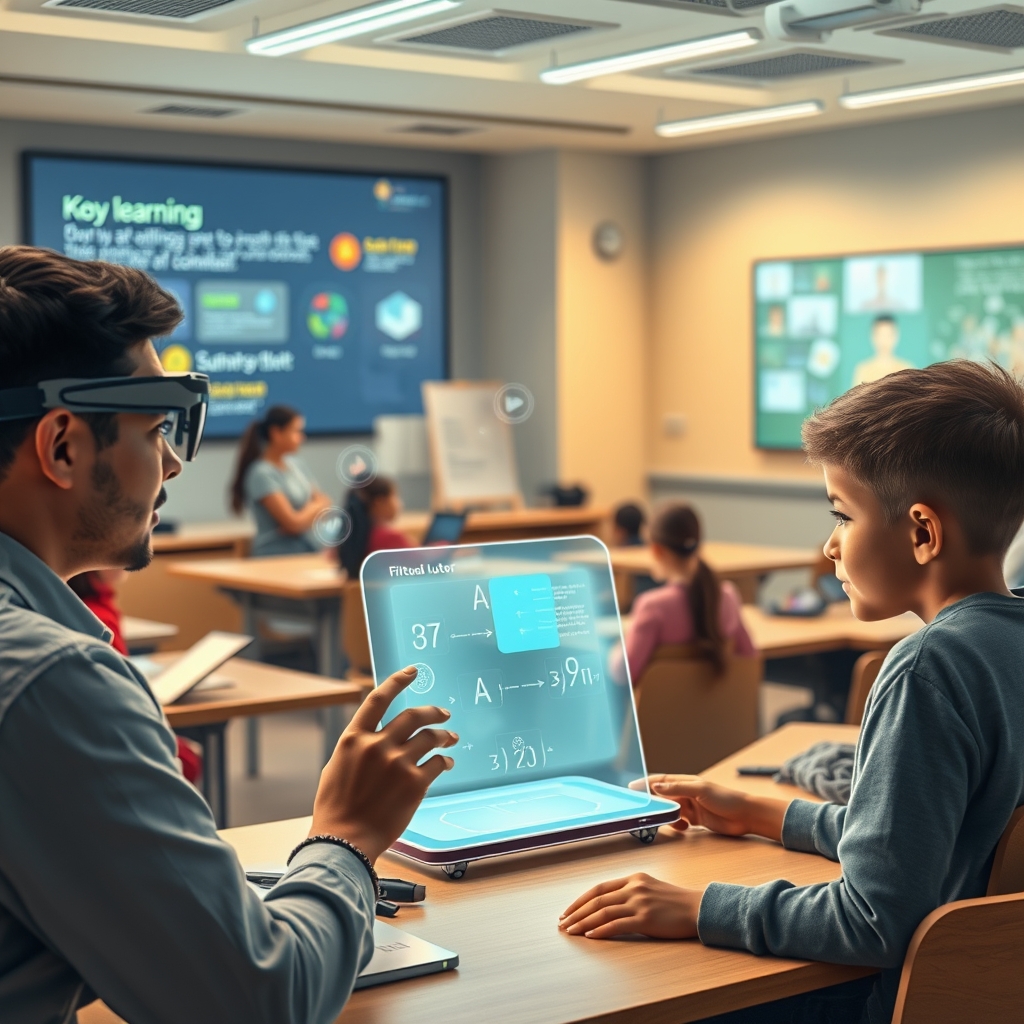
The traditional classroom, with its one-size-fits-all approach, has long been the cornerstone of education. Yet, as technology evolves, so too does our understanding of how people learn. The emergence of AI-powered learning and adaptive teaching software is quietly dismantling the old paradigms, replacing them with systems that respond to the unique needs of each learner. This silent revolution is not just about technology—it’s about reimagining education as a dynamic, personalized journey rather than a rigid, standardized process.
The Rise of the Virtual Tutor
Imagine a tutor who is available 24/7, never tires, and adapts to your learning style in real time. This is no longer the stuff of science fiction. Virtual tutors, powered by artificial intelligence, are becoming an integral part of modern education. These digital mentors analyze a student’s performance, identify strengths and weaknesses, and tailor instruction to address individual gaps. Unlike human tutors, they can scale effortlessly, providing high-quality, personalized support to thousands of learners simultaneously.
Platforms like Duolingo, Khan Academy, and ScribeSense leverage AI to create interactive, engaging learning experiences. For instance, if a student struggles with algebraic equations, the system doesn’t just repeat the same lesson—it adjusts the difficulty, offers alternative explanations, and even introduces gamified challenges to reinforce understanding. This level of customization was unimaginable just a decade ago, yet today, it’s becoming the norm in both academic and corporate training online environments.
Adaptive Software: The Engine of Personalization
At the heart of this transformation lies adaptive teaching software, which uses machine learning algorithms to continuously refine its approach based on user interaction. These systems don’t just follow a pre-set curriculum; they evolve alongside the learner. For example, if a student excels in visual learning but struggles with auditory instruction, the software will prioritize diagrams, videos, and interactive simulations over lectures or text-heavy content.
Companies like DreamBox and Smart Sparrow are pioneering this space, offering platforms that adjust in real time to a learner’s progress. In corporate settings, adaptive software is being used to upskill employees, ensuring that training programs are not only efficient but also deeply relevant to each individual’s role. The result? Higher engagement, better retention, and a workforce that is continuously evolving to meet the demands of an ever-changing job market.
The Role of Gamification and Microlearning
Personalization doesn’t stop at adaptive software. The integration of gamification in learning and microlearning courses is further enhancing the educational experience. Gamification—incorporating game-like elements such as points, badges, and leaderboards—taps into the human desire for achievement and competition, making learning more engaging and motivating. Meanwhile, microlearning breaks down complex topics into bite-sized, easily digestible modules, allowing learners to absorb information at their own pace without feeling overwhelmed.
These approaches are particularly effective in lifelong learning programs, where adults juggle education with work and family commitments. By offering short, focused lessons that can be completed during a commute or lunch break, microlearning makes continuous education accessible and sustainable. When combined with gamification, it transforms learning from a chore into an enjoyable, rewarding experience.
Blending the Old with the New: Hybrid Learning Models
While technology is driving significant change, it’s not about replacing traditional education entirely. Instead, the future lies in hybrid learning models that blend the best of both worlds. These models combine face-to-face instruction with digital tools, creating a flexible, blended learning solution that caters to diverse learning preferences. For example, a student might attend a physical classroom for hands-on activities while using an AI-powered app for additional practice and reinforcement at home.
This hybrid approach is especially valuable in higher education, where online degree programs are becoming increasingly popular. Universities like Southern New Hampshire University and Arizona State University have embraced hybrid models, offering students the flexibility to learn at their own pace while still benefiting from the structure and community of a traditional campus. The result is a more inclusive, accessible education system that meets learners where they are.
The Future of Credentials: Beyond Traditional Degrees
As education becomes more personalized, so too does the way we recognize and validate learning. Traditional degrees, while still valuable, are no longer the only path to career success. Micro-credentials and digital badges are emerging as powerful tools for showcasing specific skills and competencies. These credentials are often earned through short, focused courses and can be stacked to demonstrate expertise in a particular field.
For employers, micro-credentials offer a more granular view of a candidate’s abilities, allowing them to identify individuals with the exact skills needed for a role. For learners, they provide a flexible, affordable way to upskill or reskill without committing to a full degree program. Platforms like Coursera, edX, and LinkedIn Learning are leading the charge, offering a wide range of micro-credentials that are recognized by industry leaders worldwide.
Interactive Ebooks and the Evolution of Digital Content
The way we consume educational content is also undergoing a transformation. Interactive ebooks are replacing static textbooks, offering multimedia elements such as videos, quizzes, and simulations that bring learning to life. These digital resources are not only more engaging but also more accessible, as they can be updated in real time to reflect the latest information and trends.
Publishers like Pearson and McGraw-Hill are investing heavily in interactive ebooks, recognizing their potential to enhance comprehension and retention. For students, this means no more flipping through pages of dense text—just dynamic, interactive content that adapts to their learning style. For educators, it means the ability to track progress and provide targeted feedback, further personalizing the learning experience.
The shift toward personalized learning is not just a trend—it’s a fundamental reimagining of how education works. By leveraging AI, adaptive software, gamification, and hybrid models, we are moving away from a system that treats all learners the same and toward one that celebrates individuality. This revolution is not about replacing teachers or traditional classrooms but about empowering learners with the tools they need to succeed on their own terms. As technology continues to advance, the possibilities for personalized education are limitless, and the impact on individuals, workplaces, and societies will be profound. The future of learning is here, and it’s more dynamic, inclusive, and empowering than ever before.



