
Reimagining Education: The Rise of Open Schools and Student-Centered Learning
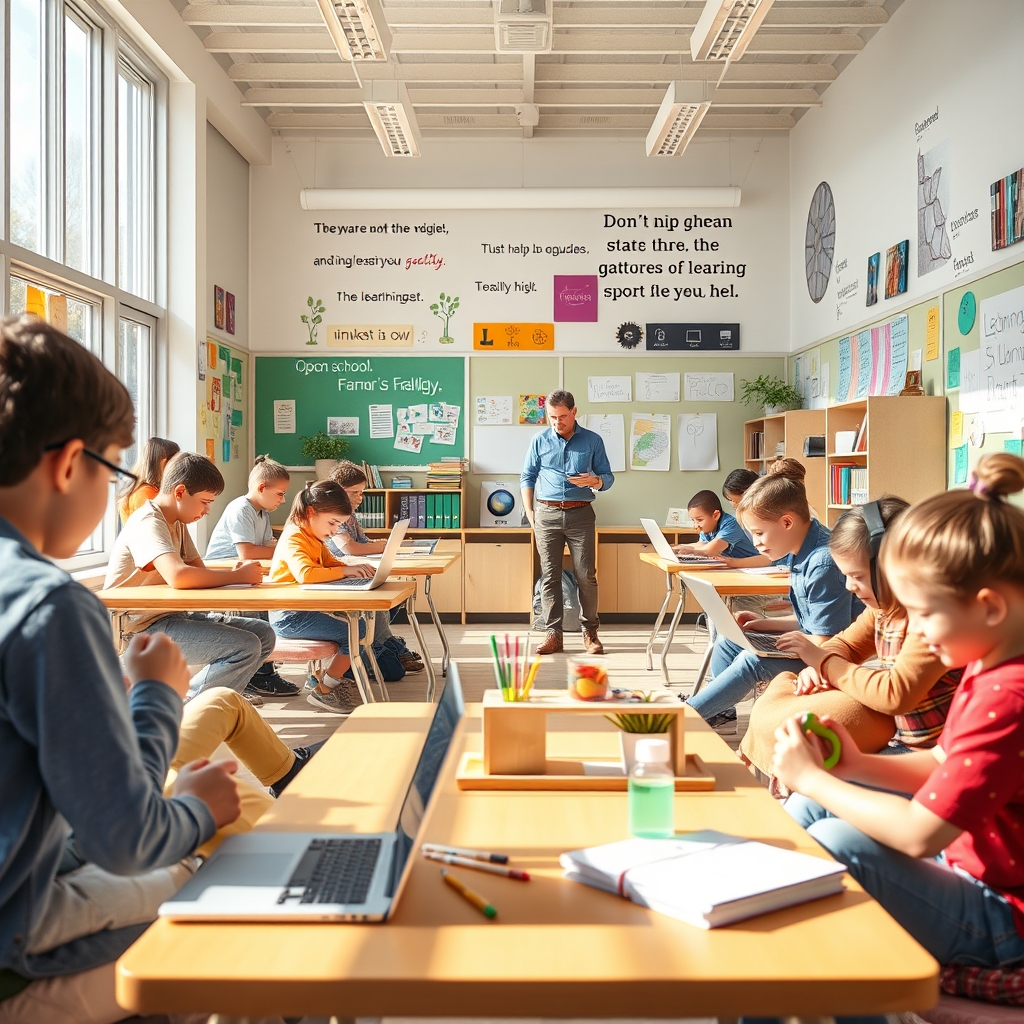
Education is no longer confined to the rigid structures of traditional classrooms. As society evolves, so too does the way we approach learning. Open schools and student-centered learning models are at the forefront of this transformation, offering flexible, inclusive, and dynamic alternatives to conventional education. These approaches prioritize the individual needs of students, fostering autonomy, creativity, and a lifelong love of learning.
The Open School Definition: Breaking Down Barriers
At its core, the open school definition revolves around freedom—freedom in how, when, and what students learn. Unlike traditional schools, which often follow a one-size-fits-all curriculum, open schools emphasize flexible curriculum designs that adapt to the unique interests and pace of each learner. This model dismantles the rigid boundaries of age-based grade levels, standardized testing, and fixed schedules, instead creating an environment where students can explore subjects deeply and at their own rhythm.
Open schools often incorporate independent study programs, allowing students to pursue passions that may not fit within a conventional academic framework. Whether it’s delving into advanced mathematics, mastering a musical instrument, or conducting autonomous student research on environmental sustainability, learners are encouraged to take ownership of their education. This autonomy not only enhances engagement but also cultivates critical thinking and problem-solving skills that extend far beyond the classroom.
Self-Paced Education: Learning on Your Own Terms
One of the most compelling aspects of open schooling is self-paced education. In traditional settings, students are often forced to keep up with the pace of the class, regardless of their comprehension or interest in the material. This can lead to frustration, disengagement, and gaps in understanding. Self-paced learning flips this dynamic by allowing students to progress through material at a speed that suits their individual needs.
This approach is particularly beneficial for students who may struggle with certain subjects or those who excel and require more challenging material. Competency-based progression ensures that learners master foundational concepts before moving on, rather than advancing simply because the calendar dictates it. Platforms offering open educational resources (OER) further support this model by providing free, high-quality materials that students can access anytime, anywhere. The result is a more personalized and effective learning experience.
Hybrid Learning Spaces: Blending the Best of Both Worlds
While open schools champion flexibility, they also recognize the value of structure and community. Hybrid learning spaces combine the best elements of traditional and non-traditional education, creating environments that are both adaptable and supportive. These spaces may include physical classrooms for collaborative work, outdoor areas for experiential learning projects, and digital platforms for independent study.
For example, a student might spend part of their day working on a personalized study plan online, then join a group project in a collaborative group work session, and later participate in a community-based workshop. This blend of learning modalities ensures that students develop a well-rounded skill set, from academic knowledge to social and emotional intelligence. It also prepares them for the realities of a world where remote work, digital collaboration, and lifelong learning are increasingly the norm.
Inclusive Classroom Design: Education for All
Inclusivity is a cornerstone of open schooling. Inclusive classroom design goes beyond physical accessibility to encompass diverse learning styles, abilities, and backgrounds. Open schools strive to create environments where every student feels seen, heard, and valued, regardless of their challenges or strengths. This might involve adaptive teaching strategies, such as multi-sensory instruction, assistive technologies, or flexible seating arrangements, to accommodate different needs.
Moreover, open schools often embrace democratic schooling, where students have a voice in shaping their educational experience. This could mean participating in school governance, co-creating curriculum, or choosing how to demonstrate their learning. By giving students agency, open schools foster a sense of responsibility and empowerment that traditional models often overlook. The focus shifts from compliance to engagement, from memorization to understanding, and from uniformity to individuality.
Holistic Student Development: Beyond Academics
Education is not just about acquiring knowledge; it’s about nurturing the whole person. Open schools prioritize holistic student development, recognizing that emotional, social, and physical well-being are just as important as academic achievement. This approach might include mindfulness practices, physical education, arts integration, or community-based education initiatives that connect students with real-world issues and local organizations.
For instance, a student interested in social justice might design an experiential learning project that involves volunteering at a local nonprofit, conducting interviews with community leaders, and presenting their findings to their peers. Such experiences not only deepen their understanding of the subject but also build empathy, leadership, and communication skills. By integrating academics with real-life applications, open schools prepare students to thrive in an ever-changing world.
The Future of Learning: Lifelong Skills for a Dynamic World
As the world becomes more interconnected and complex, the skills needed to succeed are evolving. Open schools are uniquely positioned to equip students with the lifelong learning skills required for the future. These include adaptability, creativity, collaboration, and critical thinking—qualities that cannot be measured by standardized tests but are essential for navigating the challenges of the 21st century.
By embracing non-traditional education models, we can move away from the industrial-era approach to schooling and toward a system that values curiosity, innovation, and individuality. Open schools are not just an alternative; they are a glimpse into the future of education, where learning is a dynamic, lifelong journey rather than a fixed destination. In this vision, every student has the opportunity to discover their passions, develop their potential, and contribute meaningfully to the world around them.
The shift toward open schooling is more than a trend—it’s a necessary evolution in how we think about education. By centering students in their own learning journeys, we empower them to become active participants in their growth, rather than passive recipients of information. This approach doesn’t just prepare them for the future; it helps them shape it, one personalized, flexible, and inclusive step at a time.



