
The Art of Adaptability: How Hybrid Study Models and Self-Paced Modules Are Crafting the Future of Lifelong Learning
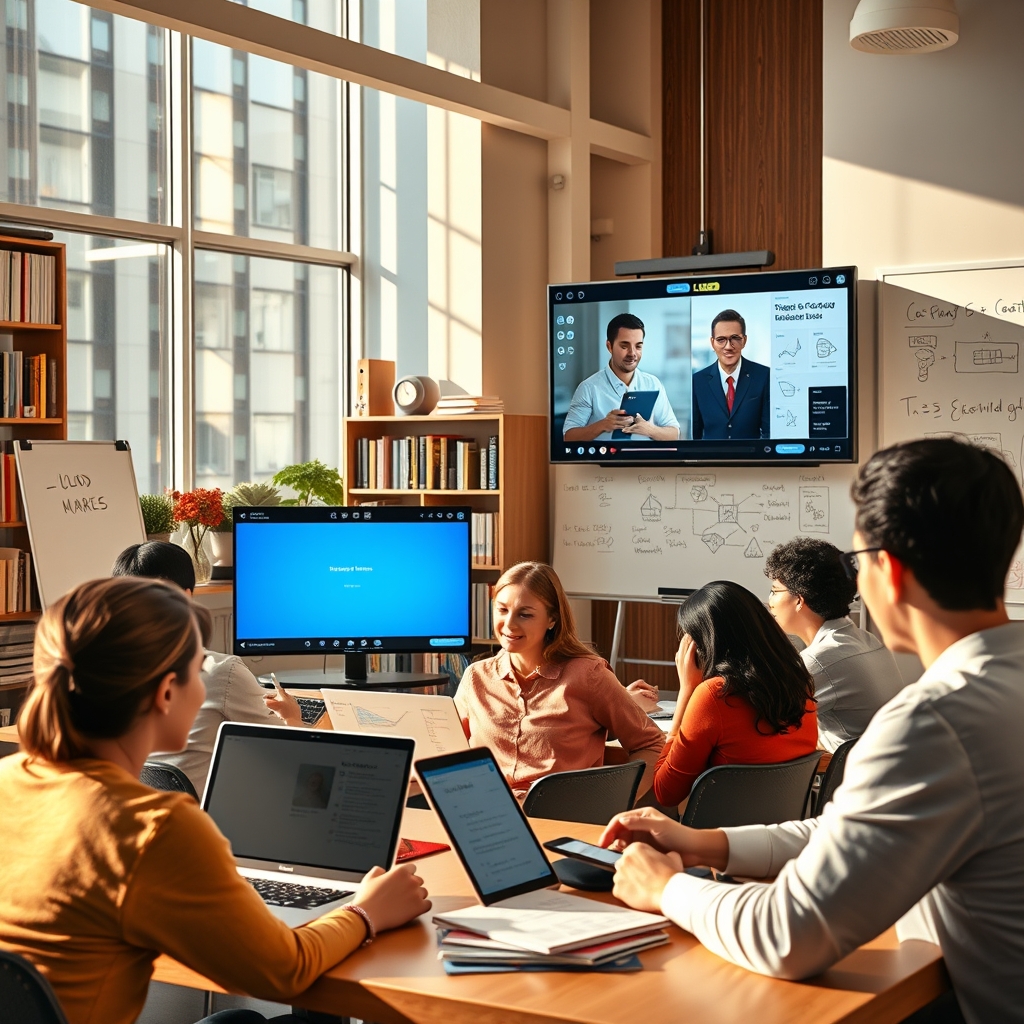
The landscape of education has undergone a seismic shift in the past decade, driven by the relentless march of technology and the evolving needs of learners worldwide. No longer confined to the rigid structures of traditional classrooms, education has sprawled into the digital realm, offering unprecedented flexibility and accessibility. At the heart of this transformation lie hybrid study models and self-paced modules, two pillars that are redefining what it means to learn in the 21st century. These approaches are not merely alternatives to conventional education; they are the architects of a new era where learning is as dynamic and adaptable as the lives of those who pursue it.
The Rise of Hybrid Study Models: Blending the Best of Both Worlds
Hybrid study models, often referred to as blended learning, represent a fusion of in-person and online education. This approach leverages the strengths of both traditional and digital learning environments, creating a synergy that enhances the educational experience. For instance, students might attend physical classes for hands-on labs or discussions while completing lectures and assignments online through remote learning platforms. This model is particularly effective in fields that require both theoretical knowledge and practical application, such as healthcare, engineering, and the arts.
One of the most compelling advantages of hybrid study models is their ability to cater to diverse learning styles. Visual learners can benefit from interactive video lectures, while kinesthetic learners can engage in hands-on activities during in-person sessions. Moreover, hybrid models offer a level of flexibility that traditional education cannot match. Students can balance their studies with work, family commitments, or other responsibilities, making education more accessible to non-traditional learners, such as working professionals or parents.
The Role of Educational Technology Tools in Hybrid Learning
The success of hybrid study models hinges on the integration of advanced educational technology tools. Platforms like Learning Management Systems (LMS) serve as the backbone of hybrid learning, providing a centralized hub for course materials, assignments, and communication. Tools such as Zoom, Microsoft Teams, and Google Classroom facilitate synchronous online classes, enabling real-time interaction between instructors and students. Meanwhile, asynchronous classrooms allow learners to access materials at their convenience, fostering a self-directed approach to education.
Interactive video lectures, another cornerstone of hybrid learning, bring a dynamic element to online education. These lectures often include quizzes, discussion prompts, and branching scenarios that engage students actively rather than passively. Additionally, digital learning environments equipped with AI-driven analytics can provide personalized feedback, helping students identify areas for improvement and track their progress over time. This level of customization is a game-changer, particularly for learners who thrive in self-paced modules.
Self-Paced Modules: Empowering Learners to Take Control
Self-paced modules represent the epitome of flexibility in modern education. Unlike traditional or even hybrid models, self-paced learning allows students to progress through course material at their own speed, free from the constraints of fixed schedules or deadlines. This approach is particularly well-suited to adult learners, who often juggle multiple responsibilities and require the ability to pause and resume their studies as needed.
At the core of self-paced learning is the concept of autonomy. Learners are empowered to take ownership of their education, setting their own goals and timelines. This autonomy fosters a sense of responsibility and self-discipline, skills that are invaluable in both academic and professional settings. Furthermore, self-paced modules often incorporate a variety of multimedia resources, such as interactive video lectures, podcasts, and e-books, catering to different learning preferences and enhancing engagement.
The Impact of Asynchronous Classrooms on Student Success
Asynchronous classrooms are a natural fit for self-paced learning, as they allow students to engage with course material on their own terms. This model is particularly effective in distributed learning networks, where students may be spread across different time zones or have varying schedules. Asynchronous learning eliminates the need for real-time interaction, making education more inclusive and accessible to a global audience.
One of the key benefits of asynchronous classrooms is the opportunity for deeper reflection and engagement. Without the pressure of immediate responses, students can take the time to digest complex concepts, conduct research, and craft thoughtful contributions to discussions. This reflective approach often leads to richer learning outcomes and a more profound understanding of the subject matter. Additionally, asynchronous classrooms can foster a sense of community through discussion forums, peer reviews, and collaborative projects, ensuring that students remain connected even in a virtual setting.
The Future of Education: A Harmonious Blend of Flexibility and Engagement
As we look to the future, it is clear that hybrid study models and self-paced modules will continue to play a pivotal role in shaping the educational landscape. These approaches are not merely trends but fundamental shifts in how we perceive and deliver education. By embracing flexibility, technology, and learner autonomy, we can create a system that is inclusive, adaptive, and responsive to the needs of a diverse student population.
The integration of hybrid and self-paced learning models also opens the door to innovative educational pathways. For example, cyber charter schools and virtual high schools are already leveraging these models to provide high-quality education to students who may not thrive in traditional settings. Similarly, online degree courses and flexible degree paths are making higher education more accessible to those who might otherwise be excluded due to geographical, financial, or personal constraints. As educational technology tools continue to evolve, the possibilities for personalized and engaging learning experiences will only expand, further blurring the lines between traditional and digital education.
The journey of education is no longer a linear path but a dynamic and ever-evolving adventure. Whether through the structured flexibility of hybrid models or the boundless autonomy of self-paced learning, the future of education is being written by those who dare to adapt, innovate, and reimagine what it means to learn. In this new era, the classroom is not a place but a mindset—one that embraces change, celebrates diversity, and empowers every learner to reach their full potential.



