
The Digital Campus: How Educational Technology Tools Are Transforming Remote Learning Platforms
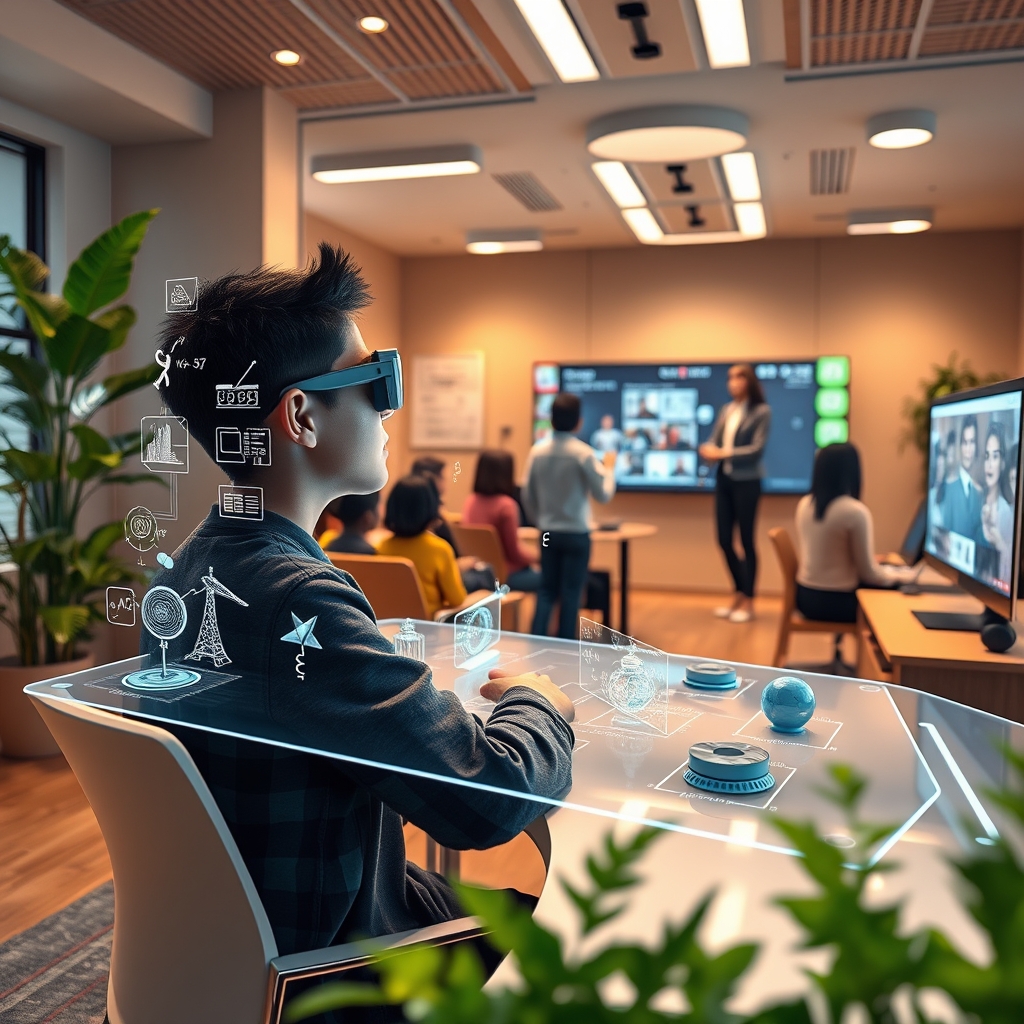
The landscape of education has undergone a seismic shift in the past decade, driven by rapid advancements in technology and an increasing demand for flexibility. At the heart of this transformation lies a suite of educational technology tools that are redefining how students engage with learning, breaking down geographical barriers, and creating opportunities for learners of all ages and backgrounds. From virtual high schools to online degree courses, these tools are not just supplementing traditional education—they are becoming the foundation of a new digital campus.
The Rise of the Digital Learning Environment
A digital learning environment is more than just a collection of software and hardware; it is a dynamic ecosystem where students, educators, and resources converge in a seamless, interactive space. Platforms like Moodle, Canvas, and Blackboard have become the backbone of remote learning platforms, offering features such as discussion forums, assignment submissions, and real-time feedback. These systems are designed to mimic the structure of a physical classroom while leveraging the advantages of digital connectivity. For instance, asynchronous classrooms allow students to access lectures, readings, and assignments at their convenience, making education accessible to those with busy schedules or unconventional time zones.
However, the digital learning environment is not without its challenges. One of the most significant hurdles is ensuring equitable access to technology. While urban and suburban students may have high-speed internet and personal devices, rural or underserved communities often struggle with connectivity issues. Addressing this digital divide is critical to ensuring that the benefits of web-based instruction are available to all, not just a privileged few. Initiatives like community Wi-Fi hotspots, subsidized devices, and partnerships with local libraries are steps in the right direction, but more systemic solutions are needed to bridge this gap.
The Power of Self-Paced and Hybrid Study Models
One of the most compelling advantages of modern distance education programs is the ability to tailor learning experiences to individual needs. Self-paced modules empower students to progress through material at their own speed, whether they are fast learners looking to accelerate their education or individuals who need extra time to grasp complex concepts. This flexibility is particularly valuable for adult learners, working professionals, or students with disabilities, who may require a more adaptable approach to education.
At the same time, hybrid study models are gaining traction as a way to combine the best of both worlds: the structure and social interaction of traditional classrooms with the flexibility of online learning. In a hybrid model, students might attend in-person classes for hands-on activities, labs, or group projects while completing lectures and assignments online. This approach not only enhances engagement but also prepares students for a workforce that increasingly values both digital literacy and collaborative skills. Schools and universities adopting hybrid models report higher retention rates and improved student satisfaction, suggesting that this blend of learning modalities is here to stay.
Interactive Video Lectures and Virtual Student Engagement
Gone are the days when online learning meant passively watching pre-recorded lectures. Today, interactive video lectures are transforming the way students absorb information. Tools like Zoom, Microsoft Teams, and specialized platforms such as Kaltura enable educators to create engaging, multimedia-rich content that includes quizzes, polls, and breakout rooms. These features foster virtual student engagement, making online learning a more active and participatory experience. For example, a history professor might use a live poll to gauge students’ opinions on a historical event before diving into a discussion, or a science instructor could incorporate a virtual lab simulation to reinforce theoretical concepts.
Moreover, synchronous online classes—where students and instructors interact in real-time—add a layer of accountability and community to the learning process. These sessions can be particularly effective for subjects that require immediate feedback, such as language learning or mathematics. However, they also present challenges, such as scheduling conflicts and time zone differences. To mitigate these issues, many institutions record synchronous sessions and make them available for later viewing, ensuring that no student is left behind.
The Role of Artificial Intelligence and Adaptive Learning
Artificial intelligence (AI) is poised to revolutionize educational technology tools by personalizing learning experiences like never before. Adaptive learning platforms, such as DreamBox and Khan Academy, use AI algorithms to analyze students’ performance and tailor content to their individual needs. For instance, if a student struggles with a particular math concept, the system can provide additional practice problems or alternative explanations until mastery is achieved. This level of customization is difficult to achieve in a traditional classroom setting, where teachers must divide their attention among dozens of students.
AI is also enhancing administrative efficiency in distance education programs. Chatbots, for example, can handle routine inquiries about course registration, deadlines, or technical issues, freeing up educators to focus on more complex tasks. Meanwhile, predictive analytics can identify students at risk of falling behind, allowing institutions to intervene early with targeted support. These tools are not just improving the learning experience—they are also helping to reduce dropout rates and improve overall outcomes.
Cloud-Based Classrooms and Distributed Learning Networks
The shift to cloud-based classrooms has been one of the most transformative developments in modern education. By storing data and resources in the cloud, institutions can provide students with anytime, anywhere access to their coursework, eliminating the need for physical textbooks or on-campus visits. This model is particularly beneficial for cyber charter schools and virtual high schools, which operate entirely online and serve students across vast geographic areas.
Distributed learning networks take this concept a step further by connecting students and educators across institutions, regions, or even countries. These networks enable collaborative projects, shared resources, and cross-cultural exchanges, enriching the learning experience and preparing students for a globalized world. For example, a student in the United States might collaborate on a research project with peers in Europe and Asia, gaining insights and perspectives that would be impossible to replicate in a traditional classroom.
As educational technology tools continue to evolve, the possibilities for remote learning are expanding at an unprecedented pace. From AI-driven adaptive learning to immersive virtual reality experiences, the future of education is limited only by our imagination. Yet, amid this technological revolution, it is essential to remember that the ultimate goal of education remains unchanged: to empower individuals with the knowledge, skills, and confidence to thrive in an ever-changing world. The digital campus is not just a collection of tools and platforms—it is a gateway to opportunity, a space where learners can connect, grow, and redefine what is possible. Whether through a self-paced module, an interactive video lecture, or a synchronous online class, the journey of education is now more accessible, flexible, and dynamic than ever before.



